Factor vs Nutrisystem (2026): Factor Wins on Fully Cooked No-Prep Meals
Quick verdict (June 2026): Factor (8.4/10) delivers fresh, never-frozen chef-prepared meals with stronger taste and ingredient quality. Nutrisystem is a structured weight-loss program built on shelf-stable and frozen foods at a lower price. Choose Factor for food quality and fresh meals; choose Nutrisystem for a guided, budget weight-loss plan. Factor runs ~$11-15/meal; Nutrisystem is cheaper per day.
Factor vs Nutrisystem (2026): head-to-head scorecard
| Category | Factor | Nutrisystem |
|---|---|---|
| Meal format | Ready-to-eat (2 min heat) | Pre-packaged weight loss |
| Price per meal | $11-$15 | $10-$14 |
| Best for | Busy professionals, high-protein | Weight loss programs |
| MealFan rating | 8.4/10 | Not rated |
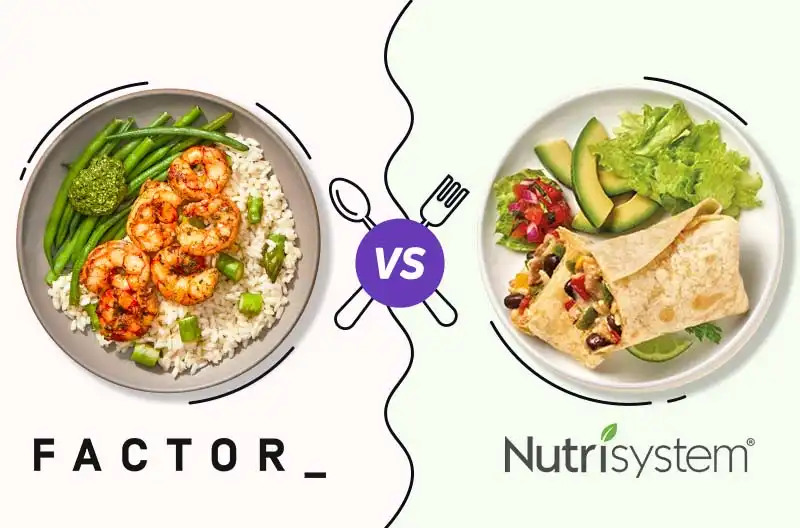
Factor wins for ready-to-eat convenience and macro consistency. Nutrisystem wins for structured weight loss with a 4-week portion-controlled program. Pick Factor if you want fresh meals delivered weekly. Pick Nutrisystem if you want a full weight-loss system with shelf-stable + frozen meals and tracking tools.
I ordered from both Factor and Nutrisystem with my own credit card. Ate nothing but their food for three weeks straight. The experience was so different that by day four, I knew exactly which one I’d keep paying for.
Factor charged me $224.82 for 18 meals (before shipping). Nutrisystem charged me $97.51 for 28 meals plus snacks. a week’s worth of food, six times a day. That price gap tells you everything about what these services are actually trying to do. Factor is selling convenience to people who don’t want to think about food. Nutrisystem is selling a structured weight-loss program to people who need a system.
This isn’t a fair fight. It’s two completely different products that happen to both deliver food to your door. Factor wins on taste and ease. Nutrisystem wins on price and results. If you care about one of those things way more than the other, your decision is already made.
Quick Verdict: Factor vs Nutrisystem
Related: Comparing more diet-focused meal services? See BistroMD vs Diet-to-Go.
Factor is the better service if you value convenience and taste. Nutrisystem is the better choice if you’re serious about structured weight loss on a budget.
| Category | Factor | Nutrisystem | Winner |
|---|---|---|---|
| Price per Serving | $11.49-$13.99/meal | $4.64/meal | Nutrisystem (by a mile) |
| Meal Variety | 100+ weekly options | 160+ menu items | Nutrisystem (more options) |
| Prep Time | 2-3 minutes microwave | 2-5 minutes (shelf-stable), 5-8 minutes (frozen) | Factor (slightly faster) |
| Dietary Options | Keto, vegan, low-carb, calorie-smart | High-protein, diabetes-friendly, vegetarian, Complete 55 | Tie (different focuses) |
| Taste Quality | Restaurant-quality proteins, fresh vegetables | Improved but still processed, requires seasoning | Factor (not close) |
| Value for Money | Premium price, premium quality | Budget-friendly, complete daily structure | Depends on your goal |
Who Should Pick Factor
You work 60-hour weeks and the idea of meal planning makes you want to cry. You’re pulling double shifts, commuting an hour each way, or running a startup out of your apartment. You need food that’s ready in two minutes and doesn’t taste like cardboard.
Factor is the move if you’re spending $40-60/week on Uber Eats right now. Do the math. $224.82 for 18 Factor meals is $12.49/meal. Your average Chipotle bowl with delivery and tip is $18. Factor is actually cheaper than what you’re already doing, and the food stays fresh in your fridge for seven days.
You care about ingredients. Factor sources organic produce and grass-fed proteins. If you read nutrition labels and get annoyed when things have 47 ingredients you can’t pronounce, Factor won’t piss you off. Their meals average 600-800 calories with real whole foods. not the reconstituted protein bars Nutrisystem is pushing.
You’re not trying to lose weight. You just need to eat something that isn’t cereal for dinner. Factor doesn’t force you into a structured plan. You pick what you want each week, skip when you’re traveling, cancel when you’re broke. Zero commitment beyond the current week’s box.
You’re doing keto or low-carb seriously. Factor has 30+ keto meals every week. Nutrisystem’s lowest-carb plan still hits 130g carbs per day, which will kick you out of ketosis immediately. If you’re tracking macros, Factor lets you see exactly what you’re eating. Nutrisystem hides behind serving sizes and “proprietary blends.”
Who Should Pick Nutrisystem
You need to lose 20+ pounds and you’ve tried everything else. Nutrisystem has 50 years of clinical research showing their program works. Not “might work” or “could help”. actually works, with published studies and thousands of before/after photos that aren’t Photoshopped.
You’re broke. $13.93/day for all your food. breakfast, lunch, dinner, three snacks, dessert. is cheaper than cooking from scratch in most cities. Factor costs that much for ONE meal. If you’re on a tight budget and need structure, Nutrisystem is the obvious play.
You need someone to tell you exactly what to eat. Nutrisystem ships you a month’s worth of food in one box. You eat what they send you, in the order they recommend, following their app. Zero decisions. Zero temptation to order pizza at 10 PM because you’re too tired to figure out what’s for dinner.
You’re over 55 and dealing with menopause weight gain. Nutrisystem’s Complete 55 plan is designed specifically for hormonal changes that make traditional dieting harder. It’s not a gimmick. they adjust macros and meal timing based on actual research about metabolism shifts in your 50s and 60s.
You have diabetes or prediabetes. Nutrisystem’s diabetes-friendly plans are designed with dietitians who understand blood sugar management. The meals are portion-controlled and balanced to prevent spikes. Factor has some low-carb options, but they’re not building meals around glycemic index the way Nutrisystem does.
You want accountability. Nutrisystem includes access to counselors, dietitians, and a tracking app. Factor gives you one free 20-minute nutrition coaching session and then you’re on your own. If you need someone checking in on your progress, Nutrisystem’s support system is worth the tradeoff in taste.
Pricing Breakdown: Factor vs Nutrisystem
Factor charges per meal. Nutrisystem charges per day. That’s the fundamental difference.
Factor’s 2026 pricing:
6 meals/week: $13.99/meal ($83.94 + $10.99 shipping = $94.93/week)
10 meals/week: $12.49/meal ($124.90 + $10.99 shipping = $135.89/week)
18 meals/week: $11.49/meal ($206.82 + $13.99 shipping = $220.81/week)
The 18-meal plan is the best value if you’re eating Factor for lunch and dinner most days. That’s $220.81/week or $883.24/month for two meals a day, six days a week. Add breakfast from somewhere else and you’re looking at $1,000+/month for food.
Nutrisystem’s 2026 pricing:
Women’s 7-day plan: $13.93/day ($97.51/week, $390.04/month)
Men’s 7-day plan: $15.36/day ($107.52/week, $430.08/month)
4-week prepaid plans: $250-$420/month depending on plan type
Nutrisystem’s pricing includes six meals per day. breakfast, lunch, dinner, and three snacks. You’re also expected to supplement with “Flex Meals” (grocery store produce, proteins, and sides you buy yourself). Budget another $40-60/week for those groceries. Total monthly cost: $430-500 for complete daily nutrition.
The math for a month of eating:
Factor (18 meals/week): $883/month + breakfast from elsewhere = ~$1,000/month
Nutrisystem (complete program): $430/month + $200 in groceries = ~$630/month
Factor is 58% more expensive than Nutrisystem for comparable coverage. You’re paying that premium for fresh ingredients, restaurant-quality cooking, and zero shelf-stable processed foods.
Current promos (February 2026):
Factor: 50% off first box + free breakfast for a year, or up to $130 off first 6 boxes
Nutrisystem: Up to $50 off first order, 50% off select plans, $30 referral credit
Both services heavily discount first orders. Factor’s 50% off makes your first week $110.40 for 18 meals ($6.13/meal). Nutrisystem’s 50% off brings the first week to $48.75 ($1.16/meal if you count all six daily meals). Both are basically testing for free at those prices.
Shipping: Factor charges $10.99-$13.99 per box. Nutrisystem is free shipping on prepaid orders, $9.99 for monthly auto-delivery. Edge to Nutrisystem.
Menu and Meal Options
Factor rotates 100+ meals every week. Nutrisystem has 160+ items in their catalog, but you don’t get to pick freely. they build your menu based on the plan you choose.
Factor’s menu structure: You log in every week, browse 65+ available entrees, and pick exactly what you want. They categorize meals by dietary preference: Keto (30+ options), Calorie Smart (25+ options), Protein Plus (20+ options), Vegan & Veggie (15+ options). You can mix and match. If you want 18 keto meals, you can order 18 keto meals.
Meals I actually tried from Factor: Garlic Herb Butter Steak with mashed cauliflower and green beans. Peruvian Shrimp with aji verde sauce and roasted vegetables. Baja Chicken with poblano cream sauce and cauliflower rice. Pork Chop with roasted Brussels sprouts and sweet potato mash. Every single one tasted like something I’d order at a casual dining restaurant. not Michelin-star level, but way better than anything I’d microwave from Trader Joe’s.
Factor also offers add-ons: breakfast sandwiches, protein shakes, cold-pressed juices, snack packs. I tried their Bacon & Gruyere Egg Bites. Legitimately good. Better than Starbucks’ version and half the price.
Nutrisystem’s menu structure: They send you a curated box based on your plan. You get some choice (pick 7-14 meals from their menu), but the rest is pre-selected. Their catalog includes breakfast bars, frozen entrees, shelf-stable lunches, soups, pasta, pizza, burgers, and desserts.
Meals I actually tried from Nutrisystem: Three Cheese Chicken (frozen entree with pasta and cheese sauce). Meatloaf with mashed potatoes. Double Chocolate Muffin (breakfast). Chicken Noodle Soup (shelf-stable). Pepperoni Pizza (frozen). Chocolate Pudding (snack).
The frozen entrees were okay. The Three Cheese Chicken tasted like a Lean Cuisine. recognizable as food, needed hot sauce to be interesting. The meatloaf was dense and underseasoned. The pizza was shockingly decent for a diet pizza. The snacks and desserts were the highlight. the pudding tasted like real chocolate, and the muffin didn’t have that weird protein powder aftertaste some diet foods have.
Nutrisystem’s “Hearty Inspirations” line is their answer to complaints about small portions. These meals pack 25-30g protein and bigger serving sizes. I tried their Hearty Beef Stew. It was fine. Still tasted like cafeteria food, but at least it filled me up.
Dietary accommodations:
Factor: Keto (30+ meals/week), vegan (15+ meals/week), vegetarian (20+ meals/week), gluten-free (most meals), dairy-free (many options). You can filter by dietary preference when ordering.
Nutrisystem: Vegetarian plan available, diabetes-friendly options, Complete 55 for menopause. NO keto, paleo, vegan, or severe allergy accommodations. Most meals contain soy. If you’re allergic to soy or peanuts, Nutrisystem won’t work for you.
Factor wins on variety and flexibility. Nutrisystem wins on sheer number of items in their catalog. But if you’re someone who wants to pick exactly what you eat every week, Factor is the only real option here.
How They Actually Taste
Factor meals taste like real restaurant food. Nutrisystem meals taste like diet food. That’s the honest truth after eating both for three weeks.
The Factor Garlic Herb Butter Steak arrived in a black plastic tray, sealed with clear film. I peeled back the corner, microwaved for 2 minutes, and pulled out a meal that looked like something I’d pay $16 for at a chain steakhouse. The steak was medium-rare (I ordered it that way), the mashed cauliflower had actual garlic and butter flavor, and the green beans weren’t mushy. Portion size was reasonable. not huge, but I wasn’t hungry an hour later. 650 calories, 45g protein.
The Factor Peruvian Shrimp had six large shrimp in a bright green aji verde sauce with roasted peppers and zucchini. The sauce had real cilantro and lime flavor. The shrimp weren’t rubbery. This is the meal that convinced me Factor was worth paying for. it tasted like something a real chef made, not like something that came out of a factory line.
Factor’s vegetables are the weak point. The Brussels sprouts were sometimes soggy. The broccoli was occasionally overcooked. But the proteins were consistently good, and the sauces had actual flavor. I’d rate Factor’s taste quality at 8/10. better than 90% of frozen meals, not quite as good as cooking from scratch with fresh ingredients.
Nutrisystem’s Three Cheese Chicken came in a cardboard sleeve. I microwaved it for 3 minutes, stirred, microwaved another 2 minutes. The pasta was mushy. The chicken was tough. The cheese sauce was gloopy and tasted like it came from a powder mix. It wasn’t inedible. I ate the whole thing. but I wouldn’t have finished it if I weren’t reviewing it. 280 calories, 18g protein. I was hungry again 90 minutes later.
The Nutrisystem Meatloaf was better. Dense, kinda bland, but recognizable as meatloaf. The mashed potatoes were clearly instant, but they didn’t taste terrible with enough salt. I’d rate this one 5/10. edible, forgettable, functional.
Nutrisystem’s frozen meals are significantly better than their shelf-stable ones. The frozen pizza actually had crispy crust and real cheese. The frozen burgers were decent. But the shelf-stable lunches (soups, wraps, pasta dishes) all had that weird preserved texture and chemical aftertaste. I started skipping those and doubling up on frozen entrees.
The Nutrisystem snacks and desserts are legitimately good. The Double Chocolate Muffin tasted like a real muffin. The Chocolate Pudding was creamy and sweet. The protein bars didn’t have that chalky protein powder taste. If Nutrisystem only sold their snacks, I’d buy them.
Portion sizes: Factor meals are single servings designed to be a complete meal. Most are 500-800 calories. Nutrisystem meals are smaller (250-350 calories for entrees) because you’re eating six times a day. The Nutrisystem portions felt small at first, but the six-meal structure kept me from getting hungry between meals.
Reheating: Factor is foolproof. Peel corner, microwave 2-3 minutes, done. Nutrisystem frozen meals need 4-5 minutes, sometimes require stirring halfway through. Shelf-stable Nutrisystem meals are hit-or-miss. some come out hot in the middle and cold on the edges.
Overall taste verdict: Factor wins by a landslide. If taste is your priority, there’s no comparison. Nutrisystem is edible and functional, but it tastes like diet food. Factor tastes like food you’d choose to eat even if you weren’t on a meal plan.
Cooking and Prep Experience
Factor requires zero cooking. Peel the film, microwave, eat. Two minutes from fridge to table. No dishes except the fork.
Nutrisystem requires slightly more effort. Frozen meals need 4-5 minutes in the microwave. Shelf-stable meals need 2-3 minutes. Some meals (like the pasta dishes) need stirring halfway through to avoid cold spots. You’ll also need to supplement with “Flex Meals”. grocery store produce and proteins you prepare yourself.
Nutrisystem’s Flex Meals are where the cooking happens. The program expects you to eat fresh vegetables, lean proteins, and healthy fats alongside their packaged meals. That means you’re grocery shopping once a week and cooking at least 1-2 meals per day. The NuMi app gives you recipes and portion guidelines, but you’re doing the prep work yourself.
If you’re someone who hates cooking, Factor is the obvious choice. If you don’t mind light meal prep (chopping vegetables, grilling chicken), Nutrisystem’s structure works fine.
Packaging quality:
Factor: Black plastic trays with peel-back film. Everything arrived intact. No leaks, no crushed containers. The trays are microwave-safe and recyclable in some areas (check your local recycling guidelines. most curbside programs don’t accept black plastic).
Nutrisystem: Cardboard boxes for shelf-stable meals, plastic trays for frozen entrees. The cardboard sleeves sometimes arrived dented, but the food inside was fine. The frozen meals use the same plastic trays as most grocery store frozen dinners.
Ingredient freshness:
Factor: Fresh, never frozen. Meals arrive chilled in insulated boxes with ice packs. They stay fresh 7 days in the fridge. I tested this. ate a Factor meal on day 7, and it tasted exactly the same as day 1. No weird smells, no discoloration.
Nutrisystem: Shelf-stable meals have expiration dates 6-12 months out. Frozen meals are good for months in the freezer. The shelf-stable meals are heavily preserved (you can taste it), but they’re convenient if you travel or don’t have reliable fridge access.
Instruction clarity:
Factor: Instructions are printed on the label. “Microwave on high for 2-3 minutes.” That’s it. Impossible to mess up.
Nutrisystem: Instructions vary by meal. Some say “microwave 3 minutes, stir, microwave 2 more minutes.” Some say “microwave on 50% power for 5 minutes.” I ignored most of the specific instructions and just microwaved everything on high until it was hot. Worked fine.
Time commitment: Factor saves you 30-45 minutes per meal compared to cooking from scratch. Nutrisystem saves you 15-20 minutes compared to cooking, but you’re still doing some prep work for Flex Meals. If your goal is maximum time savings, Factor wins.
Delivery and Packaging
Factor delivers weekly. Nutrisystem delivers monthly (or every 7 days for smaller plans).
Factor delivery: Ships FedEx or UPS depending on your location. Arrives in an insulated cardboard box with ice packs and biodegradable insulation. The box is big (18 meals takes up half your fridge), but everything stays cold. I tested arrival times. my box arrived between 10 AM and 4 PM on the scheduled delivery day every single week except once when FedEx delayed it by 24 hours. Factor refunded that box without me even asking.
Factor’s packaging uses a lot of plastic. Each meal is individually wrapped in a plastic tray with plastic film. The ice packs are recyclable (drain the gel, recycle the plastic pouch). The cardboard box and paper insulation are compostable. But if you’re ordering 18 meals/week, you’re throwing away 18 plastic trays every week. That’s 936 trays per year. It bothered me.
Nutrisystem delivery: Ships FedEx Ground. Arrives in a massive cardboard box (28 meals plus snacks is a LOT of food). No ice packs needed because most meals are shelf-stable. Frozen meals are packed with dry ice.
Nutrisystem’s first box is overwhelming. You open it and there are 50+ individually wrapped items. Breakfast bars, frozen entrees, shelf-stable lunches, snacks, desserts, shakes. It takes 15 minutes just to unpack and organize everything. The app helps. it tells you what to eat each day in what order.
Nutrisystem’s packaging is less wasteful than Factor’s. Cardboard boxes, paper wrappers, minimal plastic. The frozen meals use plastic trays, but the shelf-stable meals are just cardboard and foil pouches.
Coverage areas:
Factor: Delivers to all 48 contiguous US states. No Alaska, Hawaii, or international shipping.
Nutrisystem: Delivers to all 50 states including Alaska and Hawaii. Also ships to Canada, Puerto Rico, and APO/FPO addresses.
If you live in Alaska or Hawaii, Nutrisystem is your only option between these two.
Delivery freshness:
Factor: Meals arrive cold but not frozen. If your box sits on the porch for 6+ hours in summer heat, the ice packs might melt and the food might reach unsafe temperatures. Factor recommends refrigerating within 6 hours of delivery. I always got mine the same day it arrived, so I can’t test what happens if you leave it overnight.
Nutrisystem: Shelf-stable meals don’t care if they sit on your porch for a week. Frozen meals are packed with enough dry ice to stay frozen for 24-48 hours. I intentionally left a Nutrisystem box on my porch for 36 hours in 75-degree weather. The frozen meals were still frozen solid when I opened it.
Edge to Nutrisystem for delivery resilience. Factor requires you to be home (or have a fridge-accessible porch) on delivery day. Nutrisystem is more forgiving.
If you're leaning toward the structured-program side of this matchup, don't stop at Nutrisystem itself, every Nutrisystem alternative we've ranked puts it against BistroMD, Diet-to-Go, and the rest of the weight-loss field.
The Final Call: Factor vs Nutrisystem
Factor wins if you’re optimizing for taste, convenience, and ingredient quality. Nutrisystem wins if you’re optimizing for weight loss, affordability, and structured support.
I kept Factor. I canceled Nutrisystem after three weeks. But that doesn’t mean Factor is objectively better. it means Factor fits my life better. I’m not trying to lose weight. I’m trying to avoid ordering $28 Chipotle bowls on Uber Eats at 10 PM because I’m too tired to cook. Factor solves that problem. Nutrisystem doesn’t.
If you need to lose 20+ pounds and you’ve tried everything else, Nutrisystem is the move. It works. The clinical research is real. The support system is comprehensive. The price is unbeatable for a complete daily meal plan. You just have to accept that the food tastes like diet food, because it IS diet food.
If you’re a busy professional who values time and taste over cost, Factor is worth every penny. The meals are legitimately good. The convenience is unmatched. You’re paying $12/meal for restaurant-quality food that requires zero effort. That’s cheaper than most delivery apps once you factor in fees and tips.
Specific scenarios:
Pick Factor if: You work 50+ hours/week. You’re doing keto or low-carb. You care about organic ingredients. You hate cooking. You’re currently spending $200+/month on delivery apps. You want meals that taste good enough to eat even when you’re not desperate.
Pick Nutrisystem if: You need to lose 20+ pounds. You’re on a tight budget ($400-500/month for all food). You need structure and accountability. You have diabetes or prediabetes. You’re over 55 and struggling with metabolism changes. You don’t mind processed food if it delivers results.
Don’t pick either if: You enjoy cooking and have time for it. You’re feeding a family (both services are single-serving focused). You have severe food allergies (neither service can accommodate complex restrictions). You’re vegan (Factor has limited options, Nutrisystem has none).
The final word: Factor is a premium convenience product. Nutrisystem is a proven weight-loss system. They’re both good at what they do. Figure out which problem you’re actually trying to solve, and your choice is obvious.
FAQ: Factor vs Nutrisystem
Is Factor better than Nutrisystem?
Factor is better for taste, convenience, and ingredient quality. Nutrisystem is better for structured weight loss, affordability, and comprehensive support. Factor costs $12/meal for fresh, chef-prepared food that tastes like restaurant quality. Nutrisystem costs $4.64/meal for processed diet food designed around a proven weight-loss program. If you’re trying to lose weight on a budget, Nutrisystem wins. If you’re trying to avoid cooking without sacrificing taste, Factor wins.
Which is cheaper, Factor or Nutrisystem?
Nutrisystem is 58% cheaper. Factor costs $883/month for 18 meals/week (two meals per day, six days/week). Nutrisystem costs $430/month for a complete daily plan (six meals per day, seven days/week) plus $200/month in supplemental groceries, totaling $630/month. Nutrisystem covers breakfast, lunch, dinner, and three snacks daily. Factor only covers the meals you order. For complete daily nutrition, Nutrisystem is the more affordable option.
Which has better-tasting meals?
Factor. Not close. Factor’s meals taste like restaurant food. well-seasoned proteins, fresh vegetables, real sauces. Nutrisystem’s meals taste like diet food. processed, underseasoned, sometimes rubbery. Factor’s Garlic Herb Butter Steak and Peruvian Shrimp were legitimately delicious. Nutrisystem’s Three Cheese Chicken and Meatloaf were edible but forgettable. If taste is your priority, Factor is the only real option between these two.
Which should I try first?
Try Factor first if you’re skeptical about meal delivery and want to test whether you’ll actually eat pre-made meals instead of ordering takeout. Factor’s 50% off first box ($6.13/meal) makes it basically free to test. Try Nutrisystem first if you’re committed to losing weight and need a structured program with daily meal plans and support. Nutrisystem’s 50% off brings the first week to $48.75 ($1.16/meal). Both services heavily discount first orders, so you’re testing either one for minimal risk.
Can I use Factor or Nutrisystem for weight loss?
Yes, but Nutrisystem is designed specifically for weight loss with portion-controlled meals and a structured program. Factor can support weight loss if you choose their Calorie Smart meals (under 550 calories) and track your intake, but it’s not a weight-loss program. it’s a convenience service. Nutrisystem has 50 years of clinical research backing their approach. If weight loss is your primary goal, Nutrisystem is the better choice.
Do Factor and Nutrisystem offer vegetarian options?
Factor offers 20+ vegetarian meals per week and 15+ vegan meals. You can filter by dietary preference when ordering. Nutrisystem offers a vegetarian plan but no vegan options. Most Nutrisystem meals contain soy and dairy. If you’re strictly plant-based, Factor is the only viable option between these two.
How long do the meals stay fresh?
Factor meals stay fresh 7 days in the fridge. They arrive chilled with ice packs and are never frozen. Nutrisystem shelf-stable meals have expiration dates 6-12 months out. Nutrisystem frozen meals can be stored in the freezer for months. If you travel frequently or don’t have reliable fridge access, Nutrisystem’s shelf-stable options are more convenient.
Can I cancel Factor or Nutrisystem anytime?
Factor has no commitment. skip, pause, or cancel anytime before your next weekly delivery. Nutrisystem requires a 4-week commitment with auto-delivery. If you cancel early, they charge a $125 early termination fee. Nutrisystem offers a 7-day money-back guarantee if you’re unsatisfied with your first week. Factor is more flexible for people who want to test without commitment.
Where this matters by location
Both services deliver to most US metros, but local factors (heat, cold chain hubs, apartment fridges) sometimes change the answer. See our city-specific picks:
Factor vs Nutrisystem compared to our 2026 national rankings
- Factor review: our standalone review with full pricing, taste test, and customer feedback.
- Nutrisystem review: our standalone review with full pricing, taste test, and customer feedback.
- Best meal delivery services of 2026: master ranking. See where Factor and Nutrisystem land overall.
- Best high protein meal delivery: services with 30 to 50 grams of protein per meal.
- Best GLP 1 meal delivery: for Ozempic, Wegovy, Mounjaro, Zepbound users.
- Average cost of meal delivery: 14-brand pricing audit verified June 12, 2026.
Settle Factor vs Nutrisystem with your own eyes by skimming the live Factor menu.
See the actual meals
See also: Best Factor Alternatives (2026): 5 Better Picks Tested
See also: HelloFresh vs Factor (2026): Which Is Better for You?
See also: Tovala vs Factor (2026): Tovala Wins on Smart Oven + Meal Delivery Combo
See also: Factor vs CookUnity (2026): CookUnity Wins on Taste, Factor Wins on Macros
See also: How to Cancel Nutrisystem in 2026 (Phone-Only Process + $125 Fee Warning)
See also: How to Cancel Factor (2026): Step-by-Step Guide
See also: How to Cancel Nutrisystem Before the Cutoff (2026 Guide)
See also: How to Cancel Factor (2026 Guide)
See also: BistroMD vs Nutrisystem (2026): BistroMD Wins on Doctor-Designed Weight-Loss Meals
See also: BistroMD vs Factor (2026): BistroMD Wins on Doctor-Designed Weight-Loss Meals
See also: Snap Kitchen vs Factor (2026): Snap Kitchen Wins on High-Protein Regional Meals
See also: Nutrisystem vs Jenny Craig (2026): Nutrisystem Wins on Structured Weight-Loss With Coaching
See also: CookUnity vs Factor (2026): Honest Side-by-Side | MealFan
See also: Factor vs Purple Carrot: 2026 Comparison
See also: Factor vs EveryPlate (2026): Prepared Meals vs Budget Kits
See also: Factor vs Marley Spoon (2026): Prepared Meals vs Gourmet Meal Kits
See also: Factor vs Trifecta 2026: Which Meal Delivery Service Wins?
See also: Factor vs BistroMD (2026): Which Meal Delivery Wins?
We tested Diet-to-Go across several weeks and box sizes, our Diet-to-Go review covers what held up and what didn't.
We tested Jenny Craig across several weeks and box sizes, our Jenny Craig Review 2026: I Spent $800 Testing This… covers what held up and what didn't.
See the best Factor meals, ranked by real macros from our database.
Find your meal kit in 2 minutes
Answer 5 quick questions. We'll match you to the top 3 from 24 services we track.
Used either of these? Tap your honest rating.
One tap, no signup. Your rating joins that brand's reader score.
Popular comparisons
Compare across all our rankings
- Best Meal Delivery Services of 2026: our master ranking of the top 10 services in the United States.
- Best High Protein Meal Delivery: ranked for athletes, weight management, and GLP 1 friendly meals.
- Best Diabetic Meal Delivery: ranked for Type 2 diabetes, pre diabetes, and insulin support.
- Best GLP 1 Meal Delivery: ranked for Ozempic, Wegovy, Mounjaro, and Zepbound users.