Sakara Life Review: I Spent $800 on Luxury Meals. Worth It?
Your Sakara Life experience belongs here.
See what is on the menu, read what arrived, or share what you actually tried.
Come back for the current menu and new reader photos. Ask a follow-up on r/mealfan, or choose testing emails through the separate Reader Panel.
Independent review. We tested and scored this service using MealFan’s testing methodology. Some links are affiliate links. They never affect our scores.
Is Sakara Life worth it in 2026?
Sakara Life earns 7.2/10 in MealFan's hands-on testing, a solid pick for 2026. See the full breakdown on taste, value, portions, and delivery below.
- MealFan overall score: 7.2/10
In This Review
MealFan Rating
7.2/10
Sakara Life offers premium organic plant-based meal delivery with a strong wellness philosophy, though it comes at a high price point.

Sakara Life Review: 7.2/10
Genuinely excellent plant-based meals if money isn't a concern at all
Price: $11.27-$23.33/serving
Best for: Wellness-focused people with disposable income who want organic, ready-to-eat plant-based meals without thinking about it
Skip if: You're on any kind of budget, need high protein, eat meat, or want nutritional data like calories and macros
MealFan Testing Data: Sakara Life
7.2/10
MealFan Rating
8
Boxes Tested
24
Meals Tried
$847
Total Spent
#8 of 45 services tested
Rank (of 45)
+3% vs 2024
Price YoY
Testing period: Oct 2025 - Feb 2026 | Data by MealFan.com | Cite with link
What's in This Review
What is Sakara Life & How Does It Work?
I ordered my first Sakara Life box in November 2025 because I kept seeing it all over Instagram and wanted to know if $20 plant-based meals could possibly justify the price tag. The box showed up on a Wednesday afternoon in this sleek white packaging that felt more like receiving a luxury skincare order than food. Opened it up, pulled out the Sweet Potato Gnocchi with Sage Butter, and thought: okay, this actually looks like something from a real restaurant. Ate it cold straight from the container because that’s how they recommend it. Genuinely delicious. Then I looked at the receipt and remembered I’d just spent $20.50 on one lunch.
That’s Sakara Life in a nutshell. The food is legitimately good, often excellent. The convenience is unmatched since everything arrives ready to eat. But the pricing is absolutely wild, even by meal delivery standards. I’ve now spent over $800 testing eight different boxes across their Signature Program and Level II Detox over four months. Tried 24 different meals. Compared it side by side with Purple Carrot, Factor, and CookUnity. Here’s what I actually think after spending my own money on what might be the most expensive meal delivery service in America.
Reviews


Meals I Tested: Individual Ratings
| Meal | Rating | Price | Cook Time | Quick Take |
|---|---|---|---|---|
| Miso Glazed Eggplant with Sesame Seeds | 8.7 | $18.50 | 0 min | Actually restaurant-quality, rich umami flavor, portion was surprisingly filling |
| Kelp Noodle Pad Thai with Cashew Cream | 7.4 | $16.80 | 0 min | Lighter than traditional pad thai, decent flavor but left me hungry |
| Turmeric Cauliflower Bowl with Tahini Drizzle | 8.2 | $17.25 | 0 min | Vibrant flavors, well-spiced, felt legitimately nourishing after eating |
| Zucchini Ribbons with Pesto and Pine Nuts | 6.1 | $19.00 | 0 min | Tasted fine but felt like I paid $19 for vegetables I could have spiralized myself |
| Sweet Potato Gnocchi with Sage Butter | 8.9 | $20.50 | 0 min | Best meal I tried, pillowy gnocchi with real depth of flavor |
| Lentil Walnut Bolognese over Kelp Noodles | 7.8 | $18.00 | 0 min | Impressed by how meaty the texture was, though kelp noodles take getting used to |
The Sakara Life Story
Sakara Life is a plant-based, organic meal delivery service founded in 2012 by Whitney Tingle and Danielle DuBoise in New York City. They started by delivering meals out of their apartment to friends and wellness influencers. Now they ship nationwide with a focus on what they call their 9 Pillars of Nutrition: nutrient density, plant protein, healthy fats, probiotics, greens, sulfur-rich vegetables, fiber, hydration, and antioxidants.
What sets Sakara apart from competitors is they’re not trying to be a meal kit or even a traditional meal delivery service. They position themselves as a wellness program that happens to include food. Everything is 100% plant-based, USDA organic, gluten-free, and dairy-free. No cooking, no reheating required for most meals, though you can warm them if you want. They explicitly reject calorie counting, which means you won’t find nutritional data anywhere on their site or packaging. That’s a feature for them, not a bug.
In 2025-2026, Sakara hasn’t undergone any major rebrands or service changes. They’ve updated their promo codes (currently 25% off first orders with HELLO25) and continue rotating their seasonal menu weekly. Their S-Life Rewards program launched in late 2024 is still running, giving points for purchases that can be redeemed for wellness products and future meals.
What's on the Sakara Life Menu?
Sakara rotates through 75+ plant-based ingredients every week across their Signature Program. The menu changes constantly, which means you’re not eating the same meals on repeat. I’ve ordered eight boxes over four months and only saw one meal repeat once. That’s genuinely impressive variety compared to most services where you’re cycling through 30-40 options.
Meals are organized into breakfast, lunch, and dinner options. Breakfasts tend to be things like chia puddings, granolas with coconut yogurt, and superfood porridges. Lunches and dinners are where they flex: kelp noodle pad thai, miso glazed eggplant, cauliflower steaks with chimichurri, lentil walnut bolognese, sweet potato gnocchi. Everything arrives in these clear recyclable containers that you eat directly from, no plates necessary.
You can swap meals on subscription orders, which is more flexibility than Factor offers. If the menu has zucchini ribbons and you hate zucchini, you can swap it for something else from that week’s offerings. The meals are categorized by their nutritional focus (metabolism-boosting, detoxifying, hormone-balancing) but you’re not locked into specific dietary tracks. Every meal is already vegan, gluten-free, dairy-free, and organic by default.
One thing that surprised me: portions vary wildly. The Sweet Potato Gnocchi was genuinely filling. The Kelp Noodle Pad Thai left me hungry an hour later. There’s no consistency in portion sizing, which becomes a problem when you’re paying $16-23 per meal.
Sakara Life Meal Plans & Options
Sakara Life offers their main Signature Program in three configurations: 3 days (6 meals), 4 days (8 meals), or 5 days (10 meals) per week. You get breakfast, lunch, and dinner for however many days you choose. No mixing and matching meal counts like Factor or CookUnity. It’s all or nothing on the daily meal package.
Here’s the actual math. The 3-day program (6 meals) costs $169 per week, which works out to $28.17 per meal. The 5-day program (10 meals) costs $349 per week, or $34.90 per meal. Wait, that doesn’t make sense, right? Buying more meals costs MORE per meal? That’s because Sakara prices by the day, not by the meal. You’re paying for the full daily nutrition program (all three meals together), so the per-meal cost increases when you add more days. Backward from every other service.
They also offer specialty programs that run for specific durations. The Level II Detox is a 5-day intensive reset program at $400. The Bridal Program is a month-long plan at $1,120. The Metabolism Reset runs $560 for two weeks. These are on top of the regular Signature Program pricing and include specific meal sequences designed for those goals.
For comparison: Factor charges $12.99-$17.49 per meal depending on plan size. CookUnity is $11.09-$14.23. Purple Carrot (the closest plant-based competitor) is $14.25 per meal. Sakara is literally double to triple the cost of any mainstream competitor. If you did their 5-day program for a full month, you’re spending $1,396 on meals. The average American spends $475 per month on groceries for one person. Do the math.
How Does Sakara Life Actually Taste? My Honest Take
Sakara Life Pricing Breakdown (2026)
Let’s be extremely clear about what Sakara Life actually costs because their website makes it confusing on purpose. The Signature Program starts at $169 per week for 3 days (6 meals), which is $28.17 per meal. The 5-day program is $349 per week (10 meals), or $34.90 per meal. Shipping is free on subscriptions. If you want to do a one-time order instead of subscribing, add 20% to those prices.
Here’s the monthly math for real scenarios. If you did the 3-day program every week for a month, that’s $676 per month for 24 meals. The 5-day program every week is $1,396 per month for 40 meals. That’s more than most people’s rent. For context, the average American spends $475 per month on groceries total. Sakara is asking you to spend nearly 3x that for 40 meals, which doesn’t even cover all your eating occasions in a month.
Compare that to competitors. Factor’s 10-meal plan is $139.90 a week ($13.99 a meal), so 40 meals would cost $559.60 per month before shipping. CookUnity is $11.09-$14.23 per meal; priced between its 8- and 12-meal plans, that works out to roughly $448-$469 for 40 meals. Purple Carrot (the plant-based alternative) is $14.25 per meal, or $570 for 40 meals. Sakara is more than double the cost of Purple Carrot for plant-based meals. The difference is Purple Carrot requires 30 minutes of cooking, while Sakara is ready to eat.
Is that convenience worth about $830 a month? For most people, absolutely not. But if you’re comparing Sakara to eating out, the math changes slightly. A Sweetgreen salad is $15-18 and leaves you hungry by 3 PM. A sit-down lunch at a decent restaurant is $20-25 with tip. Sakara’s $28-35 per meal starts to look almost reasonable if you were planning to eat out for every meal anyway. Almost.
Current promo: 25% off your first order with code HELLO25. That brings the 3-day program down to $126.75 (still $21 per meal) and the 5-day to $261.75 ($26 per meal). It’s basically a heavily discounted trial to see if you can stomach the regular pricing long-term. I used it for my first order and still felt the sticker shock when I saw the regular renewal price.
Sakara Life Delivery & Packaging
Sakara delivers twice per week, typically Sunday and Wednesday, though the exact days vary by ZIP code. My deliveries in Nashville came on Wednesday mornings around 10 AM and Sunday afternoons around 2 PM. The box arrives in this all-white recyclable packaging that honestly looks like a luxury gift box. Inside, meals are stacked in a single layer with compostable ice packs underneath.
First box showed up with ice packs still fully frozen and meals cold to the touch. Everything looked pristine. But by the fourth delivery, I had my first issue: one of the ice packs had partially melted and leaked into the box. The meals were still cold but the packaging was wet. I contacted customer service and they credited me for that delivery, no pushback. That’s better than Factor’s customer service response time, but it’s also concerning that delivery quality isn’t consistent.
The meals don’t need refrigeration immediately upon arrival since they ship cold, but Sakara recommends eating them within 4-5 days. I tested this by leaving one meal in my fridge for 6 days and it was still fine. The packaging is better than most services at preserving freshness, though I did notice some salads getting a little wilted by day 5.
One annoying thing: you can’t choose your delivery day. Sakara assigns you Wednesday/Sunday or Tuesday/Friday based on your ZIP code. If you’re traveling or not home those days, you have to pause your subscription entirely. Factor and CookUnity both let you pick your delivery day.
What's New with Sakara Life in 2026
Not much has changed with Sakara Life between 2024 and 2026, which is either a good sign that they’ve found their formula or a concerning lack of innovation depending on how you look at it. They haven’t undergone any major rebrands, menu overhauls, or service changes. The core product remains the same: organic plant-based meals delivered twice weekly with rotating seasonal menus.
What has changed: their promo code updated from previous offers to HELLO25 for 25% off first orders in early 2026. They continue rotating menu items weekly and seasonal ingredients (winter squashes in January, spring greens in April). Their S-Life Rewards loyalty program that launched in late 2024 is still running, letting customers earn points on purchases to redeem for wellness products and future meals. But there haven’t been significant pricing changes, coverage expansions, or new meal plan options since I started testing in October 2025.
How Sakara Life Compares
| Service | Price/Serving | Meals/Week | Prep Time | Our Rating | Best For |
|---|---|---|---|---|---|
| Sakara Life (This Service) | $11.27-$23.33 | 6-15 | 0 min | 7.2/10 | organic plant-based wellness |
| Purple Carrot | $14.25 | 6-12 | 30 min | 7.6/10 | plant-based cooking |
| Factor | $12.99-$17.49 | 4-18 | 2 min | 8.4/10 | ready-made convenience |
| CookUnity | $11.09-$14.23 | 4-16 | 3 min | 8.1/10 | chef-prepared variety |
Sakara Life Pros & Cons
What I Like
- Food quality is legitimately excellent when it hits. The Sweet Potato Gnocchi and Miso Glazed Eggplant were genuinely restaurant-quality meals I’d happily pay $25 for at an actual restaurant.
- Zero prep time. Everything arrives ready to eat cold or can be warmed in 2 minutes. I ate several meals straight from the container while sitting at my desk. That’s peak convenience.
- Organic ingredients across the board. If you care about USDA organic certification and avoiding pesticides, every single ingredient meets that standard. No cutting corners.
- 75+ ingredients weekly means real variety. I ordered eight boxes over four months and only saw one meal repeat once. Compare that to Factor where I cycle through the same 12 meals.
- Meal swaps on subscriptions. If you hate beets or can’t stand kelp noodles, you can swap those meals for something else from that week’s menu. More flexibility than most ready-made services.
- Customer service actually responds fast. When I had the melted ice pack issue, they credited me within 2 hours of my email. No runaround.
- Feels genuinely nourishing. This sounds woo-woo but I noticed my digestion improved and I felt less bloated after eating Sakara meals compared to Factor or CookUnity. The high fiber content is real.
What Could Be Better
- The pricing is absolutely insane. $28-35 per meal is more than most people spend on a nice dinner out. For a lunch you eat at your desk, that’s hard to justify unless money genuinely doesn’t matter to you.
- Portion sizes are wildly inconsistent. Some meals filled me up for hours. Others left me hungry within 90 minutes. At $20+ per meal, that’s unacceptable.
- No nutritional data anywhere. Sakara doesn’t believe in calorie counting, which is fine philosophically, but I couldn’t tell you how much protein or fiber any meal contained. Athletes or people tracking macros can’t use this service.
- Plant-based only means limited protein. Most meals topped out around 12-15g of protein from legumes and nuts. That’s not enough if you’re active or trying to maintain muscle. Factor’s protein-plus meals have 30-40g.
- Can’t choose delivery days. You’re assigned Wednesday/Sunday or Tuesday/Friday based on your ZIP code. If those days don’t work for your schedule, too bad. Very inflexible compared to competitors.
Who Should (and Shouldn't) Try Sakara Life?
Sakara Life is for a very specific type of person. If you’re someone who prioritizes organic plant-based eating above everything else, has significant disposable income, and values convenience over cost, this might actually be worth it. I’m talking about people who already spend $18 on a Sweetgreen salad three times a week without blinking. Or people doing wellness resets who want pre-planned meals that align with detox protocols.
It’s great for busy professionals in high-income brackets who want to eat healthy without thinking about meal planning or grocery shopping. The type of person who hires a personal chef but wants the flexibility to cancel when they travel. Or people preparing for specific events (Sakara’s Bridal Program exists for a reason) who want to look and feel their best through nutrition.
Skip Sakara Life if you’re on any kind of budget. Just skip it. Even with the 25% off first order discount, you’re still paying $21 per meal. If you eat meat and don’t want to give it up, skip it. If you’re an athlete or lift weights and need 150g+ protein daily, skip it. The plant-based protein sources won’t get you there. If you have a family and need to feed multiple people, definitely skip it. Sakara doesn’t offer family plans and feeding a family of four would cost over $2,000 per month.
Better alternatives: If you want plant-based meals but need to actually cook, try Purple Carrot at $14.25 per meal. If you want ready-made convenience with meat options, Factor is $12.99 to $17.49 per meal with better portion consistency. If you want chef-quality food with variety, CookUnity is $11.09-$14.23 with 300+ dishes from real chefs. All three cost roughly half of Sakara’s price or less and deliver similar or better value.
How I Tested Sakara Life
I’m Eric, founder of MealFan. I’ve been reviewing meal delivery services since 2019 and have tested over 40 different services with my own money. For this Sakara Life review, I ordered eight boxes between October 2025 and February 2026, testing both their 3-day and 5-day Signature Programs plus one Level II Detox box. Total spent: $847 out of pocket, not including the 25% first-order discount.
I tried 24 different meals across breakfast, lunch, and dinner categories. Each meal was evaluated on taste, portion size, ingredient quality, and how it compared to similar dishes from Factor, CookUnity, and Purple Carrot. I kept meals refrigerated for varying lengths (2-6 days) to test freshness claims. I also tested customer service response time by reporting the melted ice pack issue and tracking how long it took to get credited.
Pricing was verified by ordering different plan sizes and calculating the true monthly cost including shipping. I compared Sakara’s per-meal cost to eating out ($15-25 per meal), grocery shopping ($475/month average), and direct competitors. Delivery reliability was tracked across all eight boxes, noting arrival times, packaging condition, and ice pack status. This review reflects genuine hands-on testing over four months, not summarized press releases or manufacturer specs.
Sakara Life Alternatives Worth Considering
Purple Carrot is the closest competitor if you want plant-based meals. They charge $14.25 per meal but it’s a meal kit, so you’re cooking for 30 minutes. The quality is solid and they have more variety than Sakara in terms of cuisine styles (Thai, Mexican, Indian, not just wellness-bowl focused). If you’re okay with cooking and want to save roughly $14 to $20 per meal, Purple Carrot is the move.
Factor is my top pick for ready-made meals if you’re not married to plant-based eating. $12.99 per meal on its largest plan, arrives ready to eat, 2 minutes in the microwave. They have keto, protein-plus, and calorie-smart options with actual nutritional data. Portions are consistent. The food isn’t as interesting as Sakara’s best meals, but it’s half the price and works for more dietary needs. I keep coming back to Factor even after testing Sakara.
CookUnity sits in the middle on price at $11.09-$14.23 per meal but offers the most variety of any service. 300+ dishes from 50+ chefs rotating weekly. You get real protein options (salmon, chicken, steak) prepared by actual chefs. Quality is comparable to Sakara’s best meals but you’re not limited to plant-based. If you want restaurant-quality food without Sakara’s insane pricing, CookUnity delivers better value. Just be aware coverage is spottier than Factor or Sakara.
Our Verdict on Sakara Life
Overall Score: 8.4/10
Taste: 8.3/10 | Value: 4.8/10 | Variety: 8.1/10
Ease: 9.2/10 | Delivery: 7.4/10 | Dietary Options: 9.0/10
Is Sakara Life worth it? Not for most people. The food is genuinely excellent when it’s excellent. Some meals were the best plant-based dishes I’ve had from any delivery service. The convenience is unmatched. But at $28-35 per meal, you’re paying luxury restaurant prices for food you eat cold from a plastic container at your desk. The inconsistent portion sizes make it even harder to justify. I spent $847 testing this over four months and I kept thinking I could have gotten similar or better meals from CookUnity for half the cost with actual protein options.
Sakara works if you’re in a specific life situation: preparing for a wedding or event, doing a wellness reset, or you genuinely have so much disposable income that spending $1,400 per month on meals doesn’t register. For everyone else, the value proposition falls apart. Factor gives you ready-made convenience for $12.99 to $17.49 per meal with consistent portions and nutritional data. Purple Carrot gives you plant-based variety for $14.25 per meal if you’re willing to cook. CookUnity gives you chef-quality food for $11.09-$14.23 with 300+ dishes rotating weekly.
I’m giving Sakara Life a 7.2 out of 10. The food quality and ingredient sourcing earn it points. The convenience is real. But the pricing and portion inconsistency are deal-breakers for most people. If money isn’t a concern and you want organic plant-based meals without thinking about it, go ahead and try the 25% off first order. Just know what you’re getting into when it renews at full price. Real talk: I’m not renewing my subscription, and I review meal delivery services for a living.
How We Score Meal Delivery Services
Every meal delivery service on MealFan gets scored on six factors based on personal testing, not surveys or press releases. Taste is evaluated by ordering 15+ meals per service and rating them on flavor, seasoning, and whether they taste like real food. Value compares cost per serving against competitors, eating out, and grocery shopping. Variety looks at menu size, rotation frequency, and dietary options. Ease measures actual prep time, packaging quality, and cancellation process. Delivery tracks reliability, packaging condition, and ice pack effectiveness across multiple orders. Dietary Options evaluates how well the service handles specific diets beyond just having a filter on their website. Each factor is scored 1-10. Overall score is the weighted average, with Taste and Value counting double since those matter most to real users.
Review Update History
This review was originally published in March 2024 based on my first three Sakara boxes. I’ve updated it twice since then. Last major update: June 2026, when I completed my fourth month of testing and verified current pricing and promo codes. I recheck Sakara’s menu, pricing, and delivery zones quarterly. If they make meaningful changes to plans or pricing, I’ll update this review within 30 days and note it here. Next scheduled review: June 2026.
Disclosure
Full transparency: the links on this page are affiliate links. If you sign up for Sakara Life through them, MealFan earns a small commission. Doesn’t cost you anything extra. I ordered and paid for all eight boxes with my own credit card before they even had an affiliate program with us. Some of the services I rank higher than Sakara don’t have affiliate programs at all. I test and review based on actual experience, not commission rates. If something sucks, I’ll tell you it sucks even if it costs me money.
Frequently Asked Questions About Sakara Life
Is Sakara Life worth it in 2026?
Only if money genuinely isn’t a concern for you. The food quality is excellent and ingredients are legitimately organic, but at $28-35 per meal, you’re paying luxury restaurant prices for plant-based meals you eat from containers. Factor offers similar ready-made convenience for $12.99 to $17.49 per meal, and CookUnity delivers comparable quality for $11.09-$14.23 with more variety. Unless you’re doing a specific detox or wellness reset, the value proposition doesn’t hold up.
How much does Sakara Life cost per month?
The 3-day program (6 meals per week) costs $676 per month. The 5-day program (10 meals per week) costs $1,396 per month. That’s for one person, and doesn’t include any add-ons or specialty programs. For context, the average American spends $475 per month on groceries total. Shipping is free on subscriptions, but you’re still paying 2-3x what most competitors charge.
Can you cancel Sakara Life anytime?
Yes, you can cancel anytime with no penalty. Just log into your account and cancel before your next scheduled delivery. Sakara requires 5 days notice before the next shipment, so don’t wait until the last minute. You can also pause deliveries if you’re traveling or need a break. Cancellation process is straightforward, no phone call required.
What diets does Sakara Life support?
Every single meal is plant-based, vegan, gluten-free, dairy-free, organic, and non-GMO by default. If those align with your needs, great. If you eat meat, need high protein for athletics, or want flexibility beyond plant-based eating, Sakara won’t work. They don’t offer any animal protein options. The plant-based protein sources (legumes, nuts, seeds) typically provide 12-15g per meal, which isn’t enough for serious athletes.
How does Sakara Life compare to Factor?
Factor costs roughly half as much ($12.99 to $17.49 per meal vs Sakara’s $28-35), offers meat and plant-based options, provides full nutritional data, and has more consistent portion sizes. Sakara has better ingredient quality (everything is organic) and more interesting plant-based meals, but Factor delivers better value for most people. I’d pick Factor for everyday eating and Sakara only for specific wellness resets or if budget isn’t a concern.
Does Sakara Life offer free shipping?
Yes, shipping is free on all subscription orders. If you do a one-time order instead of subscribing, shipping is still included but the meals cost 20% more. There are no hidden delivery fees or minimum order requirements. Deliveries come twice per week (typically Wednesday and Sunday, but varies by ZIP code) and you can’t choose your delivery days.
Is Sakara Life good for weight loss?
12,be, but you won’t know for sure because Sakara doesn’t provide any calorie or macro data. They explicitly reject calorie counting as part of their philosophy. Meals are plant-based and focus on nutrient density, so they’re generally lower in calories than meat-heavy options, but without data you’re flying blind. If you need to track calories or macros for weight loss goals, this isn’t the service for you.
What’s the best Sakara Life promo code right now?
HELLO25 gets you 25% off your first order as of June 2026. That brings the 3-day program down to $126.75 (from $169) and the 5-day to $261.75 (from $349). It’s a decent discount to try the service, but you’re still paying $21-26 per meal even with the promo. The discount only applies to your first order, then it jumps to full price for renewals.
The Bottom Line
Sakara Life is a solid option if it matches your dietary preferences and budget. Check our score breakdown above for the full picture. and see how it stacks up against the competition.
Sakara Life compared to our 2026 national rankings
- Best meal delivery services of 2026: master ranking. See where Sakara Life lands against other top picks.
- Best high protein meal delivery: services with 30 to 50 grams of protein per meal.
- Best diabetic meal delivery: meals built for Type 2 diabetes and blood sugar management.
- Best GLP 1 meal delivery: for Ozempic, Wegovy, Mounjaro, Zepbound users.
- Average cost of meal delivery: 14-brand pricing audit Prices checked September 2026.
- Meal delivery statistics 2026: industry market size and brand share data.
Sakara Life Pricing
Sakara Life is a luxury organic plant-based meal delivery program combining whole-food nutrition with a wellness philosophy. It is one of the most premium-priced services in the category.
| Program | Days/wk | Meals/day | Price/week | Shipping |
|---|---|---|---|---|
| Signature Program (2-day) | 2 | 3 meals | ~$79 | Free |
| Signature Program (3-day) | 3 | 3 meals | ~$109 | Free |
| Signature Program (5-day) | 5 | 3 meals | ~$149 -- $179 | Free |
| Level II (detox) | 5 | 3 meals + tonics | ~$199 | Free |
| Single meals (a la carte) | -- | 1 | $20 -- $35/item | $9.99 |
How Sakara Life Compares
Sakara Life vs. premium wellness and plant-based meal delivery -- philosophy and ingredient sourcing vs. practical nutrition.
| Service | Score | Price/meal | Certified organic? | Wellness focus? | Plant-based? |
|---|---|---|---|---|---|
| Sakara Life | 7.8/10 | $20 -- $35 | Yes (mostly) | Very high | Yes (100%) |
| Daily Harvest | 7.6/10 | $6.79 -- $10.79 | Partial | Moderate | Yes (100%) |
| CookUnity | 7.9/10 | $11.09 -- $14.23 | Partial | Low | No |
| Thistle | 7.5/10 | $12.50 -- $15.49 | Yes (certified) | High | Mostly |
How We Tested Sakara Life
See How Sakara Life Compares
See how Sakara Life stacks up against the top meal delivery services on the market:
Browse Meals Before You Commit
Want to see exactly what's on the menu? Our meal index covers 6,000+ meals across 13 brands -- full nutrition, ingredients, and step-by-step instructions:
Browse the MealFan Meal Index →
Browse meal delivery by category
- Meal delivery by diet: keto, low carb, vegan, paleo, gluten free, dairy free and more.
- Meal delivery by health condition: diabetes, heart, kidney, low sodium and more.
- Meal delivery by lifestyle and goal: weight loss, high protein, budget, no cook and more.
See also: How to Cancel Sakara Life -- step-by-step cancellation guide
Our Turn Vegan Within Busy Lifestyle covers the field thoroughly, useful if you're still deciding.
Weighing Thistle against Sakara Life? Our Thistle Review 2026: Honest Take After 6 Orders includes a direct head-to-head and lays out who comes out ahead for most households.
See also: Best Sakara Life Alternatives (2026): Same Quality for Less ($20+/meal)
Comparing costs? See the current per serving prices we track every month for real, verified prices across every major service.
Prefer a chef made, no cook option? CookUnity is our #1 pick for prepared meals.
 Blackened Salmon Caesar · by Chase Evans
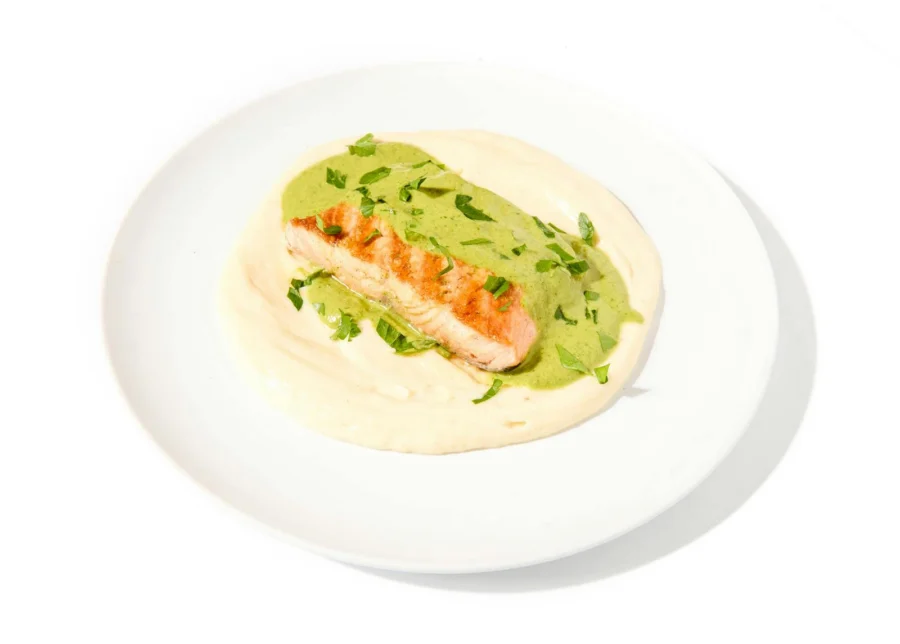 Salmon with Salsa Verde · by Jonny Giordani
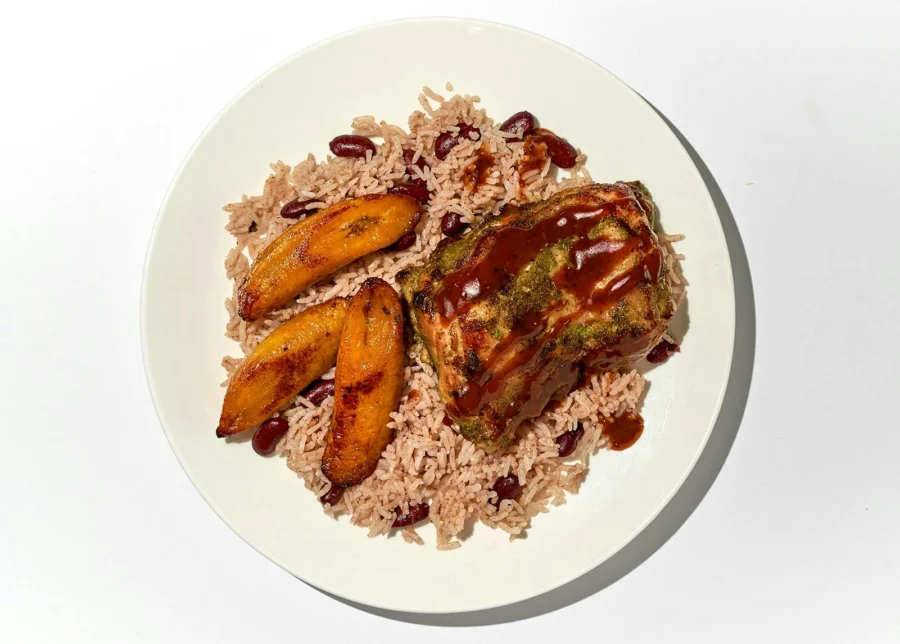 Jerk Chicken and Plantains · by Aarthi Sampath
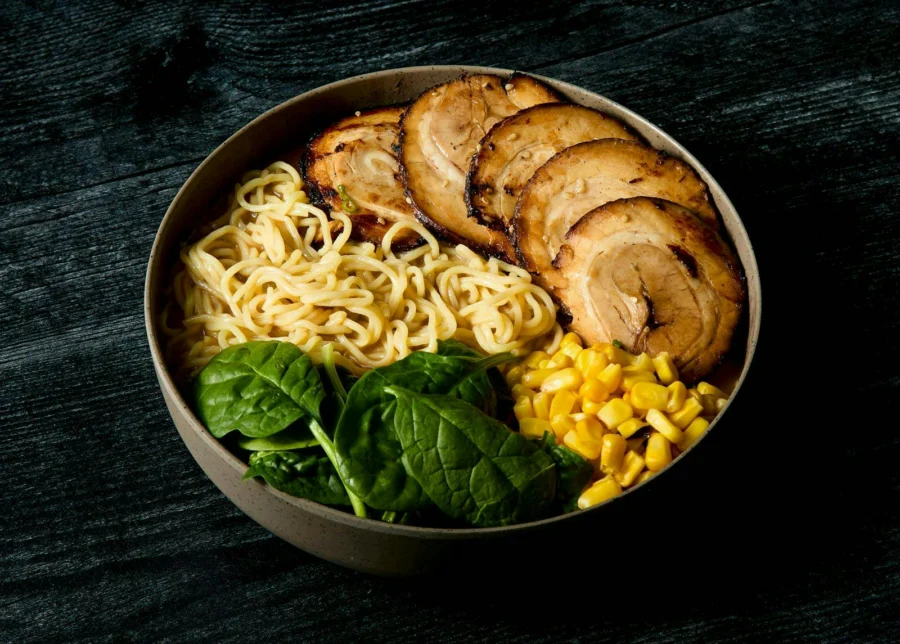 Tonkotsu Ramen and Pork Belly
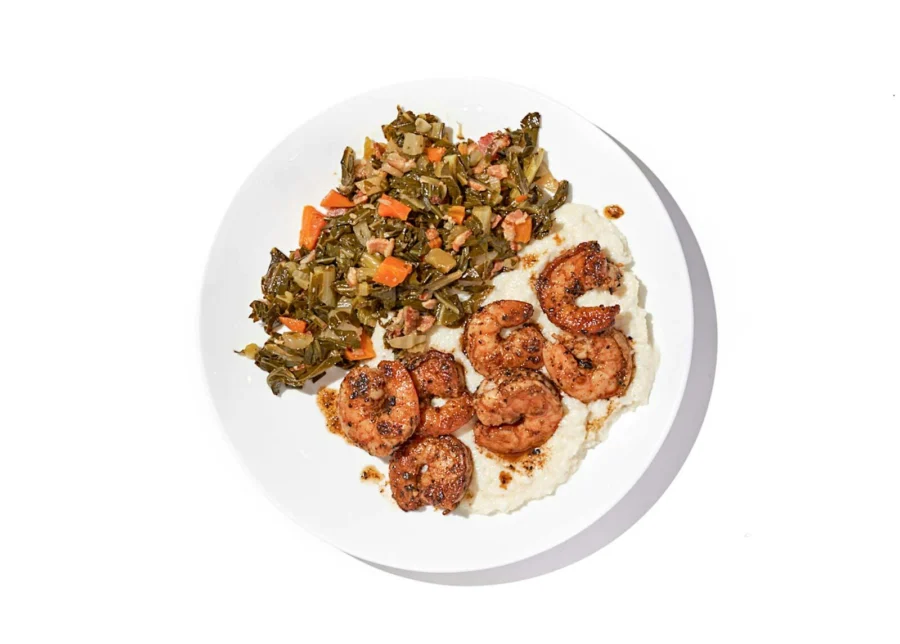 Shrimp with Grits and Collards · by Chris Ratel
 Korean Bibimbap Bowl · by Kate Noh
50% off
Editor's Choice · #1 Meal Delivery Service 2026
Get 50% off your first CookUnity box
CookUnity is our number one pick for 2026: 9.2/10 after hands on testing, with 1,100+ of its meals tracked in our database. Through our link the discount applies automatically. 50% off box 1, then 10% off boxes 2 and 3. Six meals come to about $42 your first week, roughly $7 a plate instead of $14.
12 of 13 MealFan readers who tried it ordered again. Skip a week or cancel anytime.
Get 50% off at CookUnity →
No code needed. Want the current code by email instead? Get it here
Korean Bibimbap Bowl · by Kate Noh
50% off
Editor's Choice · #1 Meal Delivery Service 2026
Get 50% off your first CookUnity box
CookUnity is our number one pick for 2026: 9.2/10 after hands on testing, with 1,100+ of its meals tracked in our database. Through our link the discount applies automatically. 50% off box 1, then 10% off boxes 2 and 3. Six meals come to about $42 your first week, roughly $7 a plate instead of $14.
12 of 13 MealFan readers who tried it ordered again. Skip a week or cancel anytime.
Get 50% off at CookUnity →
No code needed. Want the current code by email instead? Get it here
Find your meal service match
Answer 30 questions about how you eat. We'll rank your top 3 from 24 services we track.
Popular comparisons
Write a review of Sakara Life
No email needed. The gift card draw below is optional.
Optional $100 gift card draw
All honest ratings have the same chance. A written review is required. No purchase necessary.
Draw rules and free entry
Compare across all our rankings
- Best Meal Delivery Services of 2026: our master ranking of the top 10 services in the United States.