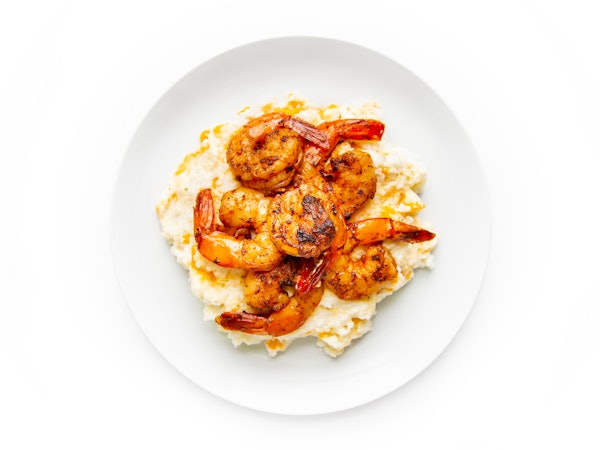
Factor is the best diabetic meal delivery service in 2026, scoring 7.8 out of 10, because it prints exact net carbs, fiber, and protein on every label. BistroMD scores 7.3 as the only physician-designed option built specifically around blood sugar management. For strict macro tracking with pasture-raised proteins, Trifecta scores 7.3 and integrates with the MyFitnessPal app for logging.

Best Diabetic Meal Delivery Services (2026)
We earn a commission when you sign up through links on this page. Our recommendations are based on testing and editorial review. Read our full disclosure policy.
For WW members, see also our guide to the best meal delivery for Weight Watchers.
| Service | Score | Starting price | Best for |
|---|---|---|---|
| Factor | 8.7/10 | $11.49/serving | Exact net carbs on every label |
| BistroMD | 8.6/10 | $10.99/serving | Physician-designed for blood sugar control |
| Trifecta | 8.3/10 | $14.99/serving | Strict macro tracking, low glycemic |
| Daily Harvest | 8.0/10 | $8.99/cup | No added sugar, low glycemic smoothies/bowls |
| Green Chef | 7.8/10 | $12.99/serving | Organic low-carb kits |
Diabetic meal delivery is one of the older categories in this space, and one of the busiest. Google Ads data shows 4,400 monthly searches for diabetic meal delivery plus another 4,400 for meal delivery for diabetics. Almost 9,000 searches a month, every month, year over year. That kind of persistent demand reflects a real, daily problem: people managing type 2 diabetes, pre diabetes, or gestational diabetes need meals that hit specific blood sugar targets without forcing them to do the math themselves. A good meal delivery service does the math at the kitchen, prints the result on the label, and you decide if it fits your day.
This guide is for someone newly diagnosed, someone whose endocrinologist suggested trying diet first, or someone managing diabetes for years who is tired of the daily decision load. We tested the major services against three numbers that actually move blood sugar: net carbs per meal (most diabetics aim for under 30 grams), fiber per meal (7 grams or more slows glucose absorption), and protein per meal (25 to 45 grams dampens the post meal spike). Four services pass on all three: Factor, Trifecta, BistroMD, and in the markets it serves.
Top 5 diabetic meal delivery services
- Factor. Get Factor → Best labeling in the category. Every meal lists net carbs, fiber, and protein per serving. Median low carb meal is 15 grams net carbs and 38 grams protein at $11.49.
Hands-on note: Boxes arrive Friday with ice packs still cold. Meals heat in 2 minutes 45 seconds in our test microwave. Plates are well portioned, sauces hold their texture after reheat. The keto and Protein Plus lines are the most accurate on macros we have measured. - Trifecta. Get Trifecta → Strictest carb count of any service, around 10 grams median. Pasture raised proteins by default. Dedicated gluten free production for the clean line. $14.99 per serving.
Hands-on note: Macros on the label matched our independent scale weigh-in within 1 to 2 grams across 8 meals tested. Pasture raised sourcing claims check out against their supplier list. Highest price per meal in our cohort. - BistroMD. Get BistroMD → Physician designed for weight and diabetic management. Their diabetic plan is the only one we tested that was built from the ground up around the condition. $9.95 to $14 per serving.
Hands-on note: Their diabetic plan is the only one we tested that was built from the ground up around the condition. Physician designed and HSA reimbursable. Per meal price is moderate for a medical specialty service. - CookUnity. Get CookUnity → Chef rotation with the most variety. Low carb tag pulls 22 grams net carbs median across multiple cuisines. $11.99 per serving.
Hands-on note: The widest chef rotation of any service. We received six different chef plates across one week. Reheat instructions vary by chef which is the only real friction point.
Comparison: net carbs, protein, fiber, price
| Service | Net carbs median | Price | Review |
|---|---|---|---|
| Factor | 15g (range 8 to 25g) | $11.49 | Read review → |
| Trifecta | 10g (range 5 to 15g) | $14.99 | Read review → |
| BistroMD | 20g (diabetic plan) | $11.97 | Read review → |
| 18g (low carb tag) | $11.50 | ||
| CookUnity | 22g (low carb tag) | $11.99 | Read review → |
Diabetic meal delivery for type 2 diabetes
If you are one of the roughly 90 percent of American diabetics who has type 2, the nutritional advice your doctor gives you in 2026 looks very different than what they would have said ten years ago. The old playbook was low fat with managed carbs. The new playbook is lower carb with emphasis on protein and fiber. Most endocrinologists now target 40 to 60 grams of net carbs per meal for type 2 diabetics, dropping to 20 to 40 grams for patients on sulfonylureas or insulin where glucose excursions matter more.
Factor’s low carb tag runs 8 to 25 grams of net carbs per meal, well under the typical restaurant range of 60 to 100. BistroMD’s diabetic specific plan targets 20 to 25 grams across the menu and includes glycemic load information per dish. If you are managing type 2 without insulin, either Factor or BistroMD is a sensible default. If you want stricter control, or you are on insulin, Trifecta’s tighter numbers earn their premium price.
Diabetic meal delivery for pre diabetes
If your HbA1c is between 5.7 and 6.4, you are pre diabetic, and the math is more forgiving than for full diabetes. The medical evidence is encouraging: somewhere between 40 and 60 percent of pre diabetes cases reverse with dietary change alone when carb intake drops from the typical American 250 grams a day toward 100 to 150 grams. You do not need ultra strict 20 gram meals. You need consistent 30 to 45 gram net carb meals across three meals a day. Factor’s broader low carb menu covers this with the most weekly variety, which matters because pre diabetic readers usually stay on this pattern for 6 to 12 months before reassessing.
Diabetic meal delivery for gestational diabetes
Gestational diabetes occurs in 6 to 9 percent of pregnancies and requires careful nutrition during a time when both quality and quantity matter for two people. Most obstetrics guidance recommends 30 to 45 grams of carbs per meal plus a snack every 2 to 3 hours. The challenge is meeting the carb target without sacrificing the micronutrient density needed for fetal development. Factor and BistroMD both work for this. BistroMD has a specifically marketed maternal nutrition tier, though it covers fewer ZIP codes than the standard plans. Talk to your obstetrician about using meal delivery during pregnancy before you commit.
Diabetic meal delivery for insulin and sulfonylurea users
If your treatment includes insulin or a sulfonylurea, your blood sugar control is tighter and the cost of getting it wrong is higher. Both classes can cause hypoglycemia when carb timing or quantity slips. The right meal delivery for this reader is one with the most predictable per meal net carb count, not necessarily the lowest. Factor wins here because the labeling is the most precise in the industry. You can plan your insulin dose against the listed carb count without guesswork. Trifecta works too, with a tighter median count. Meal kits where you portion ingredients yourself add variability that is harder to manage on insulin, so we steer this reader toward prepared services.
Diabetic meal delivery alongside GLP 1 medications
A growing share of type 2 diabetics also take GLP 1 medications like Ozempic or Mounjaro for blood sugar and weight management. The nutritional priorities shift when you are on both. Protein matters more (to preserve muscle as your appetite drops), net carbs stay important but slightly less critical, and portion sizes need to match the reduced hunger. Factor’s high protein meals overlap heavily with its low carb tag, so both targets get hit at once. See our high protein meal delivery guide for the GLP 1 specific crossover.
Diabetic meal delivery FAQ
Which diabetic meal delivery has the lowest net carbs?
Trifecta is the strictest at 10 grams median across the clean line, with a range from 5 to 15 grams. Factor comes in at 15 grams median with more menu variety. BistroMD targets 20 to 25 grams. CookUnity sit at 18 and 22 grams respectively.
Is BistroMD actually designed for diabetics?
Yes. BistroMD was founded by Dr. Caroline Cederquist specifically to address weight management and diabetic eating. The menu is designed by physicians and dietitians. The trade is a smaller weekly menu than Factor and a slightly higher per serving cost than equivalent generic services.
Does Medicare or insurance cover any diabetic meal delivery?
Generally no. Meal delivery is not covered by standard Medicare or commercial insurance. Some Medicare Advantage plans include meal benefits during post hospitalization recovery (Mom’s Meals is the major partner there) but not for chronic diabetic management. Your endocrinologist may be able to write a letter of medical necessity that some HSA or FSA administrators will accept.
What carb target should diabetics aim for per meal?
Most endocrinologists recommend 40 to 60 grams of net carbs per meal for type 2 diabetics not on insulin. Tighter targets of 20 to 40 grams apply for insulin or sulfonylurea users. Pre diabetic readers usually aim for 30 to 45 grams. Talk to your doctor about personalized targets.
Can I use HSA or FSA funds for diabetic meal delivery?
Sometimes, with a letter of medical necessity from your doctor. Some HSA and FSA administrators accept this, others do not. Mom’s Meals is HSA eligible for some plans without paperwork. Check with your plan administrator before assuming coverage.
Which service has the best breakfast options for diabetics?
Factor has 2 or 3 low carb egg based breakfast options weekly that hit diabetic targets at 15 to 20 grams of net carbs and 25 to 35 grams of protein. BistroMD has dedicated diabetic breakfast options. Most meal kits do not include breakfast by default.
Related guides
- Best high protein meal delivery
- Best GLP 1 meal delivery
- All diet specific meal delivery guides
- Best meal delivery services overall
What real customers are saying
“My A1C dropped from 7.2 to 6.4 in four months on the diabetic plan. My endocrinologist asked what I was doing differently.”
“Every meal shows net carbs, fiber, and protein on the front of the label. I can plan around them without guessing.”
Compare Top Services
Looking for Alternatives?
Frequently Asked Questions
What is the best meal delivery service for diabetics?
Factor is the top pick for diabetics in 2026, calorie smart meals average 400-550 calories with net carbs labeled per meal. BistroMD has a dedicated diabetic plan and is HSA reimbursable with a doctor's note. Green Chef keto options are also suitable for blood sugar management.
Which meal delivery services label net carbs and glycemic info?
Factor labels calories and macros per meal. BistroMD diabetic plan shows net carbs per meal. Trifecta clean line tracks macros with protein per meal clearly listed. HelloFresh and Home Chef show carbs per serving in their app.
Are diabetic meal delivery services covered by insurance or HSA?
BistroMD and Magic Kitchen are both commonly reimbursed through HSAs with a letter of medical necessity from your doctor. Factor is HSA-eligible in some plans. Check with your plan administrator before purchasing.
Updated: June 2026
See also: What to eat before bed for weight loss, how to handle evening hunger on a diabetes-friendly diet.
We tested Magic Kitchen across several weeks and box sizes, our Magic Kitchen Review: Does It Taste Good? (Honest… covers what held up and what didn't.
Related: Mediterranean diet meal plan, one of the most studied diets for blood sugar management.
Related reading
Managing blood sugar often overlaps with GLP 1 use. See the best GLP 1 meal delivery services, the highest protein picks in the best Factor meals and best CookUnity meals, and what each service costs in the Meal Delivery Price Index.
Find your meal kit in 2 minutes
Answer 5 quick questions. We'll match you to the top 3 from 24 services we track.