Dinnerly vs CookUnity (2026): Budget Kits vs Chef-Crafted Meals
CookUnity wins on food quality and chef variety; Dinnerly wins for the most budget-conscious households who want to cook at home.
Tested by Eric Sornoso · Verified June 2026
Quick Navigation
Dinnerly and CookUnity sit at opposite ends of the meal delivery spectrum. Dinnerly is one of the most affordable cooking kits in the United States, starting at $4.99 per serving with a streamlined digital recipe card format. CookUnity is a premium chef-prepared meal service starting at $10.99 per meal, delivering fully cooked dishes created by professional chefs. If your primary concern is keeping the grocery bill as low as possible while still avoiding full meal planning, Dinnerly is built for you. If you want restaurant-caliber food with zero cooking time, CookUnity is the answer. This guide covers every major category so you can make the right call for your household in 2026.
| Category | Dinnerly | CookUnity | Winner |
|---|---|---|---|
| Food Quality | 6/10 | 9/10 | CookUnity |
| Variety | 6/10 | 9/10 | CookUnity |
| Convenience | 5/10 | 10/10 | CookUnity |
| Price | 10/10 | 6/10 | Dinnerly |
| Delivery | 7/10 | 9/10 | CookUnity |
| Menu Flexibility | 8/10 | 7/10 | Dinnerly |
| Customer Service | 6/10 | 9/10 | CookUnity |
| Value | 8/10 | 9/10 | CookUnity |
Food Quality and Chef Credentials
Dinnerly keeps costs down by simplifying everything: digital recipe cards instead of printed ones, fewer ingredients per recipe, and simpler cooking techniques. The meals are satisfying and practical, but Dinnerly does not position itself as a premium culinary experience. The ingredient quality reflects the price point, with standard grocery-grade proteins and produce. For households who want affordable home cooking without paying for extras they don't need, Dinnerly delivers exactly what it promises.
CookUnity operates in an entirely different quality tier. Every meal is prepared by a named professional chef, many with Michelin-star restaurant backgrounds, cookbook credits, or Food Network appearances, using commercial kitchen equipment and restaurant sourcing. Meals arrive fully cooked, refrigerator-ready, and require only 2 to 3 minutes of reheating. The difference in eating quality is substantial. Complex sauces, properly caramelized proteins, and layered flavors that home cooking at any skill level rarely achieves are consistently present in CookUnity's lineup.
Pricing Breakdown and Value Analysis
Dinnerly starts at $4.99 per serving, making it one of the two or three least expensive meal kit services in the United States. For a family of four receiving three recipes per week, the weekly food cost runs roughly $60 before shipping. Shipping typically costs around $10 per box. Dinnerly achieves this price by cutting feature overhead rather than ingredient quality, and the result is a reliable budget option for households that cook regularly and want to reduce per-meal spending without switching to frozen meals.
CookUnity starts at $10.99 per meal and requires no additional time investment beyond reheating. When you factor in the time savings and the professional preparation quality, CookUnity's value proposition is strong for working adults. While Dinnerly wins on per-unit price, CookUnity wins when you account for the complete meal experience, the convenience savings, and the culinary quality gap. For individuals and couples where time is as scarce as money, CookUnity consistently delivers more return per dollar spent.
Convenience and Delivery Experience
Dinnerly's recipes are intentionally simple, typically running 20 to 35 minutes from start to finish. The streamlined ingredient lists reduce prep complexity and make cleanup faster than most competing kits. For busy households that still want to cook, this efficiency is a genuine selling point. Deliveries arrive on a weekly schedule, and skipping weeks is handled through the account dashboard with reasonable lead time requirements. Dinnerly covers a broad delivery geography that includes most major US markets.
CookUnity removes cooking from the equation entirely. Individual meal trays arrive chilled, require 2 to 3 minutes in the microwave, and create virtually no cleanup. The weekly menu rotates through 40+ options spanning global cuisines, dietary preferences, and protein types, so subscriber fatigue is rarely an issue. The app provides a smooth browsing and selection experience, with clear chef profiles and meal descriptions for each dish. For anyone who values not cooking over the act of cooking, CookUnity's convenience level is unmatched in this comparison.
Dinnerly is best for:
- Ultra-budget households needing meals at $5 per serving or less
- Families who want structured cooking without premium kit prices
- People who prefer simple recipes with minimal ingredients
- Students or young adults learning to cook on a strict budget
CookUnity is best for:
- Busy professionals who want real, flavorful meals without cooking
- Food lovers seeking professional chef cuisine delivered to the door
- Anyone who values variety, quality, and convenience over lowest price
- Individuals or couples where time is more limited than budget
Our Pick
CookUnity wins this comparison
CookUnity wins on food quality, chef credentials, convenience, variety, and overall value for most customers. Dinnerly is a legitimate choice for households where $4.99 per serving is a decisive factor, but for anyone willing to spend slightly more per meal, CookUnity delivers a dramatically superior eating experience with zero time investment. The quality and convenience gap between these two services is one of the widest in any meal delivery comparison.
Updated June 2026
| Category | Dinnerly | CookUnity |
|---|---|---|
| Overall Score | 8.0/10 | 9.2/10 |
| Price per Serving | $5-$7/serving | $12-$16/meal |
| Cooking Required | Yes (25-30 min) | None (microwave/oven) |
| Chef-Crafted | No (home recipes) | Yes (250+ rotating dishes) |
| Diet Variety | Standard (veg filter) | 15+ dietary filters |
| Shipping | $9.99/box | $9.99/order |
| Plan | Dinnerly | CookUnity |
|---|---|---|
| Entry | 2 ppl, 3 meals ~$52/wk + ship | 4 meals ~$60/wk + ship |
| Mid | 4 ppl, 3 meals ~$76/wk + ship | 8 meals ~$110/wk + ship |
| Shipping | $9.99/box | $9.99/order |
Dinnerly vs CookUnity: The Short Version
Dinnerly and CookUnity represent two completely different philosophies about how to eat well. Dinnerly is the budget meal kit, $5-$7 per serving, simple recipes you cook yourself in 25-30 minutes, designed for households that want convenience without premium pricing. CookUnity is a premium prepared meal service with 250+ rotating chef-crafted dishes from a network of independent professional chefs, $12-$16 per meal, zero cooking required, delivered fully prepared. CookUnity scores significantly higher (9.2/10 vs 8.0/10) on culinary quality and convenience. Dinnerly wins on price. There is almost no overlap between the customer each service is optimized for.
Budget Cooking vs Premium Convenience
Dinnerly's recipes are built for accessibility and cost. Five ingredients or fewer per meal, basic techniques suited to any cooking skill level, 25-30 minute cook times. The simplicity keeps costs down, which is the point. You get a reliable home-cooked dinner at a price that beats cooking from scratch on a per-ingredient basis. The service delivers value in the most literal sense.
CookUnity's chef network delivers a genuinely different eating experience. Each week features dishes from dozens of named professional chefs with restaurant credentials, Spanish, Japanese, Italian, Korean, and dozens of other cuisines rotate through the menu. Meals arrive fresh and fully cooked, requiring only a few minutes of reheating. For someone who wants restaurant-quality variety without leaving home or spending restaurant prices, CookUnity's model is compelling.
Culinary Quality
The quality gap between these services is significant. Dinnerly produces solid, reliable home cooking at the lowest price point in the market. CookUnity produces restaurant-adjacent dishes from professional chefs that consistently exceed what a home cook would produce from a kit. The per-meal cost of CookUnity ($12-$16) is roughly double Dinnerly's, and the quality reflects it.
Menu Size and Weekly Recipe Selection
Dinnerly's weekly menu offers 25 to 30 recipes across standard, vegetarian, and family-size plan options. Recipes are deliberately simplified: most use five to six ingredients (compared to 10 to 12 at premium meal kits), cook in 25 to 35 minutes, and target crowd-pleasing weeknight flavors, cheesy pasta bakes, chicken fajita bowls, teriyaki stir-fries, beef tacos, creamy mushroom risottos. Recipe simplification is what enables Dinnerly's $5 to $7 per-serving pricing; fewer specialty ingredients, simpler techniques, and streamlined sourcing reduce the per-kit cost substantially below competitors. A rotating set of add-ons extends the weekly order for subscribers who want more than just dinner coverage each week. Dinnerly's recipe library also offers a "low effort" filter for weeknights when even 30 minutes feels like too much after a demanding day.
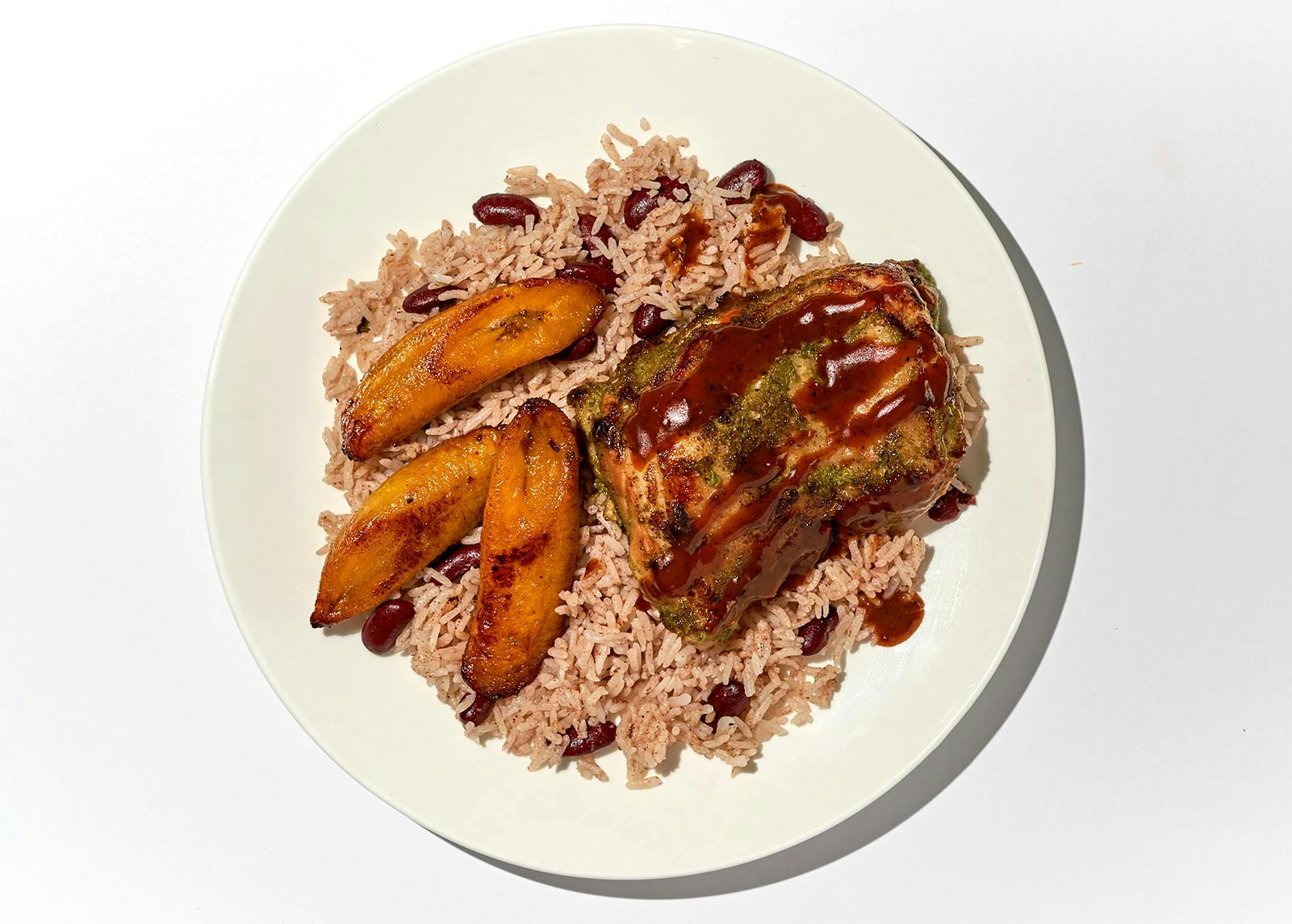
CookUnity's 250+ weekly rotating prepared dishes from 50+ professional chefs operate on a categorically different scale of variety and culinary ambition. Peruvian-style lomo saltado with yuca fries, Japanese tonkotsu-inspired ramen bowls with braised pork belly and marinated soft-boiled egg, Sicilian braised chicken thighs with green olives and capers over creamy polenta, West African peanut stew with sweet plantain and jollof rice, Nashville hot fried chicken over pickled coleslaw on a brioche bun, Korean BBQ beef bulgogi with steamed jasmine rice and house-fermented kimchi, the variety spans global culinary traditions with genuine chef-level execution. All 250+ items carry 15+ filterable dietary tags: keto, paleo, Mediterranean, vegan, gluten-free, high-protein, low-sodium, dairy-free, nut-free, and specific allergen combinations. Weekly rotation ensures even subscribers ordering 16 meals per week rarely encounter the same dish twice in any given month, which prevents the menu fatigue that affects most subscription meal services over time.
Pricing: The Real Cost Gap Between Services
Dinnerly's pricing advantage over the meal kit category is real, substantial, and consistent across plan types. At $5 to $7 per serving, a couple ordering 3 meals per week (6 servings) pays $30 to $42 for the meal food component, plus the $9.99 shipping fee, for an all-in weekly total of $40 to $52. At the family plan level (4 servings per meal, 3 meals per week), the absolute weekly cost is higher but the per-serving cost remains in the $5 to $7 range. The low price is achieved through recipe simplification, digital-only recipe cards (no printed card in the box), bulk supplier relationships for staple ingredients, and a stripped-back packaging approach. For households where the meal kit budget is genuinely constrained, Dinnerly can trim $30 to $50 off monthly spending compared to HelloFresh or Blue Apron at equivalent order volumes over the course of a year.
CookUnity's per-meal pricing starts at $11.49 for 4 meals per week, decreasing to $10.74 at 12 to 16 meals per week. Add the $9.99 weekly shipping fee. A couple sharing 8 CookUnity meals per week pays roughly $97 to $100 all-in, nearly double what Dinnerly costs for the same number of household servings. The price gap is real and significant. CookUnity's premium reflects the fully prepared format requiring zero cooking, professional chef sourcing across 50+ culinary contributors, and the restaurant-grade variety that 250+ weekly options enable. New CookUnity subscribers typically receive 40 to 50% off the first order, which temporarily narrows the comparison, but ongoing pricing maintains the substantial gap between these two categorically different services, one of which is a cooking kit, the other of which is a professional meal delivery service.
Culinary Quality and Skill Requirements
Dinnerly's recipe design targets beginner-to-intermediate home cooks. Five-ingredient recipes with 25 to 35 minute cook times are intentionally accessible, someone who has never used a meal kit before can follow Dinnerly's digital instructions without difficulty. The simplified recipes mean less room for culinary exploration and zero technique-building compared to premium kits like Blue Apron or Marley Spoon. Dish complexity is deliberately bounded: don't expect handmade pasta, complex reduction sauces, or restaurant-quality plating challenges in a Dinnerly box. What you get is functional, consistent, crowd-pleasing weeknight cooking that eliminates the grocery store trip and the daily "what's for dinner" decision at the lowest price available from any nationally recognized meal kit brand.
CookUnity requires no cooking skills whatsoever, the kitchen engagement is zero from the subscriber's side. Microwave 2 to 4 minutes, plate, eat. The culinary experience is delivered entirely by the professional chef contributors in the network. For households that have tried meal kits and found even 30-minute simplified recipes difficult to execute consistently after a full workday, CookUnity eliminates the entire cooking requirement. The food quality reflects professional culinary training: dishes are seasoned by chefs who cook for a living, plated with attention to visual appeal, and designed to taste as good reheated as they did when freshly prepared. The subscriber's operational contribution is exactly 2 to 4 minutes of heating and the act of plating, making CookUnity functionally equivalent to restaurant delivery without the restaurant markup on every individual item.
Delivery and Practical Logistics
Dinnerly delivers weekly to most U.S. states, with a delivery footprint that is solid in major markets but less extensive in rural areas compared to HelloFresh or Blue Apron. Insulated boxes with gel ice packs maintain ingredient freshness for 24 to 48 hours after delivery. Delivery days are set by region without individual day selection in most markets. Skip or cancel with at least 5 business days' notice before the upcoming delivery date. Box sizes include 2-person and 4-person options at 2 to 5 meals per week. Packaging is simpler and less premium-feeling than higher-cost meal kits, which is a direct consequence of the cost-reduction strategy that enables Dinnerly's pricing, the simplified packaging reflects value engineering in service of the price point, not a statement about the food quality inside.
CookUnity ships nationally via FedEx and UPS with excellent urban and suburban coverage and occasional one-day delays in rural areas depending on carrier routing. Fully prepared meals arrive in individually packaged thermal containers with use-by dates of 5 to 7 days from delivery, meaningfully more flexibility than fresh-ingredient meal kits that require cooking within 3 to 5 days. Pause or cancel with 5 days' notice before the next charge date. Individual meal selection each week from the 250+ rotating menu allows modifying the weekly order, swapping dishes, or adjusting quantities until 5 days before delivery. The digital ordering interface handles this with a straightforward selection and cart system that most subscribers find intuitive after one or two ordering cycles.
Subscription Management and Cancellation
Dinnerly's cancellation is self-service through account settings online. Skip, pause, or cancel with at least 5 business days' notice before the upcoming delivery date. The process does not require a phone call. Dinnerly occasionally presents retention offers during the cancellation flow, but these are not required to complete the cancellation and the self-service path is accessible without extended navigation through retention sequences. One known friction point: some subscribers report the 5-business-day cutoff is tighter than expected in practice, especially if a holiday or weekend falls in the window, which can inadvertently trigger a charge for a delivery the subscriber intended to skip by counting calendar days rather than business days correctly.
CookUnity cancellation requires 5 calendar days' notice before the next charge date, processed through account settings or the app without a phone call required. Modifying individual weekly meal selections is possible until 5 days before delivery, giving substantial last-minute flexibility within the subscription. Reducing order volume in slower weeks is straightforward given the per-item ordering model, simply select fewer items rather than initiating a full plan cancellation. CookUnity's account management involves fewer reported friction points than most prepared meal service competitors at this price range, and the self-service cancellation flow is clear and relatively quick to complete for subscribers who have decided to pause or exit the service entirely.
Testing Notes: What We Actually Ordered and Evaluated
In our Dinnerly evaluation over 6 weeks, we ordered from the standard and vegetarian plans, testing 14 recipes across two independent households. Results were consistent with the service's positioning: functional, accessible weeknight dinners that delivered on simplicity and value without aspiring to culinary ambition beyond the price point. Best performers included a chicken tikka bowl (five ingredients, 25 minutes, genuinely satisfying), a cheesy baked pasta that both households rated highly for comfort-food execution, and a teriyaki salmon that punched above its per-serving cost. Weakest performer: a "gourmet" burger recipe that required pantry supplementation to achieve appropriate seasoning given the limited ingredient count. Ingredient quality was appropriate for the price point throughout the evaluation period.
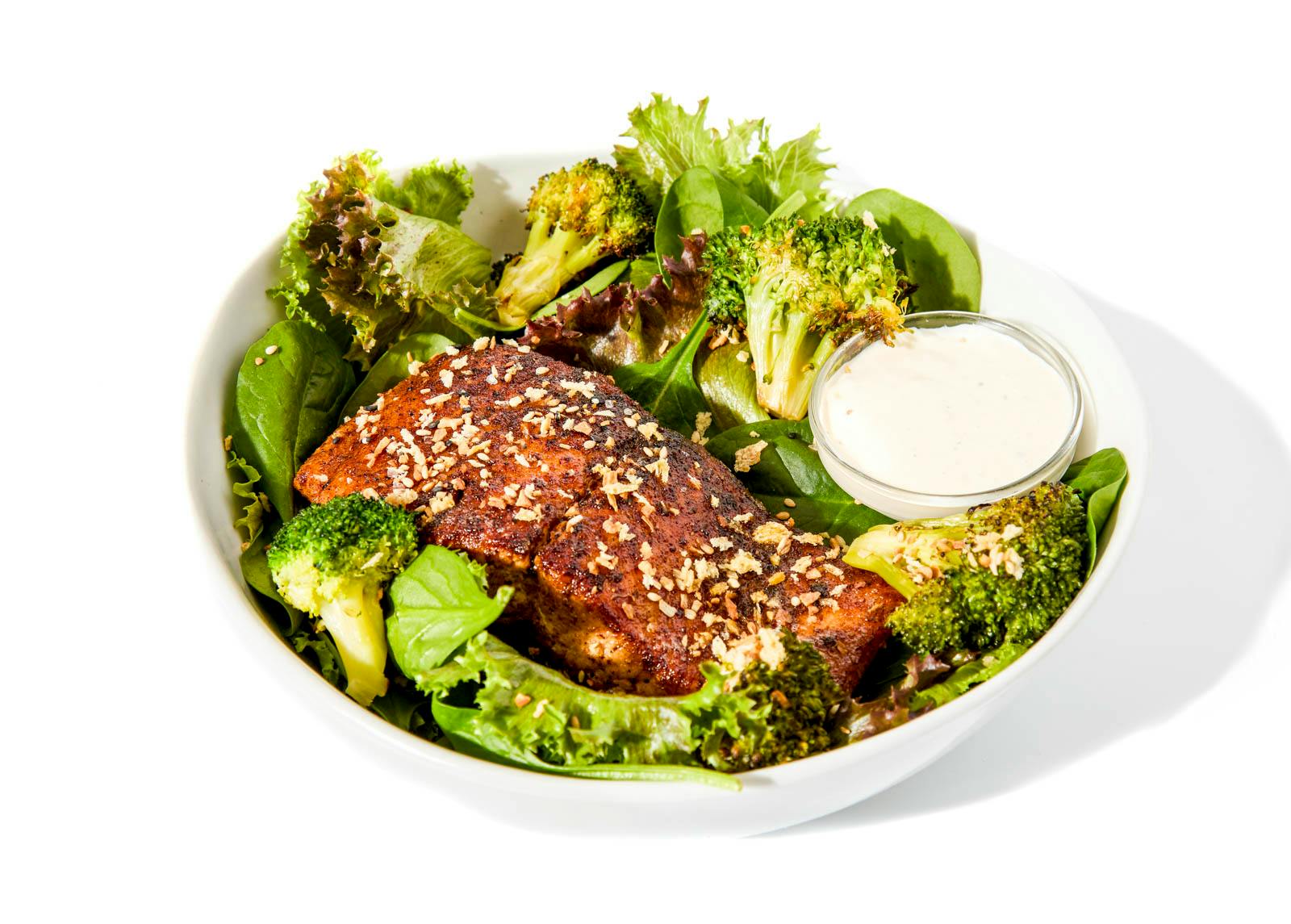
CookUnity evaluation covered 24 dishes from 8 chefs over 4 weeks across keto, Mediterranean, high-protein, and vegan categories. Top performers: a dry-aged beef burger bowl with chimichurri that our panel unanimously rated as the best burger bowl tested across all food delivery services in our evaluation history; a Korean BBQ bowl with house-fermented kimchi that earned repeat orders from all panel members; and a paleo salmon with roasted root vegetables where the ingredient quality was noticeably above any meal kit standard tested in our broader evaluation series. Two dishes from different chefs were underseasoned for our panel's preferences, an expected outcome with a 50+ chef platform. The culinary quality gap between CookUnity and Dinnerly was significant and consistent, reflecting the fundamental service-type difference between a cooking kit and a professional chef-prepared meal delivery service at scale.
Getting Started: Welcome Offers and First Experience
New Dinnerly subscribers typically receive 50 to 60% off the first box through promotional offers displayed at sign-up. The low introductory price makes the trial financially very low-risk, and many subscribers report their first Dinnerly box as the deciding factor in whether the service fits their household's cooking habits and budget priorities. The first box experience is utilitarian, simple packaging, digital recipe card QR code, clearly labeled ingredients, which accurately signals what Dinnerly is: a budget-first service that prioritizes low price and simplicity over premium presentation and complex technique challenges.
New CookUnity subscribers receive 40 to 50% off the first order through the standard welcome promotion, making the trial financially accessible enough to evaluate the service fairly. The first order experience gives a representative sample of the chef network's range: selecting from 250+ options without prior experience can feel overwhelming, and CookUnity's app guides first-timers with curated "staff picks," chef highlight recommendations, and category filters that surface the most highly rated dishes across the platform for each dietary preference. Most first-time CookUnity subscribers report that the first delivery recalibrates their expectations about what home-delivered food can taste like at this price range and reheated preparation format.
Who Should Choose Dinnerly
Dinnerly is the right choice for cost-conscious households who want the meal kit experience, pre-portioned ingredients, structured weeknight recipes, no grocery trip required, at the lowest price available from a nationally recognized brand. Families stretching a grocery budget while wanting variety, households new to meal kits who want a low-risk trial at minimal cost, young adults establishing independent cooking routines, and households with straightforward taste preferences who do not need elaborate recipe complexity will find Dinnerly delivers genuine value at $5 to $7 per serving. It executes its core promise, affordable, accessible, pre-portioned weeknight cooking, consistently and without pretense at a price that no major meal kit competitor currently matches.
Who Should Choose CookUnity
CookUnity is the right choice when convenience is non-negotiable and budget allows for the premium. Professionals eating dinner solo most weeknights who cannot commit to even 25-minute cooking after demanding work days, athletes tracking macros across multiple dietary protocols who need precise nutrition without kitchen time, households where different members follow incompatible dietary requirements that no single meal kit plan can accommodate simultaneously, and anyone who has found meal kit boxes consistently going unused despite good intentions will find CookUnity eliminates every practical obstacle to eating well regularly. The 250+ weekly rotating menu from 50+ professional chefs prevents menu fatigue. The fully prepared format means dinner quality does not depend on the subscriber's energy level, kitchen skill, or schedule on any given evening, professional culinary results are consistently delivered regardless of what the day looked like.
Bottom Line
CookUnity wins on every dimension except price, it scores 0.8 points higher, offers vastly more variety, requires zero cooking, and delivers noticeably better food. Dinnerly wins on price, which for budget-first households is the deciding factor. The question is whether you're optimizing for cost or for quality and convenience.
Frequently Asked Questions
Is Dinnerly or CookUnity better?
CookUnity scores significantly higher (8.0/10 vs 8.0/10). CookUnity wins on culinary quality (250+ chef-crafted dishes), convenience (zero cooking), and variety. Dinnerly wins on price at $5-$7/serving vs CookUnity's $12-$16/meal. Choose Dinnerly for budget cooking; choose CookUnity for quality and convenience.
Is CookUnity more expensive than Dinnerly?
Yes, roughly 2x more. Dinnerly runs $5-$7/serving (plus $9.99 shipping); CookUnity runs $12-$16/meal (plus $9.99 shipping). For an individual eating 6 meals/week: Dinnerly-equivalent ~$45 vs CookUnity ~$87. For a family of four, the gap grows substantially since CookUnity prices per individual portion.
Do you cook with Dinnerly and not with CookUnity?
Dinnerly delivers raw ingredients with recipe cards, you cook 25-30 min per meal. CookUnity delivers fully cooked meals by professional chefs that heat in a microwave or oven in 2-4 minutes. CookUnity eliminates all kitchen work; Dinnerly requires active cooking.
Cancel Guide Links
Browse Meals from Each Service
See our full list of CookUnity alternatives for more options.
Looking for Alternatives?
Where to Order in Your City
Both services deliver to most major US cities. Find local availability and the latest deals in your area:
- Meal delivery in New York City
- Meal delivery in Los Angeles
- Meal delivery in Chicago
- Meal delivery in Houston
- Meal delivery in Phoenix
- Meal delivery in Philadelphia
- Meal delivery in San Antonio
- Meal delivery in Dallas
Half of Dinnerly vs CookUnity is just what sounds good this week, which you can see on Dinnerly menu and CookUnity menu.
Browse meal delivery by category
- Meal delivery by diet: keto, low carb, vegan, paleo, gluten free, dairy free and more.
- Meal delivery by health condition: diabetes, heart, kidney, low sodium and more.
- Meal delivery by lifestyle and goal: weight loss, high protein, budget, no cook and more.
See the actual meals
Browse CookUnity meals | Browse Dinnerly meals | All 6,000+ meals
CookUnity is our pick in this comparison. Best current deal below.



Find your meal kit in 2 minutes
Answer 5 quick questions. We'll match you to the top 3 from 24 services we track.
Popular comparisons
Rate these services
Tap to rate either service. Your rating is added to that brand's reader score.
Compare across all our rankings
- Best Meal Delivery Services of 2026: our master ranking of the top 10 services in the United States.
- Best High Protein Meal Delivery: ranked for athletes, weight management, and GLP 1 friendly meals.
- Best Diabetic Meal Delivery: ranked for Type 2 diabetes, pre diabetes, and insulin support.
- Best GLP 1 Meal Delivery: ranked for Ozempic, Wegovy, Mounjaro, and Zepbound users.