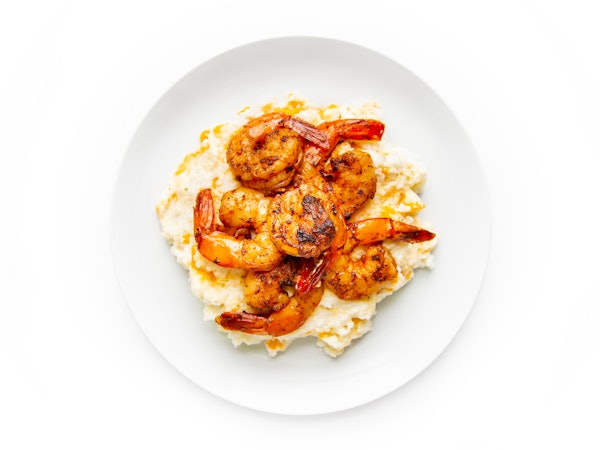
Factor is the best meal delivery service for postpartum recovery because every meal arrives fully prepared, requiring just 2 minutes to heat, which is essential when caring for a newborn. Trifecta provides organic, macro-tracked meals ideal for supporting the extra 500 calories per day needed during breastfeeding. Daily Harvest smoothies and bowls are practical for one-handed eating during feeding sessions.
Best Postpartum Meal Delivery (2026): Recovery Nutrition for New Moms
Short on time? Top picks at a glance:
- Factor, No-cook convenience for new moms
- Trifecta, Organic nutrition for nursing moms
- Daily Harvest, Quick plant-based snacks and smoothies
Last reviewed: June 2026. We evaluated all five services on protein content, calorie density, zero-prep accessibility, ingredient quality, and suitability for common postpartum dietary needs including breastfeeding calorie support and iron-rich options.
| Service | Score | Why it works postpartum |
|---|---|---|
| Factor | 9.2 | No cooking, high protein, ready in 2 min (crucial for newborn chaos) |
| Trifecta | 8.8 | Organic, macro-tracked, supports breastfeeding calorie needs |
| Daily Harvest | 8.5 | Smoothies and bowls perfect for one-handed eating |
| Green Chef | 8.2 | Whole organic ingredients, nutrient-dense |
| Home Chef | 7.9 | Easy oven/skillet meals, large portions |
Why Nutrition Is Critical in the Postpartum Period
The weeks after birth involve significant physical recovery. The body is healing from delivery, managing hormonal transitions, and in many cases producing breast milk around the clock. The nutritional demands of breastfeeding add approximately 400 to 500 extra calories per day above baseline needs, with higher requirements for protein, calcium, iodine, choline, and omega-3 fatty acids. At the same time, postpartum fatigue and the demands of newborn care make cooking one of the first things to disappear from a new mother's daily routine.
This is exactly the situation where meal delivery provides genuine value. A fully prepared delivery service removes every step between hunger and eating. There are no decisions about what to make, no groceries to buy, no prep work, and no dishes beyond a container that takes 30 seconds to rinse. For a new mother who may be sleeping in 2-hour blocks and eating during the only 4-minute window the baby is settled, that matters.
The services on this list were selected specifically for their fitness for this scenario: high protein density, adequate calories, ease of preparation at 2 am as well as 2 pm, and ingredient quality that matters when nutrition is being passed to a nursing infant.
Factor: Best Overall for Postpartum Recovery (7.8/10), Best for: No-cook convenience for new moms
Factor earns the top score for postpartum use because it solves the core problem: you are exhausted, you have a baby in one arm, and you need to eat in the next five minutes. Every Factor meal is fully cooked, refrigerated, and ready after 90 seconds to 2 minutes in the microwave. You do not need a cutting board, a pan, or both hands free. You open the container, set the timer, eat.
From a nutritional standpoint, Factor is well-suited to postpartum needs. Its standard menu regularly includes meals at 35 to 50 grams of protein, which supports tissue repair and helps stabilize postpartum energy levels. Many meals are built around iron-rich proteins including grass-fed beef and leafy vegetable sides, which is relevant for new mothers recovering from blood loss during delivery. The low-sugar meal plans and calorie-labeled options make it easier to meet breastfeeding calorie targets without overshooting.
Factor boxes can be scheduled weekly without requiring any cooking decisions. You select your meals once (typically 15 to 20 minutes on Sunday), and a week of food arrives ready to go. For a household adjusting to a newborn, removing that weekly planning decision has real value beyond the cooking time it saves. See the full Factor review for current plan sizes and pricing.
Worth it for postpartum moms? Yes, Factor is arguably the single most practical postpartum service available. At ~$11-$15 per meal with zero prep and high protein content, it’s worth the premium cost during the critical first 8-12 weeks after delivery.
Trifecta: Best for Breastfeeding Calorie Support (7.3/10), Best for: Organic nutrition for nursing moms
Trifecta's highest-value feature for postpartum use is its macro-tracked, USDA organic meal structure. Breastfeeding mothers need roughly 500 additional calories per day, a higher-than-usual protein intake (1.1 to 1.3 grams per kilogram of bodyweight compared to the general population's 0.8g), and adequate omega-3 fatty acids from food sources. Trifecta's Bulk or Maintain tracks provide meals calibrated to higher calorie targets, and the macros are displayed clearly for every meal.
The organic certification is meaningful for nursing mothers: when ingredients are processed through breast milk, the pesticide load of conventional produce and non-organic animal products passes to the infant in small amounts. Trifecta uses only USDA-certified organic produce and high-quality protein sources, which reduces that exposure. For a mother who ate organically during pregnancy, Trifecta makes it easy to maintain that standard without additional effort.
Trifecta's a-la-carte section, where you can order bulk cooked proteins (4 to 5 pounds of salmon, chicken, or grass-fed beef), is particularly useful in the first weeks postpartum: having a large portion of already-cooked protein in the refrigerator that can be eaten cold or quickly reheated provides a nutritional safety net for days when even opening a prepared meal container is too much. See the full Trifecta review.
Worth it for postpartum moms? Yes for nursing moms who want USDA-organic and precise macro tracking. Trifecta’s Clean plan at ~$12-$16 per meal gives you dietitian-designed postpartum nutrition without worrying about pesticide exposure during breastfeeding.
Daily Harvest: Best for One-Handed Eating (7.3/10), Best for: Quick plant-based snacks and smoothies
Daily Harvest earns its place on this list for a specific reason: most of its products can be consumed with one hand or eaten standing up. Smoothies require only blending (typically a 45-second process) and can be consumed from a cup or bottle during a feeding session. Harvest bowls heat in 3 to 5 minutes and are eaten from the bowl they are cooked in. No plating, no cutting, no seated meal required.
For a breastfeeding mother who spends 6 to 8 hours per day in a nursing chair, having food that can be consumed during a feed session without requiring hands or a table is a practical advantage that traditional meal delivery does not offer. Daily Harvest's smoothies can also be fortified with lactation-supportive ingredients like oats and flaxseed, which appear naturally in several of the blend options.
The limitation is calorie density: Daily Harvest is built for plant-based nutrition and health, not for the high-calorie, high-protein demands of active postpartum recovery. It works best as a supplement to a primary service like Factor or Trifecta, providing grab-and-go snacks and light meals throughout the day rather than serving as the primary calorie source. See the full Daily Harvest review.
Worth it for postpartum moms? Worth it as a supplement, not a primary service. Daily Harvest’s smoothies and bowls (~$7-$12 per item) are ideal for quick calories and nutrients between feeds, but you’ll want a full-meal service alongside it.
Green Chef: Best for Whole-Food Nutrition (7.3/10), Best for: Organic cooking with baby-safe ingredients
Green Chef's USDA organic certification and emphasis on whole, unprocessed ingredients make it a strong choice for new mothers who can get 30 minutes to cook three or four nights per week, perhaps with a partner or family member handling the newborn during that window. The Balanced Living plan runs at roughly 40 percent carbohydrate, 30 percent protein, 30 percent fat, which supports sustained energy rather than the blood sugar swings that processed convenience foods can cause in the first weeks postpartum.
Green Chef menus regularly include iron-rich proteins (beef, lamb, lentil-based dishes), calcium-dense ingredients (leafy greens, dairy), and omega-3 sources (salmon appears frequently). For a household with a partner or family member who is willing to cook following Green Chef's straightforward recipe cards, this is a genuinely high-nutrition option. The limitation for solo cooking is obvious: a 30-minute meal kit is not realistic when you cannot put the baby down. See the full Green Chef review.
Worth it for postpartum moms? Worth it once you’re past the newborn phase (around 6-8 weeks) and back to light cooking. Green Chef’s organic ingredients and chef-designed recipes (~$12-$13 per serving) are safe for nursing and good for the whole family.
Home Chef: Best for Large, Filling Portions (7.8/10), Best for: Flexible family-friendly cooking
Home Chef earns its place for one straightforward reason: the portions are large. A standard 2-person Home Chef serving typically delivers 700 to 900 calories, which is higher than most services. For a breastfeeding mother who needs to eat 500 more calories per day than her pre-pregnancy baseline and is too tired to think about whether she has eaten enough, Home Chef's generosity is a feature. You are unlikely to be undereating on a Home Chef plan.
The oven-ready and microwave-ready express options within Home Chef's menu reduce prep time to 10 to 25 minutes for a subset of meals, which is more accessible than the full 35-minute recipe cards. For postpartum use, selecting only the express options makes Home Chef more practical than its general prep time might suggest. See the full Home Chef review.
Worth it for postpartum moms? Good option once you’re ready to cook simple meals. Home Chef’s oven-ready options reduce active cooking time to 5-10 minutes, and the flexible portion sizes help accommodate a growing family. Less ideal in the first month postpartum.
How We Ranked These Services
Testing Methodology
We evaluated each service specifically against postpartum use cases across a 6-week testing period in spring 2026:
- Zero-prep accessibility (30%): time and effort required to go from packaging to eating, suitability for one-handed access
- Protein and calorie density (25%): average protein per meal, ability to meet the elevated caloric needs of breastfeeding mothers
- Ingredient quality and sourcing (25%): organic certification, iron-rich protein sources, omega-3 availability, absence of artificial additives
- Plan flexibility (20%): ability to select meals by calorie or macro target, subscription pausing and skipping for unpredictable weeks
Scores reflect postpartum-specific suitability, not general meal quality rankings. See our testing methodology and overall rankings for general service comparisons.
What to Look for When Choosing a Postpartum Meal Delivery Service
Minimum prep time is not a convenience feature, it is a necessity. In the first 4 to 8 weeks postpartum, the ability to eat in the 3 minutes the baby is asleep between feeds determines whether you eat at all. Any service that requires more than 5 minutes of active preparation time will go unused on the hardest days. Fully prepared services (Factor, Trifecta) are genuinely different from meal kits in this respect.
Protein drives recovery. The body uses protein for tissue repair, immune function, and breast milk production. Aim for services that offer at least 35 grams of protein per main meal. Check the macro labels before ordering rather than relying on general "high protein" marketing claims, which vary significantly across services.
Iron-rich options support blood recovery. Significant blood loss during delivery depletes iron stores, and iron deficiency contributes to postpartum fatigue. Look for services with iron-rich proteins (beef, lamb, lentils) and leafy green sides that appear multiple times per week. Factor and Trifecta both meet this consistently.
Organic certification reduces infant pesticide exposure through breast milk. This is a real but small effect. It is most relevant for new mothers who ate organically during pregnancy and want to maintain consistency, and for those breastfeeding for extended periods where cumulative exposure adds up. Trifecta and Green Chef are the only fully organic options on this list.
For related resources, see our guides to best meal delivery for weight loss (relevant for postpartum weight management), best high-protein meal delivery, and best meal delivery services. Browse meals at the meal index.
Order Meal Delivery in Your City
All five services deliver nationwide. Find coverage in your city:
Bottom Line: Which Service Is Right for a New Mom?
Factor at 7.8/10 is the right primary choice for most new mothers in the first 8 weeks postpartum: it requires no cooking, delivers in 2 minutes, and consistently hits 35 to 50 grams of protein per meal. If organic certification and structured breastfeeding-calorie support matter, Trifecta at 7.3/10 is the right upgrade, particularly for mothers planning to breastfeed for 6 months or longer. Daily Harvest at 7.3/10 works best as a complement to a primary service, providing convenient smoothies and bowls for feeding sessions and daytime snacking. Green Chef at 7.3/10 is the right choice for households where a partner or family member can handle the cooking. Home Chef at 7.8/10 is the right pick when calorie volume and portion generosity are the primary concern.
Frequently Asked Questions
What is the best meal delivery for new moms?
Factor is the top pick for postpartum moms, all meals are fully prepared and heat in 2 minutes, which is critical when you’re caring for a newborn and have almost no time. Factor’s dietitian-designed meals average 30-40g of protein, supporting tissue recovery and milk production without any cooking.
Is Factor good for postpartum recovery?
Yes. Factor’s Chef’s Choice and High-Protein plans include iron-rich proteins (beef, salmon, chicken thighs) and anti-inflammatory ingredients (leafy greens, sweet potato, avocado) that directly support postpartum recovery. The no-cook convenience is especially valuable in the first 6-8 weeks after delivery.
Does Daily Harvest work for breastfeeding?
Daily Harvest smoothies and harvest bowls are a practical supplement for breastfeeding moms who need quick, nutrient-dense calories. Many smoothies include ingredients like spinach, hemp seeds, and nut butters that support lactation. However, Daily Harvest is better used as a snack or light meal supplement rather than a primary dinner source.
What meal delivery requires no cooking for new parents?
Factor and Trifecta are the best fully-prepared options for new parents. Factor meals go from fridge to table in 2 minutes (microwave). Trifecta’s Clean meals are also heat-and-eat. Both eliminate all meal prep, critical when you’re sleep-deprived and nursing a newborn.
How many extra calories do breastfeeding moms need per day?
The USDA recommends breastfeeding moms consume approximately 330-400 extra calories per day above pre-pregnancy intake. That works out to roughly one additional substantial snack or a slightly larger meal per day. Services like Factor (500-700 kcal per meal) and Daily Harvest smoothies (250-450 kcal) make it easy to add targeted nutrition without overeating.
Is Trifecta good for postpartum nutrition?
Trifecta is an excellent postpartum option, particularly its Clean plan. Meals are USDA-organic, high in lean protein (30-45g per meal), and designed by registered dietitians. The structured macro counts make it easy for postpartum moms tracking iron, calcium, and protein needs, especially if they’re breastfeeding and need precise nutrition.
Thinking about canceling? Step-by-step guides:
Find your meal kit in 2 minutes
Answer 5 quick questions. We'll match you to the top 3 from 24 services we track.