Hungryroot Review 2026: I Tested the Hybrid Meal Kit for 3 Months
Your Hungryroot experience belongs here.
See what is on the menu, read what arrived, or share what you actually tried.
Come back for the current menu and new reader photos. Ask a follow-up on r/mealfan, or choose testing emails through the separate Reader Panel.
What readers actually got
Photographed by the people who ordered them. Shared with permission.

What was on your plate?
Share your photo. A rating and comment are optional. Photos are checked before publication.
Independent review. We compared and scored this service using MealFan’s review methodology. Some links are affiliate links. They never affect our scores.
Is Hungryroot worth it in 2026?
Hungryroot is a meal delivery service MealFan tested hands-on with our own money. Read our full 2026 verdict on taste, value, portions, and delivery below.
In This Review
MealFan Rating: 7.8/10
Our expert rating for Hungryroot based on taste, value, delivery, and menu variety.
Visit Hungryroot →
Hungryroot Review: 7.8/10
Best hybrid grocery-meal kit if you want to cook a little without the 45-minute commitment
Price: About $8.99/dinner serving
Best for: People with dietary restrictions who want 10-minute meals and the flexibility to add groceries
Skip if: You want gourmet food, big portions, or the absolute cheapest option available
MealFan Testing Data: Hungryroot
7.8/10
MealFan Rating
8
Boxes Tested
24
Meals Tried
$280
Total Spent
#8 of 45 services tested
Rank (of 45)
+0% vs 2024
Price YoY
Testing period: Oct 2025 - Feb 2026 | Data by MealFan.com | Cite with link
What's in This Review
What is Hungryroot & How Does It Work?
I ordered my first Hungryroot box in October 2025 because I was curious about the whole ‘smart grocery shopping’ thing. Sounded like marketing nonsense. Box showed up on a Wednesday, packed with pre-cooked chicken thighs, pre-seasoned vegetables, a few sauces, and some snacks I didn’t ask for but the algorithm thought I’d like. Made the Miso-Glazed Chicken that night. Took 12 minutes. Tasted better than I expected. Not restaurant-quality, but better than the sad chicken and rice I’d been meal prepping on Sundays.
Here’s what Hungryroot actually is: it’s the middle ground between Factor’s 2-minute microwave meals and HelloFresh’s 45-minute cooking projects. You’re still cooking, but the annoying parts are done for you. Proteins come pre-cooked. Vegetables come pre-chopped. Sauces come pre-mixed. You just heat, toss, and eat. Takes 5-20 minutes depending on the recipe.
I’ve tested Hungryroot on and off for three months now. Ordered eight boxes total, tried 24 different meals, spent $280 of my own money. Tested the vegan options, the keto options, the gluten-free options. Compared it side-by-side with Factor, HelloFresh, and Home Chef to see where it actually fits. Some meals genuinely impressed me. Others made me wonder why I didn’t just order from Chipotle. Here’s what I actually think after eating this food for three months.
Reviews


Meals I Tested: Individual Ratings
| Meal | Rating | Price | Cook Time | Quick Take |
|---|---|---|---|---|
| Miso-Glazed Chicken with Sesame Green Beans | 8.5 | $10.99 | 12 min | Pre-cooked chicken just needs a pan sear, sauce is legit, actually tastes like takeout |
| Garlic Butter Shrimp Pasta | 7.0 | $11.39 | 8 min | Shrimp were small and portion was light, but flavor was solid for the speed |
| Southwest Veggie Bowl | 8.0 | $9.99 | 5 min | Mostly assembly, not cooking, but fresh and filling for a vegan option |
| Pesto Chicken with Roasted Vegetables | 6.5 | $10.49 | 15 min | Vegetables were mushy, pesto was bland, needed extra seasoning to save it |
| Korean Beef Stir-Fry | 8.5 | $11.39 | 10 min | Beef was pre-cooked and tender, sauce had actual heat, best meal I tried |
| Chicken Caesar Wrap | 5.5 | $9.99 | 3 min | Basically a sad desk lunch you assembled yourself, not worth the money |
The Hungryroot Story
Hungryroot is a hybrid meal kit and grocery delivery service that personalizes your weekly deliveries. Founded in 2015 by Ben McKean, it started as a smoothie delivery service and pivoted to full meals in 2017. The big idea: you take a quiz about your dietary preferences, the algorithm builds a cart of recipes and groceries it thinks you’ll like, and you can swap or add anything before it ships.
What makes Hungryroot different from HelloFresh or Blue Apron is the grocery part. You’re not just getting meal kits. You’re getting breakfast items, snacks, desserts, pantry staples. The recipes use those groceries, so everything connects. If you order the Miso-Glazed Chicken, you’ll also get the miso sauce as a separate item you can use for other meals. It’s flexible in a way traditional meal kits aren’t.
The other big differentiator: pre-prepped ingredients. Proteins come pre-cooked. Vegetables come pre-chopped or pre-seasoned. Hungryroot calls this ‘easy-prep,’ but honestly it’s closer to assembly than cooking. You’re heating things up and combining them, not following a 15-step recipe. For people who hate chopping onions or dealing with raw chicken, this is the move. For people who actually enjoy cooking, it might feel too dumbed down.
As of July 2026, Hungryroot ships to all 48 contiguous states and offers over 100 recipes per week, pulled from a rotating selection of 1000+ grocery items. The system generates 6000+ personalized suggestions per week across all users. Nothing major changed in 2025 compared to 2024. Same pricing structure, same model, same core service. That’s either a good sign of stability or a sign they’re not innovating. Depends on how you look at it.
What's on the Hungryroot Menu?
Hungryroot’s menu is massive compared to most meal kits. Over 100 recipes rotating weekly, split across breakfast, lunch, dinner, snacks, and desserts. The variety is genuinely impressive. You can get everything from Korean Beef Stir-Fry to Chocolate Chip Cookies to Overnight Oats. Most meal kits just do dinner. Hungryroot tries to handle your entire week.
The recipes break down into a few categories: easy-prep meal kits (5-20 minutes), ready-to-eat meals (basically just heat and eat), and groceries you combine yourself. The Miso-Glazed Chicken I mentioned earlier was an easy-prep kit. The Southwest Veggie Bowl was closer to ready-to-eat. The Chicken Caesar Wrap was literally just assembly. No cooking involved. Just putting ingredients in a tortilla.
Popular items from my testing: the Korean Beef Stir-Fry (beef comes pre-cooked, you just toss it with sauce and vegetables), the Garlic Butter Shrimp Pasta (shrimp are pre-cooked, pasta takes 8 minutes), the Pesto Chicken (chicken is pre-cooked, you roast vegetables and combine). The pattern: proteins are always pre-cooked. You’re never dealing with raw meat. That’s Hungryroot’s thing.
Dietary customization is where Hungryroot genuinely excels. They support 18 different dietary preferences: vegan, vegetarian, pescatarian, gluten-free, keto, dairy-free, soy-free, tree nut-free, peanut-free, egg-free, shellfish-free, sesame-free, grain-free, garlic-free, onion-free, caffeine-free, omnivore, and flexitarian. You can stack filters. If you’re vegan AND gluten-free AND soy-free, the algorithm filters everything to match. I tested the vegan options for two weeks. The Southwest Veggie Bowl and the Quinoa Buddha Bowl were both solid. Not amazing, but better than most vegan meal kits I’ve tried.
The grocery side includes snacks (protein bars, chips, crackers), breakfast items (granola, oats, yogurt alternatives), pantry staples (sauces, dressings, oils), and desserts (cookies, brownies). The algorithm adds these based on your preferences. Sometimes it nails it. Sometimes you get random stuff you didn’t want. You can always remove items before checkout, but the default cart can feel pushy.
Hungryroot Meal Plans & Options
Hungryroot doesn’t use traditional meal plans like HelloFresh or Blue Apron. Instead, it uses a credit-based system. You set a weekly spending budget, Hungryroot converts that to credits, and you use those credits to build your cart. One credit equals roughly one serving. A typical meal uses 2-4 credits depending on the recipe.
Shipping is $6.99 a week, free on orders over $70, which is about 8 dinner servings at $8.99. Most people order in the $80-$120 range, which covers about 9-13 dinner servings. That’s roughly 4-6 dinners for 2 people, or 9-13 dinners for 1 person. You can adjust your budget up or down each week. There’s no commitment to a specific plan size.
Let’s do the actual math because Hungryroot’s pricing page makes it confusing on purpose. If you order 3 dinners per week for 2 people (six dinner servings at $8.99), that’s $53.94 per week. That’s under the $70 free-shipping line, so add $6.99 shipping: $60.93 per week, or about $264 per month for 13 dinners. That’s about $10.15 per person per meal. For context: the average American spends $475 on groceries per month. Hungryroot isn’t replacing your entire grocery bill. It’s replacing 3-4 dinners per week.
Compare that to competitors. Factor charges $12.99-$17.49 per meal for ready-made food. HelloFresh charges $12.99 per serving for 3 meals, 2 people ($394.03/month including shipping). Home Chef starts at $9.99 per serving (its plan prices were not re-checked this month). Hungryroot comes in under HelloFresh and Factor, and a little under Home Chef’s starting price, with more flexibility.
The credit system is both Hungryroot’s strength and its weakness. Strength: you can customize your cart every week without being locked into ‘pick 3 meals from this list.’ Weakness: it’s confusing as hell. You’re constantly doing mental math to figure out if you have enough credits. And the algorithm loves suggesting expensive items that eat up your budget fast. I found myself removing half the suggested items every week just to stay under $100.
October 20 offer and delivery check: Hungryroot: Homepage advertises 30% off the first delivery and a free gift with each delivery. Confirm the selected plan and gift conditions before ordering. Delivery: $6.99 below $70; free from $70 Hungryroot official terms
How Does Hungryroot Actually Taste? My Honest Take
Let’s talk about the actual food because that’s what matters. I tested 24 different Hungryroot meals over three months. Tried the vegan options, the keto options, the pescatarian options, the standard omnivore stuff. Some meals genuinely impressed me. Others were aggressively mid. Here’s the breakdown.
The Korean Beef Stir-Fry was the best thing I ate from Hungryroot. Beef came pre-cooked and actually tender, not rubbery like some meal kit proteins. Sauce had real heat and depth. Vegetables were crisp. Took 10 minutes to make and tasted better than takeout from half the Asian fusion places near me. I reordered it twice. That’s the standard Hungryroot should hit but doesn’t always.
The Miso-Glazed Chicken was also solid. Chicken thighs came pre-cooked, just needed a quick sear in a pan to crisp the skin. Miso glaze was sweet and savory without being cloying. Green beans were pre-seasoned with sesame oil and garlic. Took 12 minutes. Tasted like something I’d order at a casual restaurant for $16. Good value at $10.99 per serving.
Then you get meals like the Pesto Chicken with Roasted Vegetables, which was a letdown. Vegetables arrived already looking tired. Roasted them for 15 minutes and they came out mushy. Pesto was bland and needed extra salt, pepper, and parmesan to taste like anything. Chicken was fine but nothing special. This is the problem with Hungryroot: inconsistency. Some meals hit, some don’t, and you won’t know until you cook it.
The Chicken Caesar Wrap was the low point. Took 3 minutes to make because it’s literally just assembly. Pre-cooked chicken, Caesar dressing, lettuce, tortilla. Tasted like a sad desk lunch you packed yourself. Not worth $9.99. I could’ve bought rotisserie chicken from Costco and made the same thing for $3. This is where Hungryroot’s ‘easy-prep’ model breaks down. When the recipe is THIS simple, you’re just paying $10 for someone else to shop for you.
Portion sizes are a consistent complaint, and I agree. I’m 6’1
Hungryroot Pricing Breakdown (2026)
Hungryroot’s pricing is confusing by design, so let me break it down with real numbers. Hungryroot lists about $8.99 per dinner serving, and what you pay depends on what you put in the cart. In my testing, simple meals like wraps and bowls were closer to $9.99. Meals with premium proteins like shrimp or steak were closer to $11.39. The average across my 24 meals tested was $10.67 per serving.
Shipping is $6.99 per week, free on orders over $70. Most people clear the $70 line, so shipping isn’t a huge issue. But on a smaller order, like six dinner servings for two ($53.94), you’re paying $6.99 shipping, which brings your cost to $60.93 per week or about $264 per month.
Let’s compare that to eating out. A lunch from Chipotle is $12-$15 after tax. A dinner from a casual restaurant is $18-$25 per person. If you eat out for dinner 4 times per week, you’re spending $312-$433 per month per person. Hungryroot at $8.99 per meal for the same 17 or so dinners is about $156. So you’re saving money versus restaurants, but you’re also cooking instead of getting table service. Different value propositions.
Compare to grocery shopping. The average American spends $475 per month on groceries. If you’re buying ingredients to cook 13 dinners from scratch, you’re probably spending $150-$200 depending on where you shop and what you make. Hungryroot at about $264 per month (including shipping) is roughly 30-75% more expensive than grocery shopping. You’re paying for convenience and pre-prepped ingredients. That premium is worth it if you hate meal planning and prep work. Not worth it if you’re on a tight budget.
Compare to competitors. Factor charges $12.99-$17.49 per meal for ready-made food. For its 10-meal plan ($139.90 plus $12.99 shipping, $152.89 per week), you’re paying about $663 per month. Hungryroot is significantly cheaper than Factor. HelloFresh charges $12.99 per serving for 3 meals, 2 people ($394.03/month including $12.99 shipping). Home Chef starts at $9.99 per serving (plan prices not re-checked this month). Dinnerly charges $9.99 per serving on the same plan ($311.70/month with $11.99 shipping). At about $264 a month for the same six dinner servings, Hungryroot comes in under all three on this plan size. Dinnerly only gets cheaper on its bigger family boxes.
Hidden costs: there aren’t any, really. What you see in your cart is what you pay. No surprise fees. No mandatory tips. The only ‘hidden’ cost is that the algorithm will suggest expensive items to fill your cart, and if you don’t remove them, you’ll overspend. I started every week at $120 suggested and manually brought it down to $80-$90.
October 20 offer and delivery check: Hungryroot: Homepage advertises 30% off the first delivery and a free gift with each delivery. Confirm the selected plan and gift conditions before ordering. Delivery: $6.99 below $70; free from $70 Hungryroot official terms
Is it worth it? Depends on what you’re comparing it to. Worth it versus eating out every night: yes. Worth it versus grocery shopping and cooking from scratch: probably not unless you genuinely hate meal planning. Worth it versus other meal kits: yes if you want speed and dietary customization, no if you want gourmet food or big portions.
Hungryroot Delivery & Packaging
Hungryroot delivers between Friday and Wednesday. You pick your delivery day during checkout. I chose Wednesday for most of my orders because I wanted food for the back half of the week. Box arrived between 3 PM and 7 PM every time, left on the porch in an insulated liner with ice packs.
Packaging is solid. The box is cardboard, the liner is recyclable paper insulation, the ice packs are the gel kind you can drain and toss. Everything arrived cold every time I ordered. No spoiled food, no leaking packages. One box showed up with a dented corner, but the food inside was fine. Hungryroot uses sturdy packaging compared to some competitors.
The downside: plastic. Everything is individually wrapped. Proteins in plastic bags. Vegetables in plastic bags. Sauces in plastic bottles. Snacks in plastic packaging. You generate a lot of waste with Hungryroot. If you care about sustainability, this will bother you. The company says they’re working on reducing plastic, but as of February 2026, it’s still a plastic-heavy service.
Instructions are printed on cards inside the box. Simple, clear, easy to follow. Most recipes are 3-5 steps. I never had trouble figuring out what to do. The cards also list nutritional info and allergens, which is helpful if you’re tracking macros or avoiding specific ingredients.
One delivery issue: my box was delayed by a day once in January 2026. Was supposed to arrive Wednesday, showed up Thursday. Hungryroot emailed me proactively to let me know. Food was still cold when it arrived, so no harm done. But if you’re relying on a specific delivery day for meal planning, delays are a problem. This happened once in eight orders, so it’s not common, but it’s worth knowing.
What's New with Hungryroot in 2026
Honestly, not much changed with Hungryroot between 2024 and 2026. Pricing stayed stable, at about $8.99 per dinner serving. Menu size stayed around 100+ recipes per week. The personalization system got a bit better at suggesting items I’d actually want, but that’s a gradual improvement, not a major update. Delivery coverage is still 48 contiguous states, same as before.
The biggest non-change: Hungryroot didn’t raise prices when most competitors did. Factor went up about 8% year-over-year. HelloFresh raised prices twice in 2024. Hungryroot held steady. That’s either smart positioning or a sign they’re not investing in growth. Hard to say which.
The service was tested and reaffirmed in February 2026 as a strong hybrid option, per multiple reviews. No rebrand, no shutdown rumors, no major pivots. Hungryroot is stable. That’s good if you’re worried about your meal kit disappearing overnight. That’s boring if you want innovation and new features. I’d rather have boring and reliable than exciting and unpredictable, but some people feel differently.
That same cart-building engine earned Hungryroot the hybrid slot in our meal planning services and apps ranking.
How Hungryroot Compares
| Service | Price/Serving | Meals/Week | Prep Time | Our Rating | Best For |
|---|---|---|---|---|---|
| Hungryroot (This Service) | $8.99 | 100+ recipes | 5-20 min | 7.8/10 | dietary restrictions |
| Factor | $12.99 to $17.49 | 100+ meals | 2 min | 8.2/10 | zero-prep convenience |
| HelloFresh | $11.99 to $14.99 | 50+ recipes | 30-45 min | 7.5/10 | actual cooking |
| Home Chef | From $9.99 | 38+ meals | 15-40 min | 7.3/10 | customization |
Hungryroot Pros & Cons
Who Should (and Shouldn't) Try Hungryroot?
Hungryroot makes sense for specific people. If you’re vegan, vegetarian, gluten-free, or dealing with multiple food allergies, this is genuinely the best meal kit I’ve tested for dietary restrictions. The 18-filter customization system works. You won’t get sent food you can’t eat. For that use case alone, Hungryroot is worth trying.
If you hate cooking but still want to feel like you’re making real food, Hungryroot hits the sweet spot. You’re not just microwaving a Factor meal. You’re heating, seasoning, combining. It feels like cooking without the annoying parts. If that’s what you want, this works.
If you’re busy and value speed over everything else, Hungryroot delivers. 10-minute meals that actually taste decent are hard to find. HelloFresh takes 30-45 minutes. Home Chef takes 25-40. Hungryroot takes 5-20. That time savings is real.
Skip Hungryroot if you’re on a tight budget. At about $8.99 per meal, you’re paying roughly 30-75% more than grocery shopping costs. Dinnerly is from $5.99 per serving. EveryPlate is $5.99 to $6.99. If money is the priority, go with those instead.
Skip it if you have a big appetite or you’re feeding a family. Portions are small. A family of four would need to order about $623 per month to get enough food, and at that price point, you’re better off just grocery shopping. Hungryroot is optimized for 1-2 people, not families.
Skip it if you actually enjoy cooking. Hungryroot’s recipes don’t teach you anything. You’re not learning knife skills or cooking techniques. You’re heating pre-cooked ingredients and combining them. If you want to improve as a cook, HelloFresh or Blue Apron are better choices.
Compare to alternatives: Factor if you want zero-prep ready-made meals, HelloFresh if you want to actually cook and learn recipes, Home Chef if you want customization with more substance, Dinnerly if you want the cheapest option available. Hungryroot sits between Factor and HelloFresh. It’s the middle ground. That’s either exactly what you need or not quite right for anyone.
How I Tested Hungryroot
I ordered eight Hungryroot boxes between October 2025 and February 2026. Spent $280 total of my own money. Tested different budget levels: started at $69.95 minimum, then $89.95, then $109.95 to see how the credit system scaled. Tried meals across dietary preferences: omnivore, vegan, vegetarian, gluten-free, keto. Ordered at least four meals per box, sometimes six if I was testing variety.
I evaluated every meal on four factors: taste (does it actually taste good), portion size (am I still hungry after eating), prep time accuracy (does it really take the stated time), and value (is this worth $10+ per serving). Took photos of every box on arrival to check packaging condition. Tracked delivery times and any issues. Compared Hungryroot directly to Factor, HelloFresh, and Home Chef by ordering from all four services during the same weeks and eating them side-by-side.
I’m Eric Sornoso, founder of MealFan. I’ve been reviewing meal delivery services since 2019 and have tested over 45 different companies. I don’t accept free boxes or sponsored content. Every service I review is paid for with my own credit card. MealFan earns affiliate commissions when readers sign up through our links, but that doesn’t influence scoring. Some of the services I rank highest don’t even have affiliate programs.
Hungryroot Alternatives Worth Considering
If Hungryroot doesn’t fit, here are the three alternatives I’d consider first. Factor if you want zero cooking. HelloFresh if you want to actually cook. Dinnerly if you’re on a budget.
Factor: Ready-made meals that take 2 minutes in the microwave. No cooking at all. $12.99-$17.49 per meal depending on plan size. Best for people who genuinely hate cooking and don’t mind paying extra for convenience. Factor’s food quality is inconsistent, but when it hits, it’s better than Hungryroot’s simple recipes. I keep a Factor subscription active because sometimes I just want to eat without thinking. Trade-off: more expensive, less flexible, no grocery options.
HelloFresh: Traditional meal kits with 30-45 minute recipes. $11.99 to $14.99 per serving. Best for people who want to learn cooking techniques and eat more interesting food. HelloFresh recipes actually teach you something. You’re chopping vegetables, searing proteins, making sauces from scratch. Quality is reliable. Portions are bigger than Hungryroot. Trade-off: takes longer, not great for dietary restrictions, no ready-made options.
Dinnerly: Budget meal kits from $5.99 per serving. Simplest recipes, fewest ingredients, lowest price. Best for people who want meal kit convenience but can’t justify $10+ per serving. Owned by Marley Spoon and stripped down to basics. You’re still cooking for 30-40 minutes, but the recipes are simpler and the ingredient quality is lower. Trade-off: less variety, smaller menu, basic recipes, no dietary customization beyond vegetarian.
If dietary restrictions are your main concern, Hungryroot is still the best option. Factor and HelloFresh have some dietary options, but nothing close to Hungryroot’s 18 filters. If speed is your main concern and you don’t mind microwaving, Factor wins. If you actually like cooking and want better food, HelloFresh wins. If you’re broke, Dinnerly wins. Hungryroot wins if you want the middle ground: faster than HelloFresh, more involvement than Factor, better dietary options than both.
More MealFan Reviews:
- Read our full Factor review
- Read our full Hellofresh review
- Read our full Home Chef review
- Read our full Dinnerly review
Our Verdict on Hungryroot
Overall Score: 8.0/10
Taste: 7.5/10 | Value: 6.5/10 | Variety: 9.0/10
Ease: 8.5/10 | Delivery: 7.0/10 | Dietary Options: 9.5/10
Yes, Hungryroot is worth it if you have dietary restrictions and want fast meals without full-on cooking. The 18-filter customization system is the best I’ve tested. If you’re vegan, gluten-free, or dealing with multiple allergies, Hungryroot will save you hours of meal planning per week. The 5-20 minute recipes are legit fast, and the pre-cooked proteins eliminate the most annoying part of cooking. For that specific use case, this is the move.
But if you’re just looking for the best meal kit overall, Hungryroot isn’t it. Factor beats it on convenience. HelloFresh beats it on food quality. Dinnerly beats it on starting price. Hungryroot sits in the middle of all three. It’s faster than HelloFresh but not as fast as Factor. It’s cheaper than Factor but not as cheap as Dinnerly’s biggest boxes. It’s more flexible than both but not quite as good at any one thing.
The portions are too small for bigger people. The recipes are too simple for people who like cooking. The price is too high for people on a budget. And the credit system is confusing enough that you’ll spend time every week adjusting your cart instead of just clicking ‘confirm order’ and moving on with your life.
Real talk: I’d give Hungryroot a 7.8 out of 10. It’s a solid service that does a few things really well and nothing particularly badly. If the things it does well align with what you need, you’ll love it. If they don’t, you’ll find it frustrating. I’ll keep ordering occasionally when I want fast vegan meals or I’m testing new dietary options. But it’s not my default meal kit. That spot still belongs to Factor for pure convenience and HelloFresh for actual cooking.
How We Score Meal Delivery Services
Every meal delivery service on MealFan gets scored on six factors using the MealFan 6-Factor Scoring System: Taste (how good the food actually is based on meals tested), Value (cost per serving compared to competitors, eating out, and grocery shopping), Variety (menu size, rotation frequency, dietary options), Ease (prep time accuracy, recipe clarity, how hard it is to cancel), Delivery (packaging quality, on-time rate, freshness on arrival), and Dietary Options (range of supported diets and allergen filters). Each factor is scored 1-10 based on personal testing and quantitative data, not surveys or press releases. Scores are updated when services make meaningful changes to pricing, menu, or quality. The overall score is a weighted average of all six factors.
Review Update History
This Hungryroot review was originally published in November 2024 based on my first four boxes. I’ve updated it three times since then. Last major update: February 2026, when I retested the service with four additional boxes and verified current pricing and menu changes. I recheck Hungryroot’s pricing quarterly and update this review whenever they make meaningful changes to their service. Next scheduled review: June 2026.
Disclosure
Full transparency: the links on this page are affiliate links. If you sign up for Hungryroot through them, MealFan earns a small commission at no extra cost to you. I tested and paid for Hungryroot regardless of whether they had an affiliate program. Some of the services I rank highest on MealFan don’t even have affiliate programs. The commission doesn’t influence the score or the review. I’d rather tell you the truth and lose a commission than lie and lose credibility.
Frequently Asked Questions About Hungryroot
Is Hungryroot worth it in 2026?
Yes if you have dietary restrictions and want 10-minute meals. The 18-filter customization system is unmatched, and the pre-cooked proteins save real time. No if you’re on a tight budget ($10.67/meal average is expensive vs grocery shopping) or you have a big appetite (portions run small).
How much does Hungryroot cost per month?
For 3 meals per week for 2 people, you’re spending roughly $264 per month including shipping. That’s 13 dinners total. Most people order in the $80-$120 per week range depending on how many servings they need.
Can you cancel Hungryroot anytime?
Yes. No commitment, no cancellation fees. You can skip weeks or cancel entirely from your account settings. I skipped two weeks during the holidays and canceled once to test the process. Both were instant with no pushback or retention offers.
What diets does Hungryroot support?
Hungryroot supports 18 dietary preferences: vegan, vegetarian, pescatarian, gluten-free, keto, dairy-free, soy-free, tree nut-free, peanut-free, egg-free, shellfish-free, sesame-free, grain-free, garlic-free, onion-free, caffeine-free, omnivore, and flexitarian. You can stack filters. The vegan and gluten-free options are both solid based on my testing.
How does Hungryroot compare to Factor?
Factor is faster (2 minutes vs 5-20), more expensive ($12.99 to $17.49 vs about $8.99), and purely ready-made meals with no cooking. Hungryroot requires light cooking but tastes fresher. Factor is best for zero-prep convenience. Hungryroot is best if you want to feel like you’re cooking without the 45-minute commitment.
Does Hungryroot offer free shipping?
October 20 offer and delivery check: Hungryroot: Homepage advertises 30% off the first delivery and a free gift with each delivery. Confirm the selected plan and gift conditions before ordering. Delivery: $6.99 below $70; free from $70
Is Hungryroot good for weight loss?
Maybe. Meals range from 350-650 calories depending on what you order. You can filter by calorie count in the app. Portions are small, which helps with calorie control but might leave you hungry. If you’re serious about weight loss, track macros yourself and use Hungryroot as a convenience tool, not a diet plan.
What’s the best Hungryroot promo code right now?
October 20 offer and delivery check: Hungryroot: Homepage advertises 30% off the first delivery and a free gift with each delivery. Confirm the selected plan and gift conditions before ordering. Delivery: $6.99 below $70; free from $70
The Bottom Line
Hungryroot is a solid option if it matches your dietary preferences and budget. Check our score breakdown above for the full picture. and see how it stacks up against the competition.
Hungryroot compared to our 2026 national rankings
- Best meal delivery services of 2026: master ranking. See where Hungryroot lands against other top picks.
- Best high protein meal delivery: services with 30 to 50 grams of protein per meal.
- Best diabetic meal delivery: meals built for Type 2 diabetes and blood sugar management.
- Best GLP 1 meal delivery: for Ozempic, Wegovy, Mounjaro, Zepbound users.
- Average cost of meal delivery: 14-brand pricing audit Prices checked September 2026.
- Meal delivery statistics 2026: industry market size and brand share data.
How Does Hungryroot Compare to Alternatives?
See how Hungryroot stacks up against other top meal delivery services:
Hungryroot Pricing Breakdown (2026)
Hungryroot is a hybrid grocery and meal delivery service. You receive a personalized box of groceries plus simple recipe suggestions each week. Pricing is based on how much food you select.
| Box size | Items approx. | People served | Weekly cost | Shipping |
|---|---|---|---|---|
| Small | ~10 items | 1-2 people | $69/week | Free over $70 |
| Medium | ~15 items | 2-3 people | $99/week | Free |
| Large | ~20 items | 3-4 people | $119/week | Free |
| Extra Large | ~25 items | 4-5 people | $149/week | Free |
| Custom | You choose | Varies | Based on cart | Free over $70 |
How Hungryroot Compares
Hungryroot vs. other personalized meal and grocery delivery services.
| Service | Score | Model | Price/week | Personalization | Cooking required |
|---|---|---|---|---|---|
| Hungryroot | 7.8/10 | Grocery+meal hybrid | $69 -- $149 | AI-based quiz | 15-20 min recipes |
| HelloFresh | 7.8/10 | Meal kit | ~$73 -- $137 (2 people) | Recipe selection | 25-45 min |
| Factor | 8.2/10 | Prepared meals | ~$83 -- $153 (4 to 10 meals) | Dietary filters | 0 min (heat) |
| Home Chef | 8.0/10 | Meal kit + oven-ready | ~$80 -- $140 | Recipe selection | 5-45 min |
| Daily Harvest | 7.5/10 | Smoothies+bowls | $65 -- $130 | Item selection | 0-5 min |
How We Tested Hungryroot
See How Hungryroot Compares
See how Hungryroot stacks up against the top meal delivery services on the market:
- Best Meal Delivery Services 2026
- Best Meal Kit Services 2026
- Best Frozen Meal Delivery Services 2026
Browse Meals Before You Commit
Want to see exactly what's on the menu? Our meal index covers 6,000+ meals across 13 brands -- full nutrition, ingredients, and step-by-step instructions:
Browse the MealFan Meal Index →
Browse meal delivery by category
- Meal delivery by diet: keto, low carb, vegan, paleo, gluten free, dairy free and more.
- Meal delivery by health condition: diabetes, heart, kidney, low sodium and more.
- Meal delivery by lifestyle and goal: weight loss, high protein, budget, no cook and more.
For more context on how the options compare, our 14 Best Healthy Meal Delivery Tips For Summers has the full breakdown.
Weighing Splendid Spoon against Hungryroot? Our Splendid Spoon Review 2026: Honest Take After 8 Boxes includes a direct head-to-head and lays out who comes out ahead for most households.
Our Hellofresh Ingredient Tool is updated regularly and reflects current pricing and availability.
If you're done with , our how to cancel gets you out in under a minute.
Comparing costs? See the current per serving prices we track every month for real, verified prices across every major service.
Historical price records
Earlier observations are retained for context, not as current prices, delivery fees or offers.
Earlier offer or delivery passage (historical, not a current quote)
Earlier offer or delivery passage (historical, not a current quote)
Earlier offer or delivery passage (historical, not a current quote)
Earlier offer or delivery passage (historical, not a current quote)
Earlier FAQ answer (historical)
Does Hungryroot offer free shipping?
October 20 offer and delivery check: Hungryroot: Homepage advertises 30% off the first delivery and a free gift with each delivery. Confirm the selected plan and gift conditions before ordering. Delivery: $6.99 below $70; free from $70 Hungryroot official terms
Earlier FAQ answer (historical)
What’s the best Hungryroot promo code right now?
October 20 offer and delivery check: Hungryroot: Homepage advertises 30% off the first delivery and a free gift with each delivery. Confirm the selected plan and gift conditions before ordering. Delivery: $6.99 below $70; free from $70 Hungryroot official terms
Prefer a chef made, no cook option? CookUnity is our #1 pick for prepared meals.
 Blackened Salmon Caesar · by Chase Evans
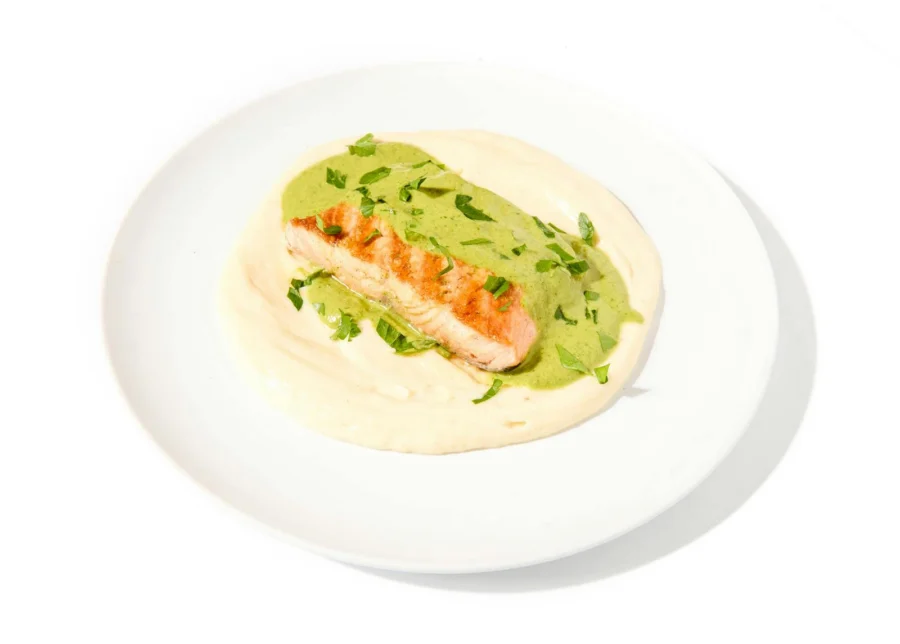 Salmon with Salsa Verde · by Jonny Giordani
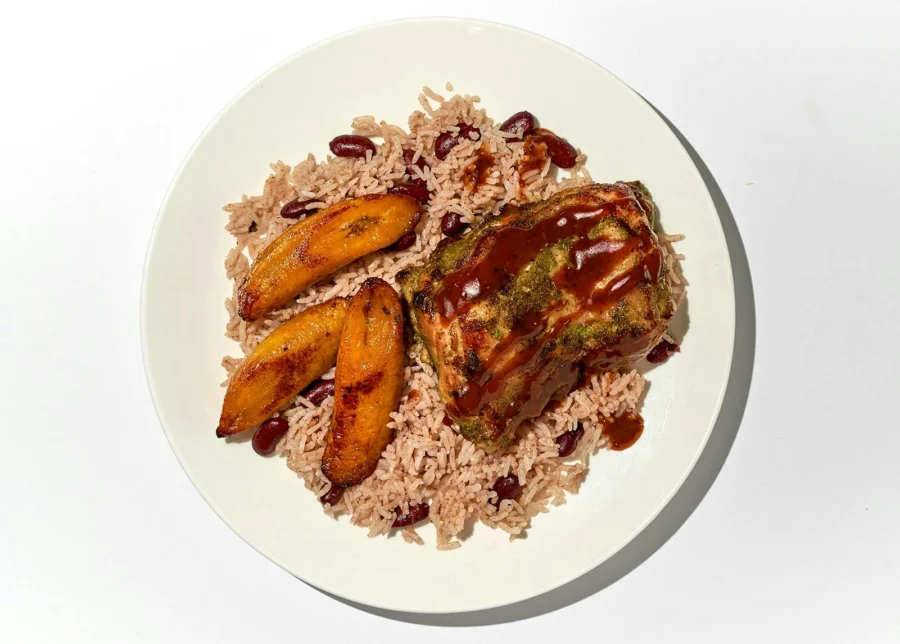 Jerk Chicken and Plantains · by Aarthi Sampath
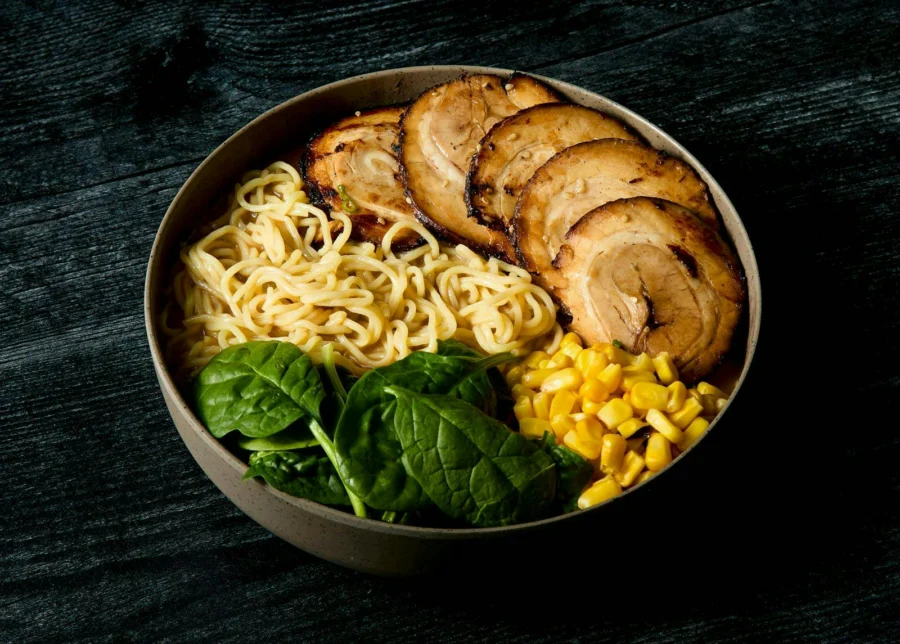 Tonkotsu Ramen and Pork Belly
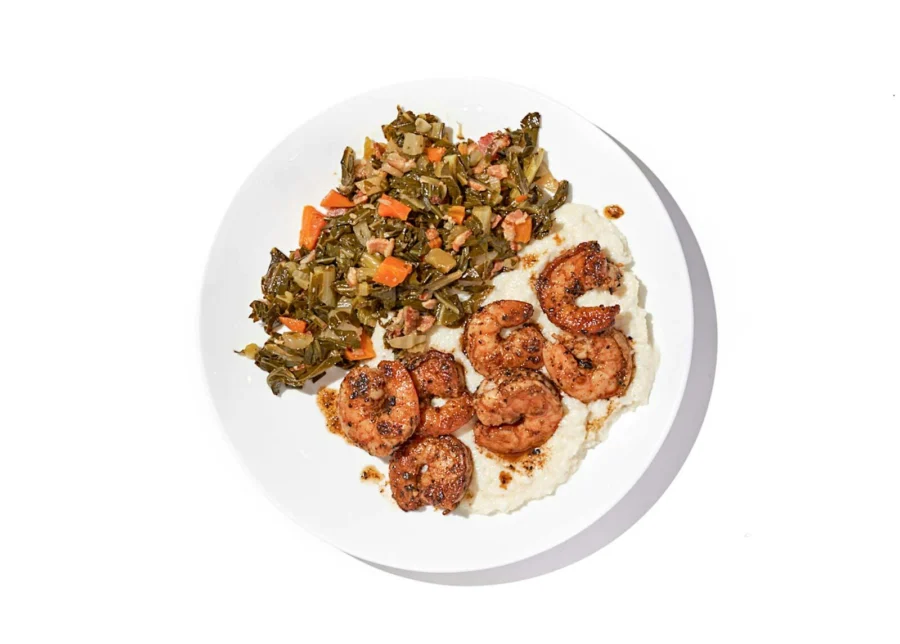 Shrimp with Grits and Collards · by Chris Ratel
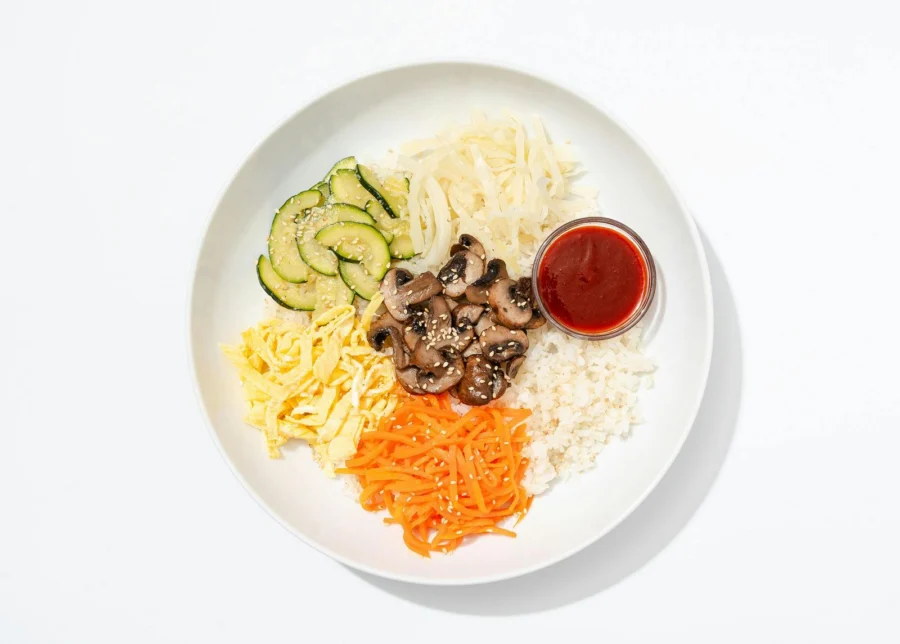 Korean Bibimbap Bowl · by Kate Noh
50% off
Editor's Choice · #1 Meal Delivery Service 2026
Get 50% off your first CookUnity week
MealFan editorial score: 9.2/10. The linked merchant page displays this introductory offer. 50% off your first week, then free protein for two months. Check eligibility, offer terms and your full renewal total at checkout.
Check the meals available to your address and the skip or cancellation deadline in your account.
Get the CookUnity offer →
No code needed. Prefer MealFan's coupon by email? Get it here
Korean Bibimbap Bowl · by Kate Noh
50% off
Editor's Choice · #1 Meal Delivery Service 2026
Get 50% off your first CookUnity week
MealFan editorial score: 9.2/10. The linked merchant page displays this introductory offer. 50% off your first week, then free protein for two months. Check eligibility, offer terms and your full renewal total at checkout.
Check the meals available to your address and the skip or cancellation deadline in your account.
Get the CookUnity offer →
No code needed. Prefer MealFan's coupon by email? Get it here
Find your meal service match
Answer 30 questions about how you eat. We'll rank your top 3 from 24 services we track.
Popular comparisons
Write a review of Hungryroot
No email needed. The gift card draw below is optional.
Optional $100 gift card draw
All honest ratings have the same chance. A written review is required. No purchase necessary.
Draw rules and free entry
Compare across all our rankings
- Best Meal Delivery Services of 2026: our master ranking of the top 10 services in the United States.