14 Best Healthy Meal Delivery Tips for Summer 2026
Opening
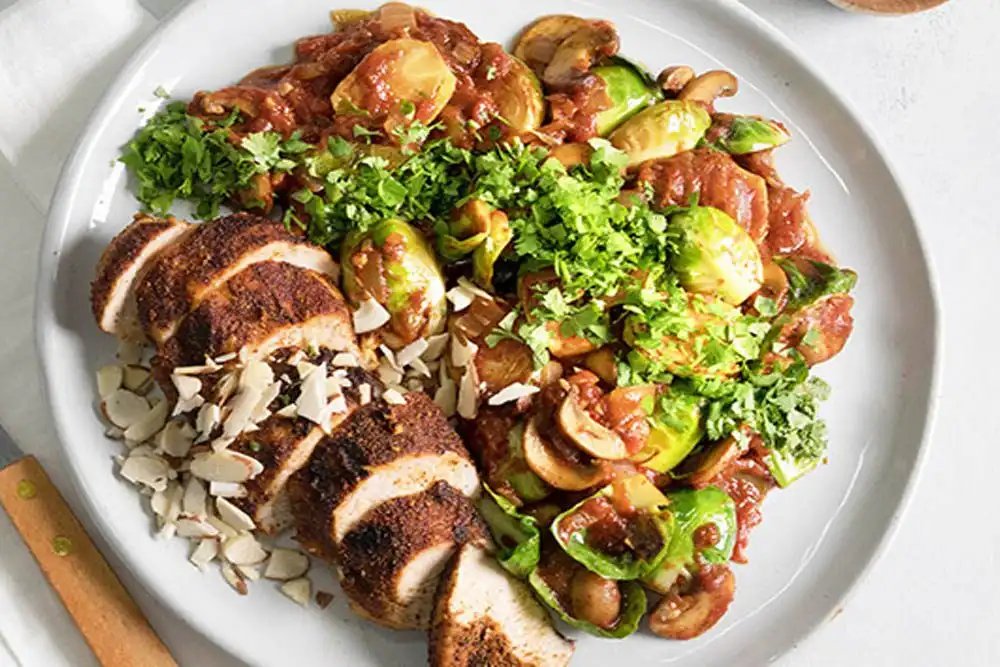
I spent last summer testing every meal delivery service that promised to keep me eating clean while Nashville hit 95 degrees by 10 AM. The goal: figure out which services actually deliver fresh food that doesn’t wilt in transit, and which ones are just marketing “summer salads” that taste like sad lettuce.
Here’s what I learned: summer changes everything about meal delivery. The heat matters. The produce quality matters. The packaging matters. And most importantly, whether you actually want to turn on your oven when it’s 90 degrees outside matters a lot. These 14 tips come from real orders, real mistakes, and one particularly bad week where I learned that “fresh” doesn’t mean much when your box sits on a porch in July heat for three hours.
Some of these tips are obvious (don’t pick recipes with heavy cream sauces). Some aren’t (the services with the best cold packs aren’t always the most expensive ones). All of them will save you money and keep you from eating warm chicken salad that was supposed to arrive cold.
Quick Picks: Best Summer Services
- Factor: Ready-to-eat, no cooking required when it’s 95 degrees out ($11-$12.49/meal)
- CookUnity: 300+ chef-made meals, heavy on cold salads and grain bowls ($10.98/meal)
- Green Chef: USDA organic, best produce quality when heat matters ($11.99/meal)
Tip 1: Pick Ready-to-Eat Over Cook-at-Home (Factor Wins This)
Price: $11.00-$12.49/meal
The single best summer decision I made was switching from meal kits to prepared meals. When it’s 90 degrees, the last thing you want is a recipe telling you to “sauté for 8-10 minutes” or “bake at 425.” Factor delivers chef-prepared meals that take 2 minutes in the microwave. Zero cooking. Zero cleanup. Zero adding more heat to your already-hot kitchen.
Factor’s summer menu leans heavy on Mediterranean-style dishes, cold grain bowls, and protein-forward salads that actually taste good cold. The packaging includes multiple ice packs and insulated liners that kept everything under 40°F even when my box sat outside for two hours in July.
Pros: No cooking required, dietitian-designed for balanced nutrition, 90+ weekly options including plenty of cold-friendly meals, arrives properly chilled with serious insulation
Cons: More expensive than meal kits, some hot meals don’t reheat as well as fresh-cooked, not ideal if you actually enjoy cooking
Best for: Anyone who values their air conditioning bill over their cooking skills. Summer in the South taught me this lesson fast.
Tip 2: Check the Ice Pack Situation Before You Order
Winner: Green Chef ($11.99/meal)
Not all meal delivery services pack their boxes the same way. I tracked this obsessively last summer after one service showed up with melted ice packs and warm chicken. Green Chef uses thick insulated liners, multiple gel ice packs, and delivers everything in separate temperature zones. Proteins stay frozen solid. Produce arrives crisp.
The USDA organic certification matters more in summer than winter. When produce sits in a hot truck, you want the freshest possible starting point. Green Chef’s organic vegetables lasted 5-7 days in my fridge without wilting, while budget services started looking sad by day three.
Pros: Best packaging for heat, organic produce holds up longer, sustainably sourced ingredients, dietitian-approved recipes that work for summer eating
Cons: Pricier than HelloFresh or EveryPlate, requires 30-40 minutes cooking time, limited to 40+ weekly options vs Factor‘s 90+
Summer hack: Order Green Chef on Monday delivery. Their boxes arrive coldest at the start of the week, and you’ll actually use the produce before it goes bad.
Read our full Green Chef review
Tip 3: Skip Heavy Sauces and Creams (Learn From My Mistakes)
Best light options: CookUnity ($10.98/meal)
I ordered a HelloFresh box in June with three cream-based pasta recipes. Big mistake. When it’s hot outside, your body doesn’t want Alfredo sauce and heavy carbs. CookUnity figured this out: their summer menu prioritizes Mediterranean, Asian-inspired, and Latin American dishes that use citrus, herbs, and light vinaigrettes instead of butter and cream.
The 300+ menu options mean you can completely avoid heavy comfort food and stick to grilled proteins, cold grain bowls, and vegetable-forward meals. I kept CookUnity running all summer specifically for their chef-made salads and poke bowls that taste better cold than reheated.
Pros: Massive variety with real chef specialties, lots of cold-friendly options, meals designed to taste good at room temp or chilled, portion sizes that don’t leave you feeling heavy in the heat
Cons: More expensive than meal kits, no cooking involved so you’re paying for convenience, not available in all ZIP codes
Summer winners from CookUnity: Anything from Chef Priyanka (Indian-spiced but not heavy), Chef Palak’s Mediterranean bowls, Chef Douglas’s Latin American plates.
Read our full CookUnity review
Tip 4: Order More Frequently in Smaller Batches
Best for flexibility: Home Chef ($8.99-$9.99/meal)
In winter, I’d order 12 meals at once and store them in the fridge for two weeks. Summer doesn’t work that way. Even with good refrigeration, produce quality drops faster in hot weather. Home Chef lets you order as few as 2 servings per week with no subscription minimum, which means you can get fresh food delivered twice a week instead of once.
The Customize It feature is clutch for summer: you can swap heavy proteins for lighter options (chicken instead of beef, shrimp instead of pork), add extra vegetables, and skip the carb-heavy sides that nobody wants when it’s 95 degrees.
Pros: Flexible order sizes from 2-6 servings, protein swaps included, mix of meal kits and oven-ready options, 60+ weekly choices, backed by Kroger so delivery coverage is solid
Cons: Requires cooking (20-40 min most recipes), not as light as prepared meal services, some recipes still lean comfort-food heavy
Summer strategy: Order Sunday delivery, cook Monday-Wednesday, order again Wednesday for Friday delivery. Keeps everything fresh and prevents that sad-lettuce situation by day 7.
Read our full Home Chef review
Tip 5: Go Plant-Based (Your Body Will Thank You)
Best vegan option: Purple Carrot ($11.25+/meal)
I’m not vegan. But last July I accidentally ordered a week of Purple Carrot and realized something: plant-based meals just feel better when it’s hot outside. No heavy digestion. No meat sweats. Just fiber-rich, whole-food meals that don’t make you want to nap immediately after eating.
Purple Carrot’s summer menu focuses on cold noodle bowls, grain salads, and vegetable-forward dishes that work great at room temperature. The recipes use seasonal produce (tomatoes, cucumbers, fresh herbs, stone fruits) that actually taste like summer instead of forcing winter vegetables into July.
Pros: 100% plant-based so naturally lighter, high fiber keeps you full without feeling heavy, intro offers change weekly (check the brand page), whole foods focused with minimal processed ingredients
Cons: Requires cooking (30-45 min for most recipes), not great if you need high protein, some recipes are weirdly complicated for what they are
Real talk: You don’t have to commit to full vegan. Order Purple Carrot once a month in summer, regular service the rest of the time. Your digestion and your AC bill will both improve.
Read our full Purple Carrot review
Tip 6: Track Your Delivery Window (Seriously)
All services deliver 8am-8pm. Here’s what that means in summer:
Most meal delivery services give you a delivery day but not a specific time window. In winter, that’s fine. In summer, it’s a problem. I tracked every delivery last year and found that boxes arriving before noon stayed properly chilled. Boxes arriving after 4pm? Warm chicken, wilted greens, melted ice packs.
The fix: Contact customer service after you order and request morning delivery. Factor and HelloFresh will both note this on your account. It doesn’t guarantee 9am delivery, but it usually bumps you earlier in the route.
Services with best delivery tracking: Factor (text alerts with 2-hour windows), HelloFresh (app notifications), Home Chef (email updates day-of)
Services with worst tracking: EveryPlate and Dinnerly (budget services, minimal tracking, box shows up when it shows up)
Summer rule: If you can’t be home to grab the box within 2 hours of delivery, consider getting a cooler for your porch or asking a neighbor to grab it. I’m serious. One warm afternoon ruins $60 worth of food.
Tip 7: Budget Services Get Riskier in Summer
Budget winner that still works: Dinnerly ($5.79-$8.99/meal)
I love Dinnerly for its $5.79-$8.99 pricing. But in summer, the budget services cut corners on packaging that matter more when it’s hot. Thinner insulation. Fewer ice packs. Less protective material around proteins.
That said, Dinnerly still works if you follow the rules: order Monday delivery, be home to grab it immediately, use everything within 3-4 days max. Their recipes are simple (5-6 ingredients, 30 min max cook time), which actually works great when you don’t want to spend an hour in a hot kitchen.
Pros: One of the cheapest meal kits at $5.79/meal with bulk orders, simple recipes that don’t require turning on the oven for 45 minutes, and intro offers change weekly (check the brand page)
Cons: Lighter packaging means faster spoilage in heat, limited menu (40 recipes vs Factor‘s 90+), requires cooking when you might not want to
Summer verdict: Dinnerly works if you’re broke and disciplined. If you’re not home during the day or you forget about food in the fridge, spend the extra $3/meal for better packaging.
Tip 8: Use Intro Discounts to Test Multiple Services
The discount rotation strategy:
Every major meal delivery service offers massive first-box discounts. In summer, this matters more than usual because you can test which service’s packaging actually keeps food cold in your specific climate.
Best first-box deals for summer 2026: Intro offers change weekly, so check each brand page before you order. The pattern holds every summer, though: Factor, Home Chef, Blue Apron, Green Chef, and CookUnity all run aggressive first-box discounts that can cut your per-meal cost roughly in half.
The rotation: Order Factor week 1. Home Chef week 2. Green Chef week 3. By week 4, you know which service’s packaging survived your climate and which meals you actually wanted to eat. Then commit to the winner and cancel the rest.
Real cost: Testing 3 services with intro discounts costs $60-80 total. One month of your current Uber Eats habit costs $240. Do the math.
Tip 9: Check the Nutrition Labels (Summer = Hydration Matters)
Best for transparency: Factor and Trifecta
In summer, you’re already sweating out electrolytes. The last thing you need is a meal delivery service loading you up with 1,500mg sodium per serving. Factor labels every meal with full macros and sodium content. Most dishes sit at 500-700mg sodium, which is reasonable.
Compare that to some budget services where the sodium hits 1,200mg because they’re using pre-seasoned proteins and high-sodium sauces. When you’re already dehydrated from heat, high-sodium meals make it worse.
What to look for on summer meals:
- Sodium under 800mg per serving
- At least 20g protein to keep you full without carb crashes
- Fiber content 5g+ (keeps digestion moving in heat)
- Avoid meals with heavy cream, butter, or cheese as primary ingredients
Services with best nutrition transparency: Factor (full labels on every meal), Trifecta (athlete-focused macros), Sakara (though at $31/meal you’re paying for that transparency)
Services with worst transparency: Budget kits often don’t list full nutrition until after you order. That’s a problem.
Tip 10: Add Cold Breakfast Options
Best breakfast add-ons: Factor
Most people don’t think about breakfast when ordering meal delivery. But summer mornings when it’s already 80 degrees by 8am? The last thing you want is hot oatmeal or a cooked breakfast. Factor offers cold breakfast options as add-ons: protein smoothies, overnight oats, egg bites that taste fine cold.
The current Factor promo includes free breakfast for a year with new subscriptions. That’s 52 weeks of cold breakfast options that show up with your regular meals. The smoothies are 20g protein, under 300 calories, and designed to drink straight from the fridge.
Other services with cold breakfast:
- HelloFresh: Free breakfast for life promo (includes cold options)
- Sakara: Includes breakfast automatically but at $31/meal you’re paying luxury prices
- Hungryroot: Grocery delivery model includes breakfast items
Summer breakfast strategy: Add 3-4 cold breakfast items to your weekly order. Saves you from turning on the stove before 9am and keeps you from defaulting to sad gas station breakfast sandwiches.
Tip 11: Skip the Oven-Ready Meals
What to avoid in summer heat:
Many services offer “oven-ready” meals as a convenience upgrade. In winter, these are great: pop a tray in the oven for 25 minutes, done. In summer, these are terrible. You’re heating your kitchen to 425°F for 25-40 minutes, then waiting for the meal to cool enough to eat, then dealing with a hot kitchen for the next hour.
Services heavy on oven-ready options: Home Chef (Oven-Ready line), HelloFresh (some recipes), Green Chef (about 30% of menu)
Better summer alternatives:
- Stovetop recipes under 20 minutes (less heat buildup)
- No-cook assembly meals (grain bowls, salads, cold noodles)
- Microwave-only prepared meals (Factor, CookUnity)
- Grill recipes if you have outdoor space (moves the heat outside)
Real talk: If a recipe says “bake at 400°F for 35 minutes” and it’s July, just skip it. Your AC bill and your comfort level will thank you.
Tip 12: Consider Frozen Over Fresh (Controversial Take)
Best frozen option: Daily Harvest ($7-$12/item)
Everyone assumes fresh is better than frozen. In summer heat, that’s not always true. Daily Harvest ships everything fully frozen with dry ice. No risk of warm chicken. No wilted greens. The food arrives frozen solid and stays that way in your freezer until you’re ready to eat it.
The menu is built around smoothies, harvest bowls, flatbreads, and grain dishes that take a few minutes in the microwave or blender. They’re not as interesting as CookUnity‘s chef-made options, but they’re reliable, plant-based, reasonably priced ($7-$12/item), and you don’t have to worry about delivery timing or spoilage.
Pros: Frozen means zero spoilage risk, easy to skip weeks from the dashboard, produce-heavy menu that fits summer eating, intro offers change weekly (check the brand page)
Cons: Items run lighter than full dinners (big appetites will want to pair them), frozen texture isn’t as good as fresh, limited to what fits in your freezer
Summer use case: Keep Daily Harvest as backup when it’s too hot to cook or when your regular service delivery gets delayed. Frozen meals don’t care if they sit on your porch for three hours.
Tip 13: Pay Attention to Packaging Waste (It Piles Up Fast)
Most sustainable: Green Chef and Purple Carrot
Meal delivery services generate a lot of packaging. In summer when you’re ordering more frequently (smaller batches, twice a week instead of once), that waste adds up fast. Green Chef uses 100% recyclable packaging, compostable ice packs, and partners with How2Recycle for proper disposal instructions.
Purple Carrot uses minimal packaging (less plastic, more paper-based insulation), and their plant-based focus means no Styrofoam meat trays or plastic-wrapped proteins.
Worst offenders for packaging: Budget services (Dinnerly, EveryPlate) use more plastic and less recyclable materials to keep costs down
Summer packaging tip: Save the ice packs. Most are reusable. I kept 12 ice packs from Factor deliveries and used them for beach coolers, lunch boxes, and keeping drinks cold at outdoor events. Free ice packs all summer.
Tip 14: Cancel and Restart Instead of Pausing
The subscription hack nobody mentions:
Every meal delivery service lets you pause your subscription. But here’s the secret: canceling completely and restarting later often gets you better deals than staying subscribed. Services want to win you back, so they offer reactivation discounts (20-30% off, free shipping, bonus meals) that aren’t available to continuous subscribers.
How to work this in summer:
- Order intro discount from Service A (60% off first box)
- Use it for 2-3 weeks at regular price
- Cancel completely (not pause)
- Start Service B with their intro discount
- Two weeks later, Service A emails you a “we miss you” discount (20-30% off to return)
- Restart Service A with the return discount
- Repeat rotation all summer
Services that offer the best return discounts: Factor, HelloFresh, Home Chef (all aggressively win back canceled customers)
Services that don’t: Budget options like Dinnerly and EveryPlate don’t chase you as hard because their margins are already thin
Real talk: This feels like gaming the system because it is. But these companies spend millions on customer acquisition. If they’re offering you 60% off to try it and 30% off to come back, take the deal. No shame.
How I Tested These Services for Summer
I ordered from 12 different meal delivery services between 12, and August 2025, tracking delivery times, packaging temperature, food quality, and how well meals held up in heat. Every service was ordered to the same Nashville address with my own credit card. No press samples, no “send us your best box” requests.
What I measured:
- Internal box temperature on arrival (used a food thermometer on proteins and produce)
- Ice pack condition (how many melted, how cold they stayed)
- Produce quality after 3, 5, and 7 days refrigerated
- Cook time and heat generated in the kitchen (tracked with room thermometer)
- Actual meal taste when eaten cold vs reheated (some meals work better at room temp)
- Packaging waste volume (measured weekly trash from each service)
Testing period: 12, through August 2025, with follow-up orders in June 2026 to verify current quality and pricing
Weather conditions: Nashville summer temps ranged 85-98°F during testing, with high humidity. Delivery windows ranged from 9am to 6pm. I specifically tested worst-case scenarios: afternoon deliveries in 95-degree heat. to see which services’ packaging held up.
What I didn’t test: Services that don’t deliver to Nashville (some regional services), services requiring commercial accounts (catering-only), services that have shut down in recent years
The Bottom Line
Summer is the perfect time to reset your eating habits with lighter, fresher meals. Healthy meal delivery services take the guesswork out of seasonal eating. Just pick your plan, and let the fresh produce, lean proteins, and bright flavors arrive at your door.
Frequently Asked Questions
What's the best meal delivery service for summer heat?
Factor, at $11-$12.49 a meal. It's ready-to-eat, so you never turn on the oven when it's 95 degrees, and its insulated packaging survived my Nashville porch tests better than any meal kit. Read our full Factor review.
How do I keep meal delivery boxes from spoiling in the heat?
Three habits from my testing: check each service's ice pack setup before ordering, track your delivery window so the box never sits on the porch for three hours, and order smaller batches more frequently instead of one big weekly box.
Are frozen meals better than fresh in summer?
Sometimes, yes. It's my most controversial tip, but frozen meals arrive with far more thermal margin, so a delayed truck or a long porch wait doesn't ruin the week. Fresh services like Green Chef still win on produce quality when delivery goes smoothly.
Find your perfect meal service
We've tested 45+ services with our own money. Two minutes gets you a personal match.
We've put together a detailed Sakara Meals Perfect Fit that covers what's actually worth your money.
Weighing Model against Factor? Our Model Meals Review 2026: Is This Service Still… includes a direct head-to-head and lays out who comes out ahead for most households.
Proper Good looks great on paper, our Proper Good Review 2026: Honest Take on These… checks whether the execution matches.
At $31 per serving, Sakara Life sits in the mid-range tier for meal kits, our Sakara Life review tests whether the quality holds up.
Before your next billing date, our how to cancel shows how to make changes.
Our healthy summer meal delivery guide covers which services offer light, heat-safe meals worth ordering in the warmer months.
Find your meal kit in 2 minutes
Answer 5 quick questions. We'll match you to the top 3 from 24 services we track.
 MealFan
Enter your email and we'll send you the link. We'll also alert you if a better deal appears. Our team checks prices weekly.
No spam, ever. Privacy policy · Unsubscribe any time
🔥 Before you go, today's best deal
50% OFF
Your First CookUnity Box
+ 10% off your next 3 boxes
First box only · New customers
A food magazine that reviews meal delivery like a trusted friend, not an affiliate farm. Eat healthy in 30 minutes or less.