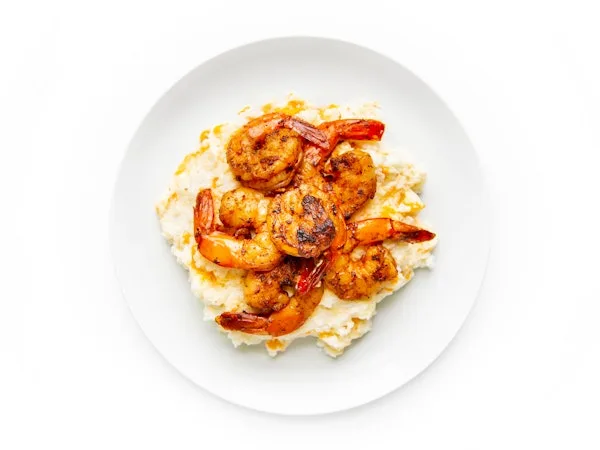
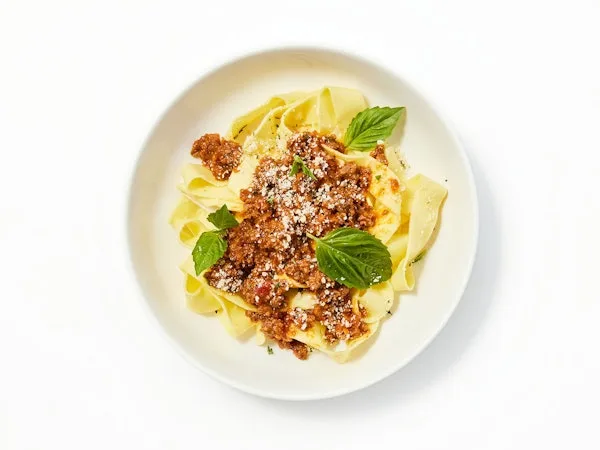
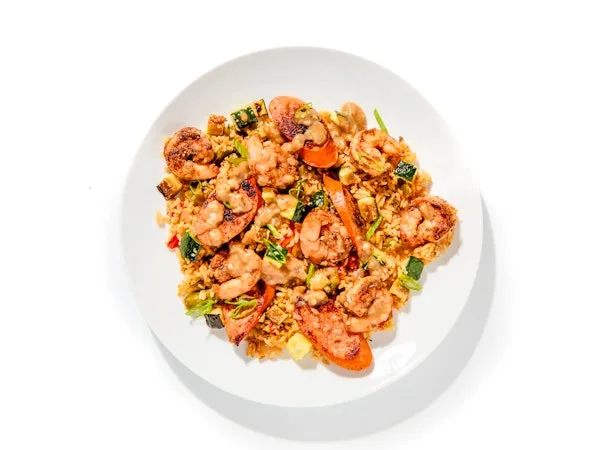
Real CookUnity chef dishes (each rated 4.4★+ by thousands of members).
CookUnity vs Hungryroot (2026): Which Is Better?
Ratings Scorecard
| Category | CookUnity | Hungryroot |
|---|---|---|
| Overall | 9.2 | 7.8 |
| Meal variety | 9.5 | 7.0 |
| Taste and chef quality | 9.3 | 7.5 |
| Convenience | 9.0 | 8.0 |
| Dietary range | 9.2 | 8.8 |
| Value | 8.7 | 8.5 |
The Core Difference
These two services solve the dinner problem in fundamentally different ways. CookUnity is a fully cooked, heat and eat service. Every meal is prepared by a professional chef before it ships. You choose from more than 300 options, they arrive ready, and you reheat in about 3 to 5 minutes in the microwave or roughly 10 in the oven. There is no prep, no knife work, no cleanup beyond rinsing a tray.
Hungryroot is a hybrid that sits somewhere between a meal kit and a personalized grocery service. At signup you complete a detailed quiz covering your dietary needs, health goals, household size, and flavor preferences. The algorithm builds a weekly cart of groceries and simple recipes tailored to your answers. Most meals come together in 10 to 15 minutes and use just a handful of ingredients. The trade off is that you are still cooking, even if it is quick. That gap in cooking effort is the clearest reason to choose one over the other.
Reader reviews
What readers say about CookUnity
Unpaid reviews from readers, published as written.
Liked the shipping bag..arrived promptly and still frozen..liked that extra meals could be kept frozen for later..liked the food container, pic & labeling..meals were very good & tasty but may have liked some from Factor a bit more...
CookUnity Deep Dive
CookUnity's biggest edge is the combination of real chef credentials and a genuinely massive rotating menu. More than 180 professional chefs contribute to the catalog, many with serious restaurant backgrounds, and the result is food that actually tastes like it came from somewhere intentional. In a typical week there are more than 200 meals available, spanning global cuisines, protein types, and dietary profiles. You can filter by more than 20 criteria and stack them, so a diner who is simultaneously high protein, dairy free, and gluten free does not end up with two choices and a shrug.
Pricing runs from about 11 to 13.49 dollars per meal depending on how many you order each week. There is a flat delivery fee per box, no equipment cost, and no membership fee beyond your meal plan. Our team gave CookUnity a 9.2 out of 10, the highest score we have awarded in the chef prepared category, driven primarily by food quality and menu depth.
See the current CookUnity deal →
Hungryroot Deep Dive
Hungryroot's strongest suit is how well it learns what you actually want. The onboarding quiz goes beyond dietary checkboxes and asks about health goals, cooking confidence, allergies, flavor preferences, and family size. The algorithm then auto fills your weekly cart with groceries and recipes that fit the profile, cutting the decision overhead that makes many meal subscriptions feel like homework. You can always browse the full catalog and make swaps before the cutoff, but the auto curation is the thing that keeps members around.
The recipes themselves are designed to be genuinely fast, usually three to five ingredients with steps that involve little more than tossing, mixing, or quick pan cooking. Beyond dinners, the catalog covers proteins, grains, sauces, snacks, and pantry staples, so Hungryroot can replace a portion of your regular grocery run rather than sitting alongside it. The limitation is that the service is still fundamentally about cooking, even simplified cooking, and the variety within any given food category is narrower than CookUnity's chef driven roster. We rated Hungryroot 7.8 out of 10.
Pricing Comparison
| What you pay | CookUnity | Hungryroot |
|---|---|---|
| Per serving | About $11 to $13.49 | About $8.99 to $10.99 |
| Delivery fee | Flat fee per order | Varies by plan; often $6.99 to $10.99 |
| Cooking required | None and heat and eat in 3 to 5 minutes | Yes and typically 10 to 15 minutes of light prep |
| Menu / catalog size | 300+ chef crafted meals (200+ per week) | 100+ grocery items and recipes; varies weekly |
Who Each Is Best For
Choose CookUnity if you want dinner genuinely handled with no cooking involved, you care about restaurant quality food and named chef credentials, and you want a menu deep enough that you never cycle through the same ten dishes in a month. It fits busy professionals, people who dislike cooking, solo eaters, and anyone who wants maximum variety with minimum effort.
Choose Hungryroot if you enjoy quick light cooking, want a grocery subscription that learns your preferences and auto fills your cart, and value the flexibility of having pantry staples, proteins, and snacks alongside your weekly recipes. It works well for health focused eaters who want a smarter grocery experience and do not mind spending 10 to 15 minutes putting a meal together.
Ingredient Quality and Freshness
Hungryroot is transparent about ingredients in a way that resonates with health focused shoppers. The catalog prioritizes items without artificial additives, excessive sugar, or highly processed components, and the labeling makes it easy to see what you are eating. CookUnity gives its chefs latitude to source and build dishes at their discretion, so quality is consistently high but the emphasis is on the final dish rather than the ingredient label. Both services clear the bar comfortably compared to most restaurant delivery, but if reading the ingredient list matters to you as much as the meal itself, Hungryroot gives you more control and visibility at the grocery level.
Packaging, Delivery, and Flexibility
CookUnity ships meals in individual recyclable trays inside an insulated box with ice packs that handle a standard delay without issue. Hungryroot uses a standard cold shipment box designed for refrigerated grocery items. Both ship to the contiguous United States, both allow you to skip, pause, or cancel before a weekly cutoff, and both operate on a subscription model with no long term contract. CookUnity's delivery fee is a single flat charge per box regardless of how many meals you order; Hungryroot's delivery cost varies by plan tier. One practical difference: CookUnity's meals are ready the minute you open the fridge. Hungryroot's grocery order still needs to be cooked before it becomes dinner.
Long Term Value
Hungryroot's per serving price advantage is real and compounds over time if you are ordering several meals a week. At 8.99 to 10.99 dollars per serving compared to CookUnity's 11 to 13.49, a household ordering five meals a week saves roughly 10 to 25 dollars per week with Hungryroot before delivery costs. But the comparison has to account for what each service actually delivers. CookUnity is a finished restaurant meal from a trained chef. Hungryroot is a set of grocery components you cook yourself. If you factor in the value of the 10 to 15 minutes per night you spend cooking with Hungryroot, the gap narrows. For households that enjoy light cooking and prioritize budget, Hungryroot has real appeal. For people who want zero effort and maximum food quality, CookUnity earns its price.
Frequently Asked Questions
Is CookUnity or Hungryroot better for weight loss?
Both can support weight loss. CookUnity lets you filter by calorie count and offers a deep high protein and keto catalog, with full macros labeled on every meal. Hungryroot's onboarding quiz captures your health goals and surfaces lighter, cleaner options throughout your cart. If you want zero cooking and precise macro control, CookUnity has the edge. If you prefer a personalized grocery ecosystem that gradually adapts to a health goal, Hungryroot is the more flexible long term system.
Do you have to cook with Hungryroot?
Yes, most Hungryroot orders involve light assembly or cooking, typically 10 to 15 minutes per meal. Some ready to eat items like dips, snack bars, and pre made hummus need no prep, but the recipes that anchor most weekly orders require combining and heating ingredients. CookUnity is different: every meal arrives fully cooked and needs only 3 to 5 minutes in the microwave.
How do the prices compare?
Hungryroot generally runs about 8.99 to 10.99 dollars per serving depending on your plan size. CookUnity runs about 11 to 13.49 dollars per meal plus a flat delivery fee per order. Hungryroot is lower on a per serving basis, but CookUnity delivers fully finished, chef prepared meals rather than grocery items and recipes you assemble yourself.
Which has better dietary support?
CookUnity offers more than 20 stackable dietary filters across 300-plus meals, so someone who is keto and gluten free can still find a full weekly menu. Hungryroot's personalization quiz tailors your entire cart to your dietary profile and health goals, which works well but is broader rather than filter precise. For ready to eat food with stacked restrictions, CookUnity wins. For a whole grocery cart built around a health goal with some flexibility, Hungryroot is stronger.
Explore More on MealFan
See the best CookUnity meals, ranked by real macros from our database.
CookUnity is our pick in this comparison. Best current deal below.
 Blackened Salmon Caesar · by Chase Evans
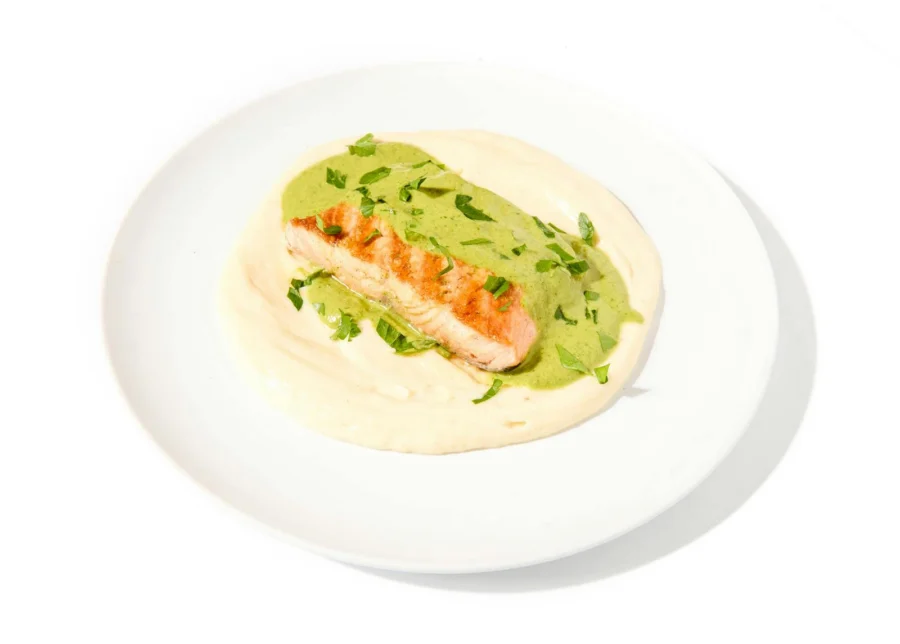 Salmon with Salsa Verde · by Jonny Giordani
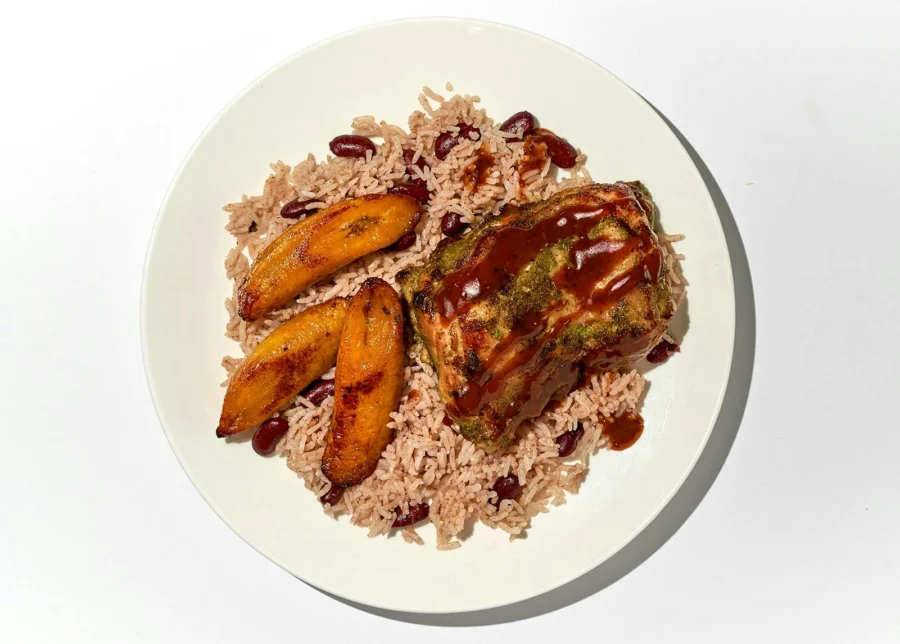 Jerk Chicken and Plantains · by Aarthi Sampath
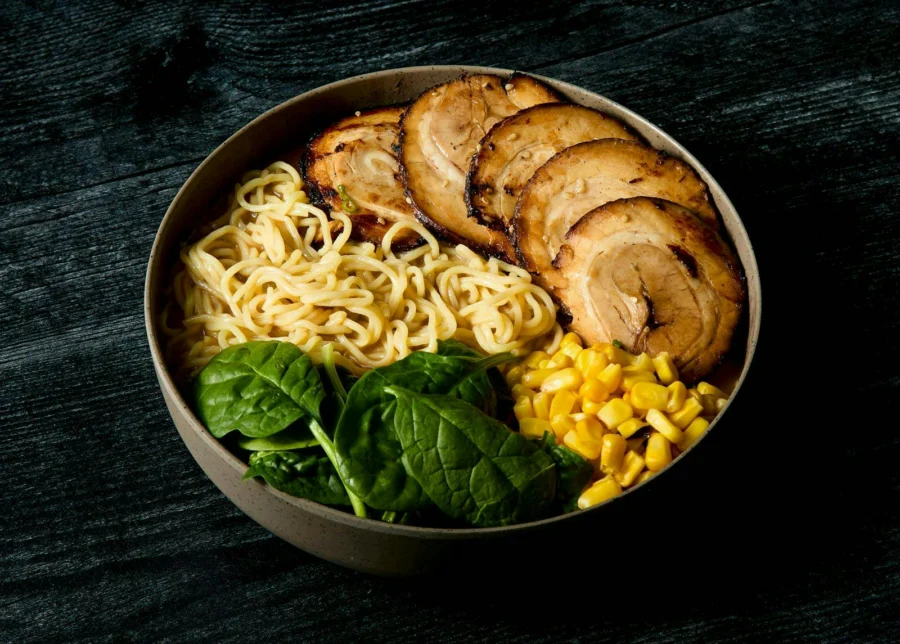 Tonkotsu Ramen and Pork Belly
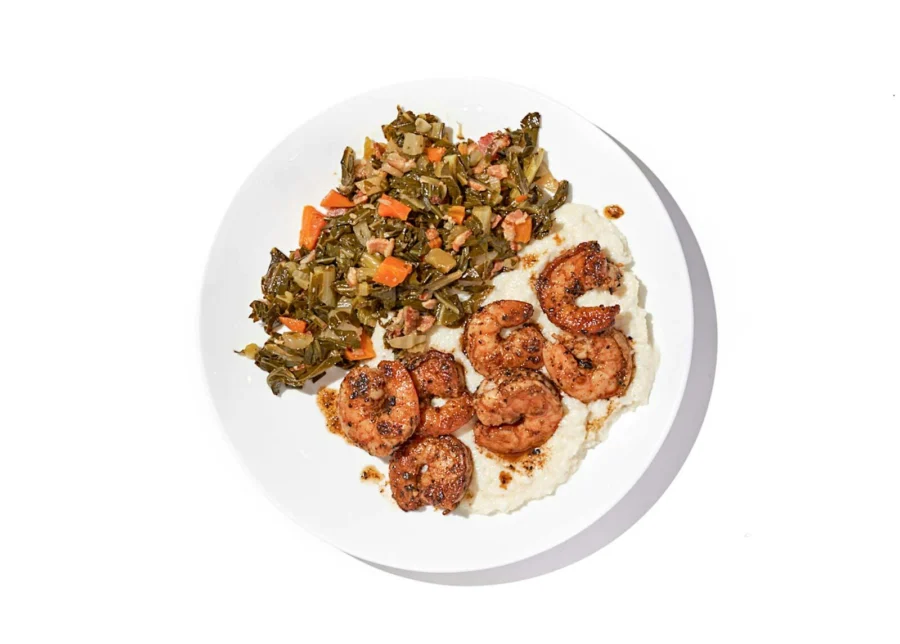 Shrimp with Grits and Collards · by Chris Ratel
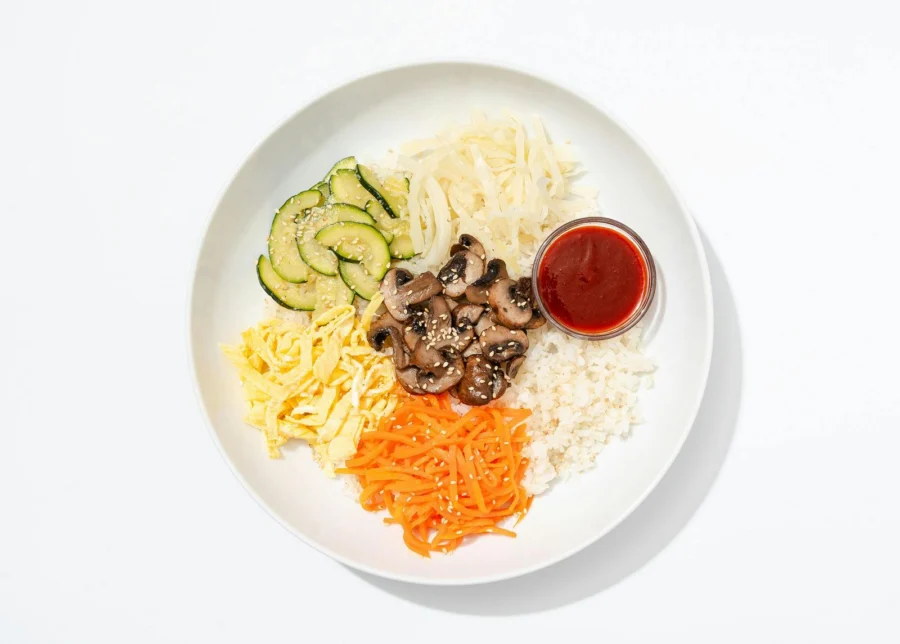 Korean Bibimbap Bowl · by Kate Noh
50% off
Editor's Choice · #1 Meal Delivery Service 2026
Get 50% off your first CookUnity box
CookUnity is our number one pick for 2026: 9.2/10 after hands on testing, with 1,100+ of its meals tracked in our database. Through our link the discount applies automatically. 50% off box 1, then 10% off boxes 2 and 3. Six meals come to about $42 your first week, roughly $7 a plate instead of $14.
12 of 13 MealFan readers who tried it ordered again. Skip a week or cancel anytime.
Get 50% off at CookUnity →
No code needed. Want the current code by email instead? Get it here
Korean Bibimbap Bowl · by Kate Noh
50% off
Editor's Choice · #1 Meal Delivery Service 2026
Get 50% off your first CookUnity box
CookUnity is our number one pick for 2026: 9.2/10 after hands on testing, with 1,100+ of its meals tracked in our database. Through our link the discount applies automatically. 50% off box 1, then 10% off boxes 2 and 3. Six meals come to about $42 your first week, roughly $7 a plate instead of $14.
12 of 13 MealFan readers who tried it ordered again. Skip a week or cancel anytime.
Get 50% off at CookUnity →
No code needed. Want the current code by email instead? Get it here
Find your meal service match
Answer 30 questions about how you eat. We'll rank your top 3 from 24 services we track.
Used either of these? Tap your honest rating.
One tap, no signup. Your rating joins that brand's reader score.
Popular comparisons
Compare across all our rankings
- Best Meal Delivery Services of 2026: our master ranking of the top 10 services in the United States.
- Best High Protein Meal Delivery: ranked for athletes, weight management, and GLP 1 friendly meals.
- Best Diabetic Meal Delivery: ranked for Type 2 diabetes, pre diabetes, and insulin support.
- Best GLP 1 Meal Delivery: ranked for Ozempic, Wegovy, Mounjaro, and Zepbound users.