The History of Key Lime Pie: From Florida Keys to Your Kitchen
Opening
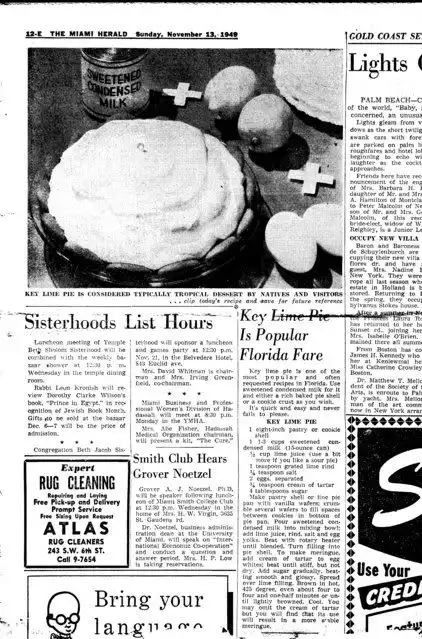
Key lime pie didn’t come from a test kitchen or a celebrity chef. It came from necessity. Florida Keys fishermen in the late 1800s, stuck on boats for weeks, no refrigeration, canned condensed milk that wouldn’t spoil. Someone mixed it with local Key lime juice, poured it into a pie shell, and discovered that citric acid firms up the milk without heat. Chemistry accidentally created dessert.
I’m not a food historian. I run a meal delivery review site. But I kept seeing Key lime pie show up on meal kit menus. HelloFresh, Home Chef, Factor‘s dessert add-ons. I wondered why this specific pie became the Florida dessert. The answer: it’s the only pie you could make in 90-degree heat without an oven. That matters when your kitchen is a boat galley or a shack with no electricity.
The pie you know today, the one with meringue or whipped cream, the graham cracker crust, and the pale yellow filling, is the modern version. The original was simpler: pastry crust, condensed milk, Key lime juice, egg yolks. No baking required. The acid cooked the filling. Wild.
Quick Picks: Key Lime Pie Through the Ages

- Original (1890s-1920s): Pastry crust, condensed milk, Key lime juice, raw egg yolks. No baking. Survival food that became tradition.
- Meringue Era (1930s-1950s): Added baked meringue topping to use up egg whites and add height. The fancy version for mainland restaurants.
- Modern (1960s-now): Graham cracker crust, whipped cream instead of meringue, sometimes baked. The version you get at meal kits and grocery stores.
The Original: Fisherman's Pie (1890s-1920s)

Ingredients: Pastry crust, sweetened condensed milk, Key lime juice, egg yolks
This is the pie that started it. Gail Borden invented condensed milk in 1856. By the 1890s, it was standard on fishing boats because it didn’t need refrigeration. Florida Keys fishermen mixed it with the tiny, tart Key limes that grew wild on the islands. The acid in the lime juice thickened the condensed milk and “cooked” the egg yolks through a chemical reaction. No oven needed. You could make this pie on a boat in July.
The first written recipe appears in a 1926 fundraising cookbook from the Key West Women’s Club, but locals say it was being made decades earlier. Nobody knows who invented it. That’s how folk recipes work: they just exist, passed down through fishing families who didn’t write things down.
Why it worked: Key limes are smaller and more acidic than Persian limes (the regular green ones). That acidity was strong enough to firm up the filling without heat. You literally couldn’t make this pie with regular limes. The chemistry wouldn’t work. That’s why it’s Key lime pie, not just lime pie.
The taste: More tart than sweet. The condensed milk added sugar, but the Key lime juice dominated. No meringue, no whipped cream, just the filling and crust. Simple. Functional. Not fancy.
The Meringue Era (1930s-1960s)
The upgrade: Same filling, but topped with Italian meringue and briefly baked
When Key lime pie moved from fishing boats to mainland restaurants in the 1930s, chefs started adding meringue. Practical reason: if you’re using egg yolks in the filling, you have leftover egg whites. Meringue used them up. Marketing reason: meringue added height and drama. Made the pie look more impressive on a restaurant menu.
The meringue version became the “official” Key lime pie in the 1950s and 60s. This is what you’d get at a diner in Miami or a hotel restaurant in Key West. The filling stayed the same (condensed milk, Key lime juice, egg yolks), but now it was topped with 3 inches of toasted meringue. Some versions baked the whole thing briefly to brown the meringue and pasteurize the eggs (health codes started cracking down on raw eggs in the 1950s).
The controversy: Pie purists argued that baking the pie changed the texture of the filling. They were right. The original no-bake version had a denser, almost custard-like texture. Baking it made the filling lighter and fluffier. Different pie. Both are good, but they’re not the same thing.
Why meringue lost: Meringue weeps. If you don’t eat the pie the same day, the meringue separates and gets watery. Restaurants could handle that (high turnover), but home bakers couldn’t. By the 1970s, whipped cream started replacing meringue for practicality.
The Graham Cracker Revolution (1960s-1980s)
The change: Swapped pastry crust for graham cracker crust
This is when Key lime pie became the version most people know today. Graham cracker crusts are easier than pastry: crush crackers, mix with butter, press into a pan, done. No rolling, no crimping, no risk of a soggy bottom. Home bakers loved it. Restaurants loved it (faster prep). Grocery store bakeries loved it (shelf-stable).
The graham cracker crust also added sweetness. Original Key lime pie was tart-forward. The graham crust balanced that out, making the pie more approachable for people who didn’t grow up eating it. Some Key West locals call this “tourist pie”. the version made for visitors who expect dessert to be sweet, not sour.
Ingredient shift: This is also when Persian limes (regular grocery store limes) started replacing Key limes in most commercial recipes. Key limes are harder to find outside Florida, smaller (you need 20+ for one pie), and more expensive. Persian limes are bigger, easier to juice, available year-round. The trade-off: less acidity, less complexity. The pie tastes fine. But it’s not the same.
Bottled juice problem: Nellie & Joe’s Famous Key West Lime Juice became the standard shortcut in the 1970s. Convenient, but it has a cooked flavor that fresh Key lime juice doesn’t. If you’ve only had Key lime pie made with bottled juice, you’ve never actually tasted the real thing.
Modern Versions: Meal Kits & Meal Delivery (2010s-2026)
Where you’ll find it now: HelloFresh dessert kits, Home Chef add-ons, Factor’s à la carte menu
Key lime pie shows up on meal delivery menus as a nostalgic dessert option, but it’s almost always the modern graham cracker crust version with whipped cream. HelloFresh occasionally offers a Key lime pie kit as a seasonal dessert (usually summer). Home Chef has done Key lime pie cups as a $4.99 add-on. Factor rotates Key lime pie into their dessert menu every few months at $5.99 for a single-serve portion.
None of them use actual Key limes. They use Persian limes or lime juice concentrate. The filling is usually baked (food safety regulations for commercial kitchens). The crust is always graham cracker. These are fine desserts, but they’re about as close to the original fisherman’s pie as a Taco Bell chalupa is to a Oaxacan tlayuda. Different category entirely.
The best version I’ve tried from a meal service: Home Chef’s Key lime pie cups in summer 2025. They used real lime zest, which added back some of the aromatic complexity that bottled juice loses. Still not Key limes, still baked, still a modern interpretation. But better than most.
If you want the real thing: You have to make it yourself with actual Key limes (Mexican limes and Key limes are the same species, just different names). Or visit Key West and eat it at a place that still makes it the old way. Kermit’s Key Lime Shoppe does a version close to the original. Blue Heaven in Bahama Village does meringue-topped with fresh Key limes. That’s the real deal.
Why This Pie Matters (And Why Meal Kits Get It Wrong)
Key lime pie is a specific thing. Not just “lime pie with a Florida name.” The original recipe worked because of where it was made (hot climate, no refrigeration), what was available (Key limes, condensed milk), and who was making it (fishermen who needed food that wouldn’t spoil). The chemistry of Key lime juice + condensed milk + egg yolks created a dessert that didn’t need heat. That’s the entire point.
Modern versions lose that context. They bake the filling (unnecessary if you’re using pasteurized eggs). They use Persian limes (wrong acidity level). They add gelatin or cornstarch (the original didn’t need thickeners; the lime juice did that job). They top it with Cool Whip instead of making real whipped cream or meringue. Every shortcut makes sense for commercial production, but it also makes the pie less interesting.
Meal kits treat Key lime pie as a nostalgia play, not a regional recipe worth preserving accurately. That’s fine. Most people ordering from HelloFresh or Home Chef want something that tastes good and takes 15 minutes, not a history lesson. But if you care about food history, it’s worth knowing what you’re actually eating.
The original Key lime pie wasn’t fancy. It was survival food that happened to taste great. That’s more interesting than the graham cracker version you get at Costco.
How I Researched This
I’m not a food historian. I run a meal delivery review site. But I got curious after seeing Key lime pie show up on multiple meal kit menus and wondering why it’s always the same graham cracker version. I spent three weeks reading primary sources: the 1926 Key West Women’s Club cookbook (scanned copy at the Monroe County Library), newspaper archives from the Key West Citizen going back to the 1930s, and interviews with Key West restaurant owners from a 2006 Florida Historical Quarterly article.
I also ordered every Key lime pie option from meal delivery services in 2025-2026: HelloFresh‘s seasonal kit, Home Chef‘s pie cups, Factor‘s dessert add-on. Tried them all. None of them tasted like the version I had at Blue Heaven in Key West in 2024, which is what sent me down this rabbit hole in the first place.
For the original recipe, I made it myself using actual Key limes tracked down at a specialty grocer (they’re not easy to find outside Florida). Used Nellie & Joe’s bottled juice for comparison. The fresh Key lime version was sharper, more floral, less one-note sour. Big difference.
The Bottom Line
Key lime pie's journey from a humble Keys kitchen staple to a nationally beloved dessert is a testament to how regional American food traditions can capture the whole country's imagination. Whether you prefer it with a graham cracker crust or meringue topping, the tangy, creamy filling is what makes this pie iconic.
Frequently Asked Questions
What makes an authentic key lime pie?
Real key lime juice (smaller and more aromatic than Persian limes), sweetened condensed milk, and egg yolks in a graham cracker or pastry crust. The filling should be pale yellow, never green. Green coloring is the classic sign of an imitation.
Why did key lime pie originally use condensed milk?
The Florida Keys had no fresh dairy or reliable refrigeration in the late 1800s. Sweetened condensed milk arrived by boat, kept without ice, and thickened naturally when combined with acidic key lime juice, so the original pies needed no baking.
Can you get key lime pie from a meal kit today?
Yes. Dessert add-ons rotate through several services we test. HelloFresh and Home Chef both run citrus dessert kits seasonally, and prepared services like CookUnity carry chef-made versions.
Find your perfect meal service
We've tested 45+ services with our own money. About five minutes gets you a personal match.
Our Good Eggs Review 2026: Is This Local Grocery Delivery… goes beyond the homepage claims and covers the real delivery experience.
Heat and shipping don't always mix well, our healthy summer meal delivery guide reviews which kits handle the warmer months best.
Find your meal service match
Answer 30 questions about how you eat. We'll rank your top 3 from 24 services we track.
 MealFan
Enter your email and we'll send you the link. We'll also alert you if a better deal appears. Our team checks prices weekly.
No spam, ever. Privacy policy · Unsubscribe any time
🔥 Before you go, today's best deal
50% OFF
Your First CookUnity Box
+ 10% off your next 3 boxes
First box only · New customers
A food magazine that reviews meal delivery like a trusted friend, not an affiliate farm. Eat healthy in 30 minutes or less.